Where to Stay in Denver: Neighborhood Picks for a City Weekend or a Mountain Start
Choose where to stay in Denver based on your real plans: Union Station for transit access, RiNo for brewery density, or Cherry Creek for polished comfort, not mountain views.
Where to Stay in Denver Starts With One Honest Fact
The single most useful fact about where to stay in Denver is this: that postcard skyline with the Front Range rising behind it is a 40-minute drive from any trailhead. Denver sits on the high plains at 5,280 feet, semi-arid and flat. A hotel room with a so-called mountain view delivers a view of a range you cannot walk to. Your morning plan determines your neighborhood, not the brochure copy. If you want to be on a trail by 7:00 AM, you need a different base than if you want to be at a brewery tasting flight by 7:00 PM. The failure mode of booking a downtown hotel and assuming the mountains are at your doorstep is a wasted morning in a rideshare queue on I-70.
Denver is a sprawling, car-dependent grid with pockets of excellent walkability. The creative energy of a young, active population bumps against visible urban challenges, particularly around Union Station and the 16th Street Mall. Altitude sickness hits harder than expected, making a casual beer feel like two and turning a short walk into a breathless affair. Pack water, not another IPA, for day one. The city rewards travellers who pick a neighborhood and commit to it rather than trying to cover the entire metro area from a single central point.
Getting here without a car works, as long as you plan around the one useful train. Choose based on your tolerance for rideshare bills and your actual morning plans.
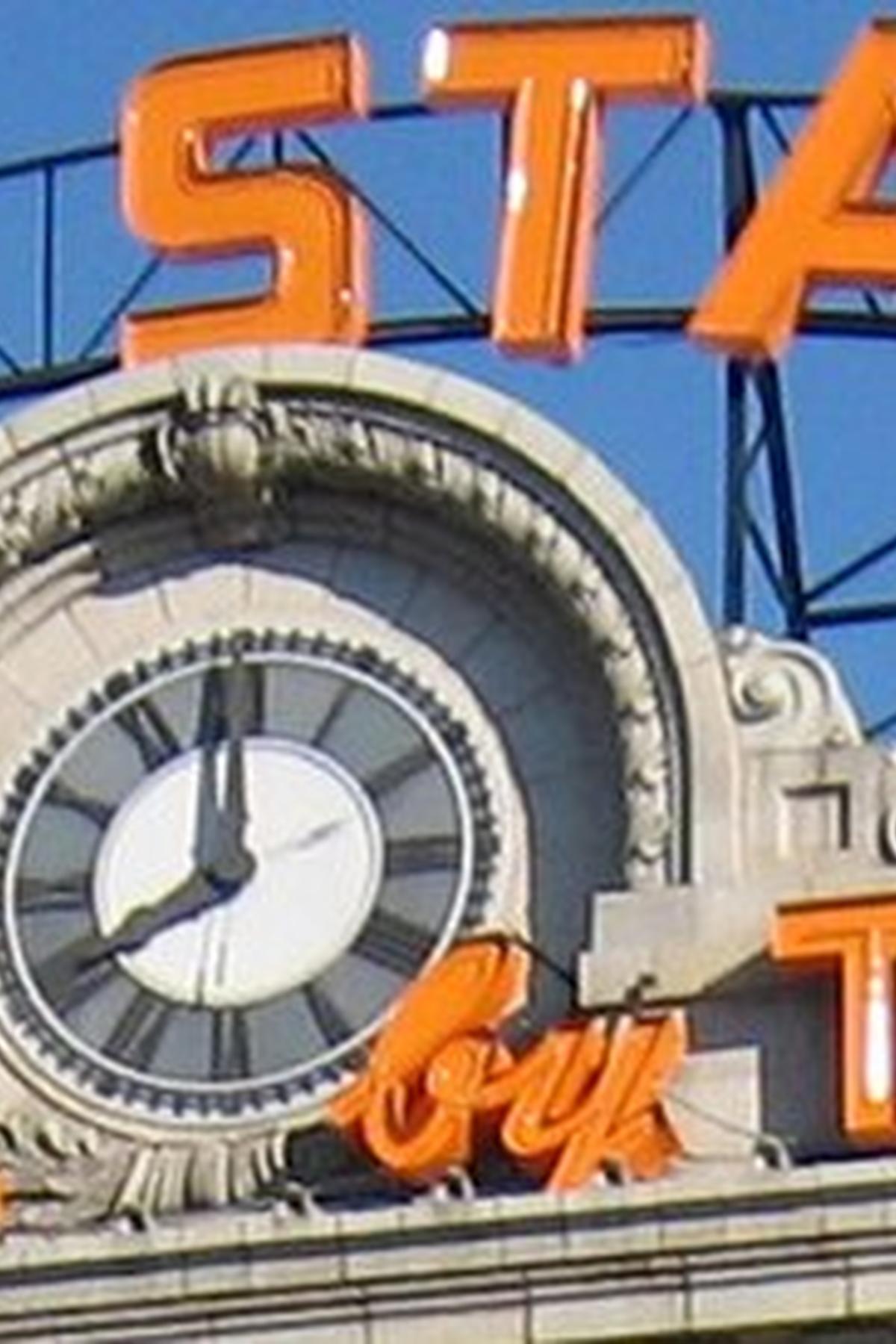

Denver Neighborhoods for Visitors: the Tradeoff You Have Not Considered
Every Denver neighborhood offers a different combination of walkability, nightlife volume, transit access, and physical comfort. The tradeoff most visitors miss is between polish and friction. A polished neighborhood like Cherry Creek delivers valet-parked comfort and quiet streets, but it requires a rideshare or rental car for almost everything beyond its shopping district. A friction-filled neighborhood like LoDo puts you steps from Union Station, the A-Line train to the airport, and a dense concentration of bars. It also puts you in the middle of the most visible homeless presence in the city, with street noise audible in street-facing hotel rooms until roughly 2:30 AM on weekends.
The neighborhoods that work best for visitors fall into two categories. Union Station and LoDo suit travellers who want maximum transit connectivity and nightlife density and are willing to tolerate urban friction. RiNo, Cherry Creek, and Capitol Hill suit travellers who want a quieter base with solid dining, knowing they will pay for rideshares or rental cars to access the mountains and the airport. RiNo adds brewery district access and street art; Cherry Creek adds polish at the cost of any rail connection.
Best Area to Stay in Denver Without a Car: Union Station and LoDo
If you are arriving at Denver International Airport and do not plan to rent a car, the area around Union Station is your only serious option. The A-Line commuter train runs from the airport transit centre to Denver Union Station in 37 minutes. The fare is set by RTD; check their site for the current price before you travel. From Union Station, you can walk to most LoDo hotels and restaurants without needing a rideshare or a taxi. The free MetroRide shuttle on 18th and 19th streets connects to California and Stout stations for the D, F, and H light rail lines. The 16th Street Mall Ride provides a slow, free shuttle along a single commercial corridor. It is not a comprehensive transit solution. It is enough for a weekend.
Noise, Safety, and the Early Flight Trap
The downside is baked into the location. The area around Union Station, the 16th Street Mall, and Colfax has visible homeless presence and open drug use that can feel unsafe after dark. Street-facing rooms at hotels near 14th to 20th streets between Blake and Market pick up bar noise until last call at 2:00 AM. The early departure failure mode is specific: the first A-Line train to DEN departs at 3:00 AM. If your flight is before 5:30 AM, your only option is a taxi or rideshare. Expect to pay a wide band depending on surge pricing, typically $55 to $75. No hotel in this district operates an airport shuttle.
Denver Hotels Near Union Station: What to Book and What to Skip
Hotels near Union Station put you within walking distance of the A-Line, RTD light rail lines C, E, and W, and the nightlife concentration from 14th to 20th streets. You pay a premium for this convenience. Valet parking at hotel garages runs $30 to $55 per night, set by each property. Independent lots on Wewatta Street and 16th Street charge $18 to $35 per day with no in-and-out privileges; check the posted rates on arrival. Book a courtyard room on the far side from the lift if street noise bothers you. The Maven, The Crawford, and Kimpton Hotel Born have rooms facing the nightlife corridor that are audibly active until bar close on weekends.
Skip any hotel that markets itself as a mountain-view property. You are on the high plains. The Front Range is visible but distant. A room with a mountain view in LoDo still requires a 40-minute drive or a rideshare at $55 and up to reach a trailhead. If your primary goal is a mountain start, do not book here.
RiNo vs LoDo Accommodation: Pick Your Poison
The RiNo versus LoDo decision is a choice between grit and polish, between taprooms and sports bars, between street art and historic architecture. RiNo, the River North district, is the gritty-chic epicentre of Denver's brewery culture. Larimer Street from 26th to 35th and Brighton Boulevard are lined with taprooms that close between 10:00 PM and 11:00 PM, earlier than LoDo's bars. Music venues like Mission Ballroom and Larimer Lounge run until midnight or 1:00 AM. Street art covers every surface.
RiNo's Rail Gap and Parking Reality
RiNo's rail access runs through the 38th & Blake stop on the A Line, a 0.3 to 0.8 mile walk from most RiNo hotels. The train reaches DEN in 32 minutes; check RTD for the current fare. There is no light rail in RiNo. The nearest light rail is Union Station, 1.2 to 1.8 miles southwest. Parking is cheaper than LoDo. Surface lots charge $10 to $20 per day, and hotel valet at The Source Hotel and Catbird Hotel runs $35 to $45 per night. The early departure failure mode in RiNo involves the 38th & Blake pedestrian underpass, which has a history of closure for maintenance without posted alternatives. If that underpass is closed and you have an early flight, add a rideshare to your plan anyway.
LoDo's Late-Night Edge
LoDo, Lower Downtown, is the historic warehouse district anchored by Union Station. The nightlife runs later and louder. Bars concentrate on Blake and Market from 14th to 20th, and the homeless presence is more visible. If you want to stumble from a cocktail bar to your hotel room without crossing a major street, LoDo is your choice. If you want to wake up and walk to a brewery at 10:00 AM without navigating a crowd, RiNo is your choice.
Cherry Creek Hotel Rates 2025: What You Pay for
Cherry Creek is the polished, high-end shopping district of Denver. It delivers valet-parked comfort, quiet tree-lined streets, and a concentration of restaurants on 2nd and 3rd avenues between Fillmore and Steele. It does not deliver transit access, nightlife, or proximity to the mountains. There is no light rail or commuter rail stop in Cherry Creek. The nearest rail access is Colorado Station, 2.5 miles east, with no direct shuttle. An RTD bus ride from Cherry Creek to Union Station takes 80 to 100 minutes and involves a transfer.
Costs and the Midnight Curfew
Hotel valet in Cherry Creek runs $35 to $55 per night. The Cherry Creek Shopping Center garages offer free parking for the first two hours; after that the hourly rate applies, but overnight parking requires hotel validation. Check the garage's posted rates. A rideshare to DEN from Cherry Creek costs $55 to $80 and takes 35 to 50 minutes. Surge pricing between 4:00 AM and 6:00 AM on weekdays adds $15 to $25 to the fare. Restaurants close by 9:00 or 10:00 PM, and bars close by midnight. There are no live music venues in the district. Cherry Creek works for travellers who value comfort and quiet over convenience and nightlife. It does not work for travellers who want to be on a trail or at a taproom without a car ride.
Alternatives for the Mountain Start: Capitol Hill and the Airport Corridor
Capitol Hill offers a compromise between downtown energy and residential quiet. Dense, eccentric, and lined with historic mansions and dive bars, it puts you within walking distance of the Denver Art Museum, the Colorado State Capitol, and the Clyfford Still Museum. There is no direct rail to the airport. The nearest light rail is Capitol Hill station at Broadway and 14th Avenue, serving the D, F, and H lines. To reach DEN, you take light rail to Union Station and transfer to the A Line, a process that takes 55 to 70 minutes total. A bus on Colfax Avenue via Route 15L to Union Station and the A Line takes 60 to 80 minutes; check RTD for the combined fare. Street parking requires a permit on most residential blocks from 8:00 AM to 6:00 PM weekdays. Hotel valet runs $25 to $40 per night.
The Early Flight Problem
If your flight departs before 7:00 AM, Capitol Hill is a poor choice. A rideshare to DEN costs $50 to $70 and takes 30 to 45 minutes. Driver availability before 5:00 AM is low. Pre-schedule a taxi from Metro Taxi at 303-333-3333. The early departure failure mode in Capitol Hill is that you will pay surge pricing and wait longer than you expect.
Airport Corridor: Nothing to Do, Everything On Time
The airport corridor hotels on Tower Road and 64th Avenue solve the morning departure problem entirely. They offer on-site self-parking at $10 to $18 per day at Tower Road properties, hotel shuttles to the terminal beginning at 3:30 to 4:00 AM, and at the Westin DEN, a pedestrian bridge to the TSA checkpoint that takes 5 to 8 minutes. TSA PreCheck at DEN opens at 4:00 AM. The tradeoff is that there is nothing to do at night. The nearest bar is the Westin DEN lobby bar, which closes at 11:00 PM. Two chain restaurants on Tower Road have bars that close at 10:00 PM. You trade nightlife for a guaranteed early arrival.
How to Book for Summer Peak
Denver's summer peak runs from June through September. Warm, dry weather and a relentless calendar of outdoor festivals, concerts at Red Rocks, and peak hiking conditions drive demand and hotel nightly rates. Book ahead for any weekend that falls between Memorial Day and Labor Day. The city's altitude means summer afternoons are hot and dry, not cool and alpine. Pack sunscreen and lip balm, not a fleece.
January is the other period that affects hotel rates, for a different reason. The National Western Stock Show floods certain areas with 700,000 or more visitors over 16 days, spiking hotel prices citywide. If you are booking in January, check whether the Stock Show overlaps with your dates. Avoid major summer holiday weekends when I-70 traffic to the mountains becomes a parking lot. A 60-mile mountain drive can take three or more hours if you leave after 6:30 AM on a Saturday.
One Honest Caveat About Denver Hotels
No single neighborhood in Denver delivers everything. LoDo gives you transit but not quiet. RiNo gives you breweries but not a direct light rail connection. Cherry Creek gives you comfort but not walkability to anything beyond its shopping district. Capitol Hill gives you culture but not a quick airport exit. The airport corridor gives you a guaranteed early flight but nothing else. Denver is a car-dependent city with pockets of walkability. Whichever neighborhood you choose, you will spend money on rideshares or rental cars. The question is not whether you will pay for a car, but whether you will pay for a car and also pay for a premium hotel room in a neighborhood that does not match your morning plan.
Common Questions
How far is downtown Denver from the mountains?
The foothills are a 30 to 45 minute drive from downtown Denver. The Front Range is visible from the city, but no trailhead is within walking distance of any downtown hotel. A day trip to Rocky Mountain National Park requires 1 hour 45 minutes driving each way, plus a timed-entry permit during peak season.
Is Denver safe for solo female travellers?
Denver's urban core has visible homeless encampments and open drug use, particularly around Union Station, the 16th Street Mall, and Colfax. Solo travellers should avoid these areas after dark and use rideshares rather than walking. The neighborhoods of RiNo, Highland, and Cherry Creek feel safer after dark because of lower foot traffic concentration. Altitude sickness is a more likely physical risk than crime for most visitors.
Which Denver neighborhood is best for a family?
Highland offers quiet, family-cool streets with good views of downtown, a walkable main strip, and proximity to Confluence Park. Cherry Creek offers polished comfort and high-end dining but requires a car for everything beyond the shopping district. LoDo and RiNo are not ideal for families due to bar noise and visible urban friction.
Do I need a rental car in Denver?
If you plan to stay within the urban core and use the A Line to and from the airport, you can manage without a rental car for a weekend. If you plan any mountain day trip, you need a rental car or are willing to pay $55 to $80 each way for a rideshare. The RTD light rail and bus system is useful for specific corridors but does not serve the mountains.
What is the best time of year to visit Denver?
June through September is peak season, with warm dry weather and a full calendar of outdoor festivals and concerts at Red Rocks. May and October offer lower hotel rates and fewer crowds but cooler temperatures. January has the National Western Stock Show, which floods the city with visitors and spikes hotel rates. Winter visitors should pack for Denver's 300 days of sunshine rather than mountain temperatures.
Read next
-
 Denver to the ski slopes without losing your mind on I-70
Denver sits close to world-class skiing but the I-70 corridor turns a short drive into a test of patience. Here is how to handle the traffic, the shuttles and the traction laws.
-
 Walking Australia's Long-Distance Trails Without a Tour Company
Plan the Bibbulmun, Larapinta, and Overland Track without a tour company. Real permit costs, resupply gaps, and honest nightly budgets.
-
 SIMs, eSIMs and Staying Connected on Long-Distance Walking Routes
Honest look at mobile connectivity on long-distance walking routes. Real costs of local SIMs vs eSIMs, rural coverage gaps, and activation headaches in border zones.