Denver Itinerary for a Weekend That Does Not Pretend the Rockies Are Downtown
A Denver itinerary for a weekend that separates city from mountains honestly: one urban day, one early-departure mountain day, and one neighborhood deep-dive in RiNo or Tennyson.
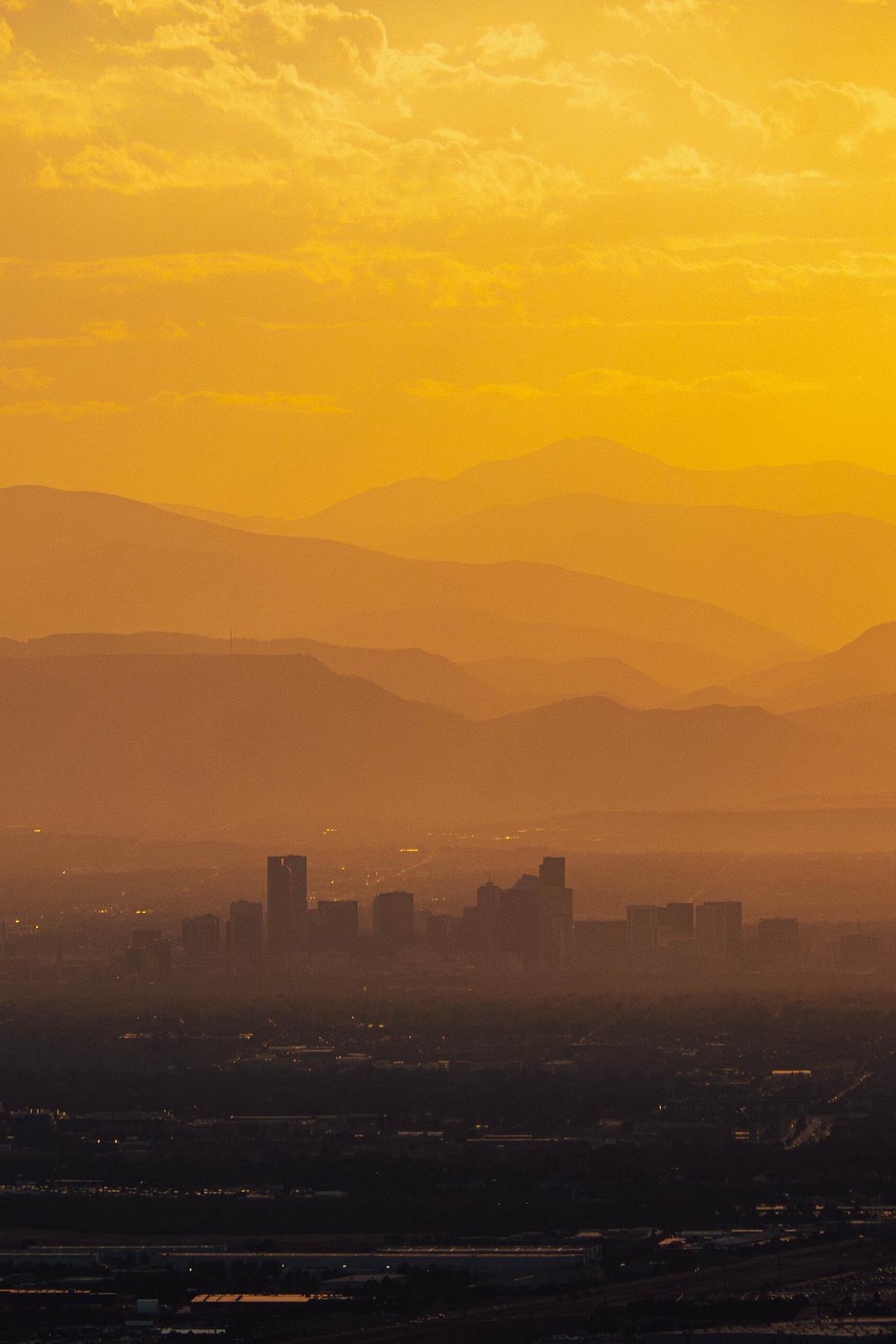
Most visitors arrive in Denver expecting the Rockies to be a five-minute walk from their hotel. The reality is flat, semi-arid high plains, the peaks a hazy 30-to-45-minute drive west. This Denver itinerary treats that drive as the hard constraint it is. One day for urban art and food. One summit day with a 6:00 AM departure. One deep exploration of a single neighborhood. No pretending you can stroll from LoDo onto a trail.
The failure mode is sleeping in on Saturday and spending three hours in a parking lot below Floyd Hill on I-70. The fix is a brutal early start and knowing exactly when to leave, when to stop, and when to turn around. This Denver 3-day weekend plan covers the city core and a mountain day trip without wasting your morning in gridlock.
Denver sits at 5,280 feet. Altitude sickness hits on day one. A casual beer feels like two. A short walk leaves you breathless. Drink water, not another IPA, before you do anything else. The city is a grid of car-dependent sprawl with a few walkable pockets. RiNo, LoDo, and Capitol Hill reward on-foot exploration. Everything else requires a rideshare or a train.

Denver 3-Day Weekend Plan: Urban Art, a Mountain Day, and a Neighborhood Deep Dive
Day One: Urban Art And Food, No Car Needed
Start at Denver Union Station, 1701 Wynkoop Street. Walk northwest on Wynkoop to the 16th Street Mall, then southwest to Larimer Square, the 1400 block of Larimer. This is the city's first historic block, string-lit and boutique-lined. Coffee at Huckleberry Roasters inside the Dairy Block at 1800 Wazee. The Dairy Block is a micro-district of maker shops and cocktail alleys, worth a 15-minute wander before moving on.
Late morning at the Denver Art Museum, 100 W 14th Avenue Parkway. General admission runs around $22 for adults, free for under 18, with a discount for Colorado residents. The Gio Ponti tower holds a vast Indigenous art collection. The second Saturday of each month is a free day, but the museum publishes the precise schedule on its own site, so confirm the date before you go. Budget 90 minutes.
Lunch at Avanti Food & Beverage, 3200 Pecos, a collective food hall with seven vendors. No reservations, counter service, indoor and heated rooftop seating. The afternoon goes to the River North Art District (RiNo), bounded by Broadway, I-70, Downing, and Park Avenue West. Walk the mural circuit along Larimer between 26th and 30th. Denver Central Market sits on Larimer, a high-end food hall in a former print shop, useful for a mid-afternoon snack or a coffee stop.
RiNo Brewery Crawl Saturday: An Afternoon On Foot
This section of RiNo holds the densest concentration of breweries in the district. You can hit four taprooms on foot without crossing a major road. Start at the Larimer end near 26th and work north. Most open at noon. Each flight runs $10 to $14 for four to six small pours. The hazy IPAs and barrel-aged sours are the local specialty. No reservations needed. The entire walk from 26th to 30th on Larimer takes about 20 minutes at a stroll, and a proper tasting at two or three stops fills an afternoon without rushing.
Dinner at Work & Class, 2500 Larimer. No reservations, counter service, Brazilian and Southern influences in a tight, loud room. Evening at RISE Comedy, 1260 22nd. Improv shows run most nights. Tickets sell out on weekends, so book in advance.
Red Rocks Day Trip from Denver: the 6:00 AM Rule
Red Rocks Park & Amphitheatre sits 15 miles west of downtown Denver. Drive time is 30 to 40 minutes in light traffic. On a Saturday with good weather, light traffic ends at 6:30 AM. Leave any later, and you join the I-70 crawl that turns a 30-minute drive into two hours. The advice is simple: depart at 6:00 AM.
Daytime access to Red Rocks is free when no event is scheduled. The parking lot opens one hour before sunrise. You can hike the sandstone steps, walk the stage, and visit the visitor center. The top row sits at 6,450 feet. Bring water. The altitude is real here.
If you are going for a concert, buy tickets only through AXS.com. Tickets are non-transferable except via AXS Official Resale. The schedule for the May through November 2026 season is released in March or April. Event parking is included in the ticket price, and lots open two hours before show time. The failure mode after a concert: no rideshare pickup at the venue. The last RTD Route 44 bus departs before most shows end. You must drive yourself, arrange a designated driver, or book a private shuttle in advance. There is no other way down.
Car-Free Alternative: A-Line And The FF1 Bus To Boulder
If you refuse to rent a car, Denver offers a viable mountain alternative that does not touch I-70. Take the A-Line train from Denver Union Station to downtown Boulder via the FF1 bus. The A-Line runs from the airport transit center to Union Station in 37 minutes for $10.50. From Union Station, the FF1 express bus runs to Boulder in 35 to 45 minutes. The Boulder stop deposits you at the Boulder Transit Center, a short walk from the Pearl Street Mall and the trailhead for the Flatirons.
This is not a Red Rocks trip. It is a foothills day without a car. The Flatirons hiking trails are accessible on foot from downtown Boulder. The return bus runs late enough for a Pearl Street dinner. Download the RTD MyRide app and load value before you arrive. Station ticket machines are finicky. Physical cash on the bus is exact change only and slow.
Denver City and Mountains Itinerary: a Two-Day Mountain Extension
If you have a full weekend and want a proper summit day that goes beyond a Red Rocks morning, drive I-70 west. The first stop is Idaho Springs, exit 240, 32 miles from Denver at 7,526 feet. The stop is Beau Jo's Colorado Style Pizza at 1517 Miner. The pizza is thick, honey-sweetened dough with edge-to-edge toppings. The second stop is Georgetown, exit 228, 45 miles from Denver at 8,530 feet. The Georgetown Loop Railroad runs late May through early October. The round-trip fare was $29.95 for adults and $20.95 for children in a recent season. The railroad operator is Historic Rail Adventures, which publishes the current schedule and prices on its own site.
For an overnight base, drive to Frisco or Breckenridge, exit 203, 70 to 80 miles from Denver. Frisco sits at 9,097 feet, Breckenridge at 9,600 feet. Acute Mountain Sickness can onset above 8,000 feet. Symptoms include headache, nausea, and fatigue. The Breckenridge Gondola runs free foot-passenger access from town to the Peak 8 base area, typically mid-June through Labor Day. The return drive on Sunday afternoon is subject to delays of 30 to 90 minutes at the Eisenhower Tunnel, elevation 11,158 feet. The total round-trip distance is approximately 160 miles. Do not attempt this as a day trip. The drive time alone is three hours each way in weekend traffic.
Car-Free Denver Weekend: No Rental Needed
A weekend without a car in Denver is possible if you stay inside the urban core and skip the high country. The A-Line train from the airport to Union Station is $10.50 and runs 37 minutes. Union Station is the transit hub. From there, the 16th Street Mall Ride is a free shuttle that runs the length of a single corridor. It is not a city circulator. For serious transport, use rideshare or the RTD light rail. The MyRide app handles digital tickets. Download it before you arrive.
Day one covers RiNo on foot. Day three covers Capitol Hill or Tennyson by rideshare. Day two is the car-free alternative described above: the FF1 bus to Boulder for Flatirons hiking. The Boulder day costs a few dollars each way on the bus. No car, no I-70, no gridlock. The trade-off is a lower altitude experience. Boulder sits at roughly the same elevation as Denver. You do not get the alpine scenery of the high Rockies, but you do get a solid hike and a Pearl Street afternoon without touching a steering wheel.
Neighborhood Deep Dive: Capitol Hill or Tennyson Street
Day three of this Denver itinerary is a single neighborhood. Pick one and spend the morning and afternoon there. Capitol Hill is dense, eccentric, historic mansions and dive bars. The Colorado State Capitol at 200 E Colfax offers a free dome tour with a view of the One Mile Above Sea Level marker on the 13th step. The Tattered Cover Book Store on Colfax is a legendary indie with creaky floors and author events. Lunch at a local spot on East Colfax.
Tennyson in the Berkeley neighborhood is a quieter alternative. A mile-long commercial strip of independent restaurants, breweries, and coffee shops. The corridor runs between 38th and 46th avenues. The walk from one end to the other takes 20 minutes. No major landmarks, just a solid block of local life. This is where you go when you want a slow morning with a breakfast burrito and a neighborhood bookstore.
If you have a free afternoon as a business traveler, skip the chain restaurants near the convention center and rideshare to Tennyson. You get a genuine local experience in 90 minutes.
What to Skip and What to Watch for
Skip the 16th Street Mall as a destination. It is a free shuttle on a single corridor, not a transit network. Skip Coors Field unless you have a baseball ticket and a sunset reservation for the rooftop bar. Skip the Meow Wolf Denver experience unless you book timed-entry tickets in advance and have a high tolerance for crowds and projected visuals. The Denver Botanic Gardens are worth 90 minutes if you are near Capitol Hill, but the Science Pyramid is a photo stop, not an activity.
Watch for the aggressive homeless presence around Union Station, the 16th Street Mall, and Colfax after dark. The area is safe in a situational awareness sense, not a strolling-without-looking sense. Dry air causes nosebleeds and cracked skin for visitors from humid climates. The 300 days of sunshine mean a 45°F February afternoon on a sunny patio feels like spring, while the same day in the high country is a 15°F blizzard. Pack for both if you are doing a summit day trip.
January's National Western Stock Show floods certain areas with 700,000 visitors over 16 days, spiking hotel rates citywide. Avoid major summer holiday weekends when I-70 becomes a parking lot. The peak travel window is June through September.
Common Questions
How do I get from Denver International Airport to downtown without a car?
Take the A-Line commuter train from the airport transit center to Denver Union Station. It takes 37 minutes and costs $10.50. A rideshare to downtown takes 35 to 50 minutes and costs $45 to $70. Taxis are a flat $56.75 to the downtown zone.
What time should I leave for Red Rocks on a Saturday?
Leave downtown by 6:00 AM. The drive takes 30 to 40 minutes in light traffic. Light traffic ends at 6:30 AM on summer Saturdays. Any later and you join I-70 gridlock that can double or triple your drive time.
Can I visit Red Rocks without a car?
Not reliably. The last RTD Route 44 bus departs before most concerts end. No rideshare pickup is allowed at the venue after shows. For a car-free mountain day, take the A-Line and FF1 bus to Boulder for Flatirons hiking instead.
How do I avoid altitude sickness in Denver?
Drink water before you drink alcohol. Denver sits at 5,280 feet. A casual beer feels like two. Headaches, dehydration, and quick intoxication hit on day one. The cure is water, not another IPA. Above 8,000 feet on a mountain extension, acute mountain sickness can set on with headache, nausea, and fatigue.
What is the best way to get around Denver without a rental car?
Rideshare is the dominant mode. The RTD light rail and FF1 bus are useful for specific corridors like the airport route and the Boulder route. The 16th Street Mall Ride is a free shuttle on a single corridor and is not a city circulator. Download the MyRide app for digital tickets before you arrive.
Is the Georgetown Loop Railroad worth the drive?
Yes, if you have two full days for a mountain extension. The railroad operates late May through early October. The round-trip fare was $29.95 for adults and $20.95 for children in a recent season. The drive from Denver is 45 miles to Georgetown at 8,530 feet, and the return is subject to Eisenhower Tunnel delays. Do not try it as a day trip.
What is the single biggest mistake visitors make in Denver?
Packing only mountain-winter gear. Denver has 300 days of sunshine. A 45°F February afternoon on a sunny patio feels like spring. The same day in the high country is a 15°F blizzard. Check the forecast for the specific altitude you are visiting, not the city forecast.
Read next
-
 Denver to the ski slopes without losing your mind on I-70
Denver sits close to world-class skiing but the I-70 corridor turns a short drive into a test of patience. Here is how to handle the traffic, the shuttles and the traction laws.
-
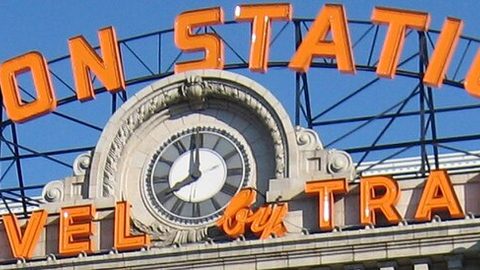 Where to Stay in Denver for a City Weekend or a Mountain Start
Choose where to stay in Denver based on your real plans: Union Station for transit access, RiNo for brewery density, or Cherry Creek for polished comfort, not mountain views.
-
 Denver Things to Do Beyond a Brewery List
Denver things to do that go past the brewery list: immersive art at Meow Wolf, empty-stage hikes at Red Rocks, and the Clyfford Still Museum's abstract expressionist powerhouse.
-
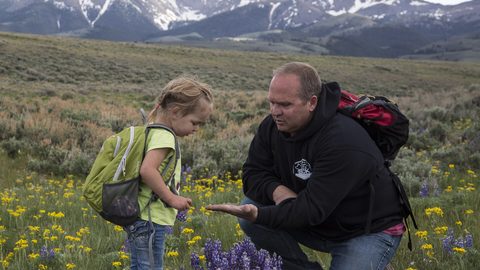 Denver Best Time to Visit by Season Snow Smoke Storms and Event Weekends
The best time to visit Denver depends on what you trade: June brings Red Rocks and hail, September offers peaches and thinner crowds, and January means empty museums but Stock Show hotel spikes.
-
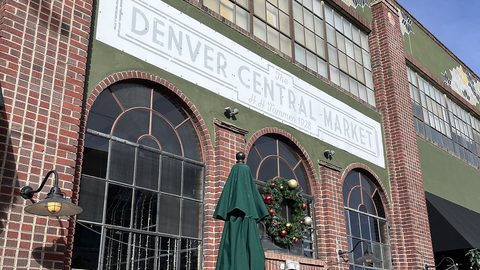 Eating in Denver Green Chile Food Halls and the Brewery Problem
Eating in Denver means green chile, food halls like Denver Central Market, and a landlocked oyster obsession—here is where to go when you are tired of breweries.
-
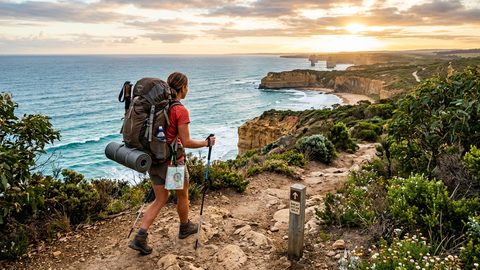 Walking Australia's Long-Distance Trails Without a Tour Company
Plan the Bibbulmun, Larapinta, and Overland Track without a tour company. Real permit costs, resupply gaps, and honest nightly budgets.
-
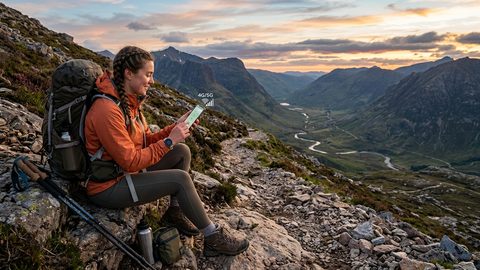 SIMs, eSIMs and Staying Connected on Long-Distance Walking Routes
Honest look at mobile connectivity on long-distance walking routes. Real costs of local SIMs vs eSIMs, rural coverage gaps, and activation headaches in border zones.