West Highland Way or Great Glen Way Which Walk Fits You
A practical guide to West Highland Way or Great Glen Way Which Walk Fits You.
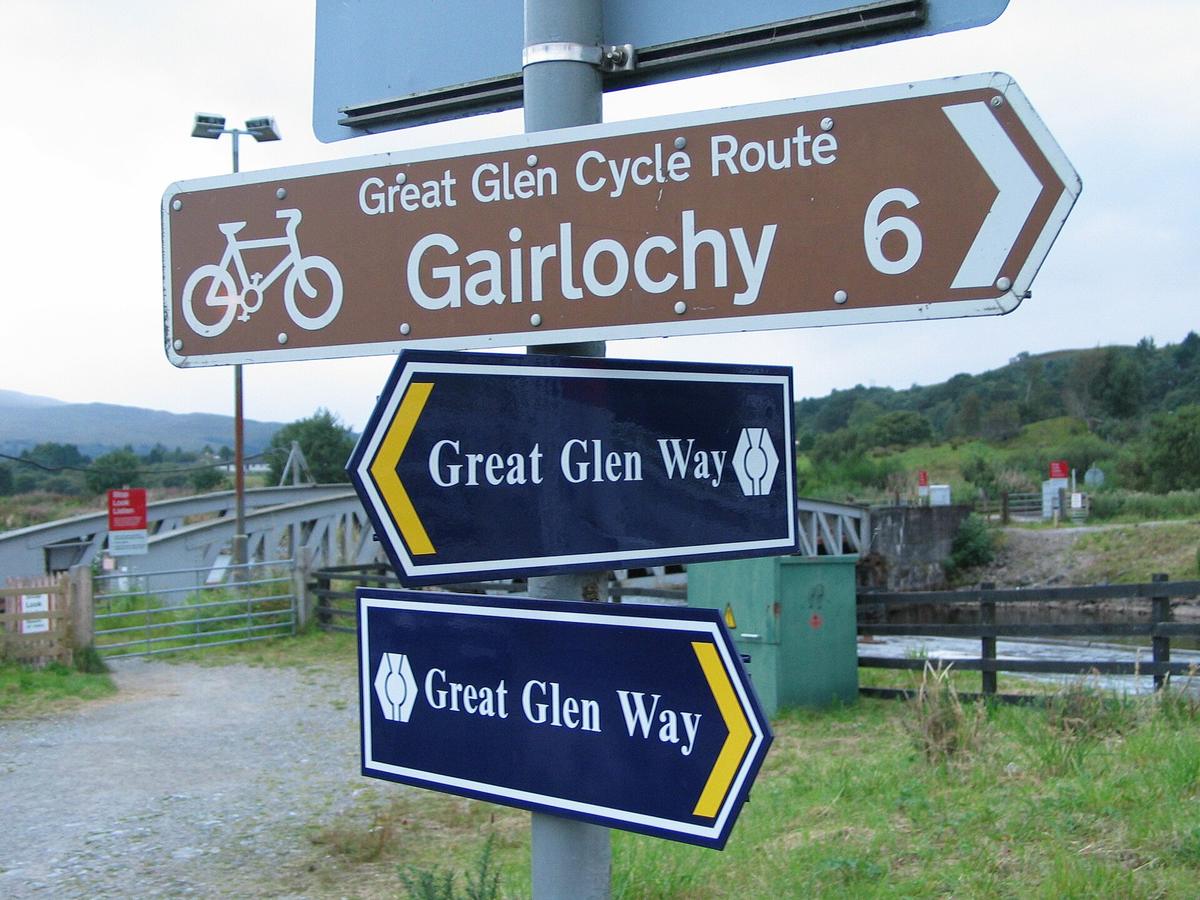

Two classic Scottish trails, two very different experiences
Scotland has a way of making a long walk feel like a journey through every landscape the country can offer. The West Highland Way and the Great Glen Way share a starting and ending point in Fort William, yet they deliver fundamentally different adventures. One is a rugged rite of passage across moors and mountains. The other is a gentler glide along a geological fault line, with loch views that stretch for miles. Choosing between them is not about finding the better trail. It is about understanding what kind of walker you want to be for a week.
Both routes belong to Scotland's Great Trails, a network of long-distance paths promoted by NatureScot. That shared status means each is well signposted and maintained, but the similarities largely end there. The West Highland Way demands more from your legs and your nerve. The Great Glen Way offers more flexibility and, for many, a more relaxed rhythm. The right choice depends on your fitness, your appetite for remoteness, and what you want to see when you lift your eyes from the path.
Distance, duration and the shape of your week
The West Highland Way stretches 96 miles from Milngavie, on the edge of Glasgow, to Fort William. First-time walkers should plan for at least seven or eight walking days, though faster parties complete it in five or six. The Great Glen Way covers 79 miles between Fort William and Inverness and is typically walked in four to seven days, with official itineraries available for four, five, six and seven day schedules.
That difference in length is meaningful but not decisive. More important is what fills those miles. The West Highland Way packs a total ascent of 3,155 metres into its journey, climbing to a high point of 548 metres at the Devil's Staircase. The Great Glen Way, even when taking the High Route options, accumulates 1,835 metres of ascent and reaches 434 metres at Carn na Leitire. If you are building your walking fitness or prefer to keep daily climbs moderate, the Great Glen Way is the less demanding option. If you want a trail that tests your endurance and rewards you with a genuine sense of altitude, the West Highland Way delivers.


Terrain and what lies underfoot
Terrain shapes a walker's daily experience more than any statistic. The West Highland Way serves up a constantly shifting surface. You will walk woodland paths, lochside tracks, open moorland, old military roads and the exposed expanse of Rannoch Moor. One section along Loch Lomond's east shore is notoriously difficult, a rocky and root-strewn scramble that demands careful footwork even in dry weather. This variety is part of the trail's character, but it means you cannot settle into a single rhythm.
The Great Glen Way is predominantly low-level, following Caledonian Canal towpaths, forest tracks and minor roads. Its optional High Route sections introduce steeper climbs and panoramic views above Loch Ness, but the default walking is gentler and more predictable underfoot. If you prefer a trail where you can look around rather than constantly watching your footing, the Great Glen Way is the more forgiving choice. If you enjoy the challenge of technical sections and varied surfaces, the West Highland Way will keep you engaged.
Landscape character and what you will see
The West Highland Way is a journey through drama. It begins in the gentle suburbs of Milngavie, crosses the Highland Boundary Fault, and then unfolds into increasingly wild country. Loch Lomond gives way to Rannoch Moor, a vast and empty expanse that can feel like the most remote place in Britain. The Devil's Staircase climb leads to views across Glen Coe, and the final approach to Fort William is dominated by the bulk of Ben Nevis. This is a trail of big skies, open ground and a palpable sense of entering the Highlands.
The Great Glen Way follows a different logic. It traces the Great Glen, a natural fault line that slices across Scotland from coast to coast. The route links Loch Lochy, Loch Oich and the full length of Loch Ness, with the Caledonian Canal as a constant companion. The views are long and linear, water on one side and forested slopes on the other. The High Route options lift you above the trees for a wider perspective, but the dominant experience is of moving through a lived-in landscape rather than a wilderness. Choose the West Highland Way for moorland grandeur. Choose the Great Glen Way for lochside calm.
History, management and the evolving trail
The West Highland Way holds the distinction of being Scotland's first official long-distance route, opened on 6 October 1980. It is managed by the West Highland Way Management Group, which brings together East Dunbartonshire, Stirling, Argyll and Bute and Highland Councils, with Loch Lomond and The Trossachs National Park Authority acting as the lead body. That long-established governance means the route is mature and well understood, with decades of walker feedback shaping its maintenance.
The Great Glen Way is younger, officially opened on30 April 2002. It is maintained and improved by the Great Glen Ways partnership, consisting of Highland Council, Scottish Canals and Forestry and Land Scotland. This partnership continues to invest in the route. A new off-road section near Grotaig was completed in March 2026, and the Abriachan High Route opened in March 2024, introducing the trail's current highest point at Carn na Leitire. The Great Glen Way is still actively evolving, which means walkers should check the official website for the latest route line before setting out. If you value a settled, time-tested path, the West Highland Way offers that certainty. If you like the idea of walking a trail that is still being improved, the Great Glen Way has a sense of momentum.
Practical planning and what you must verify yourself
Both trails pass through areas where accommodation is limited and demand is seasonal. Bed and breakfasts, guesthouses, hostels, campsites and hotels operate independently along each route. Availability, pricing and booking requirements vary by season and must be checked directly with each provider. Do not assume you can walk either trail without booking ahead during peak months.
Section-by-section distances and recommended daily stages are published by the managing bodies, but these itineraries can change. The Great Glen Way official website provides downloadable route-stage PDFs with suggested itineraries for four, five, six and seven days. The West Highland Way official website offers suggested itineraries and recommends at least seven or eight walking days for first-timers. Always consult the latest versions before planning your daily distances. For the Great Glen Way, also verify the current line of the trail, as ongoing upgrades may alter sections of the route. The responsible authorities to check are the West Highland Way Management Group for the West Highland Way and the Great Glen Ways partnership for the Great Glen Way.
Making your choice
If you want a longer, tougher walk with significant ascent, varied and occasionally technical terrain, and a sense of crossing a genuine wilderness, the West Highland Way is the trail for you. It is the classic for a reason, and completing it feels like an achievement. If you prefer a shorter, gentler route with lower ascent, more predictable surfaces, and the option to add challenge via High Route sections, the Great Glen Way is the smarter choice. It suits walkers who want a multi-day journey without the physical toll of the West Highland Way, and it offers the unique pleasure of walking from one coast to the other along a geological fault line.
Neither trail is objectively better. The right question is not which walk is superior, but which walk fits the experience you are seeking. Check the official websites for both routes, confirm your accommodation, verify the latest route stages, and then trust your instincts. Scotland will meet you either way.
Sources and verification
- westhighlandway.org — Research source checked for this guide
- scotlandsgreattrails.com — Research source checked for this guide
- westhighlandway.org — Research source checked for this guide
- nature.scot — Research source checked for this guide
- scotlandsgreattrails.com — Research source checked for this guide
- greatglenway.com — Research source checked for this guide
Common Questions
Which trail is harder, the West Highland Way or the Great Glen Way?
The West Highland Way is harder by every standard measure. It is longer at 96 miles compared to 79 miles, has significantly more total ascent at 3,155 metres versus 1,835 metres on the Great Glen Way's High Route, and reaches a higher elevation at 548 metres compared to 434 metres. Its terrain is also more varied and includes a notoriously difficult rocky section along Loch Lomond's east shore.
How many days do I need for each walk?
The West Highland Way is typically walked in five to eight days, with the official website recommending at least seven or eight walking days for first-timers. The Great Glen Way is typically walked in four to seven days, with official itineraries available for four, five, six and seven day schedules.
Can I do both walks back to back?
Yes, both trails meet in Fort William, making it possible to walk one after the other. The West Highland Way ends in Fort William and the Great Glen Way begins there, so you can create a continuous journey from Milngavie to Inverness. Plan your accommodation and resupply carefully, as Fort William is the main service point between the two routes.
Read next
-
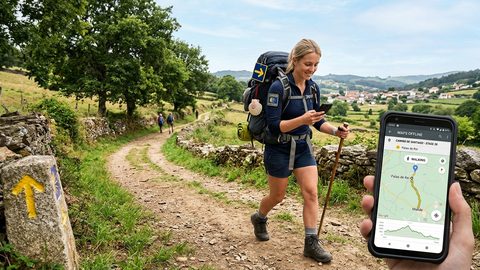 Walking the Camino de Santiago With Offline Maps and a Phone That Works
Plan your Camino phone setup with offline stage maps, saved accommodation contacts, sensible battery habits, and realistic expectations for mobile coverage.
-
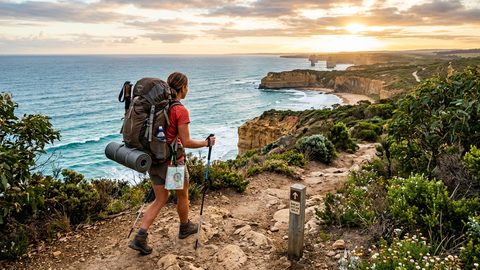 Walking Australia's Long-Distance Trails Without a Tour Company
Plan the Bibbulmun, Larapinta, and Overland Track without a tour company. Real permit costs, resupply gaps, and honest nightly budgets.
-
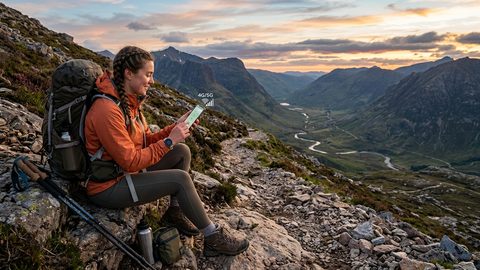 SIMs, eSIMs and Staying Connected on Long-Distance Walking Routes
Honest look at mobile connectivity on long-distance walking routes. Real costs of local SIMs vs eSIMs, rural coverage gaps, and activation headaches in border zones.