Why Stavanger works as your Lysefjord base and deserves more than a night
Stavanger works as more than a Pulpit Rock launchpad, with Gamle Stavanger's wooden houses, Øvre Holmegate's street art, and a harbour food scene worth staying for.
- Flag
-

- ISO code
- NO
- Population
- 151,669
- Currency
- NOK
- Timezone
- Europe/Oslo
Hiking Pulpit Rock from Stavanger When You Know it Will Be Busy
The single most useful fact about hiking Pulpit Rock from Stavanger is this: the tourist crowds that dominate the Internet discussion of this hike peak at 5,000 people per day in July. The trail is 8 km round trip with 500 m of ascent and an engineered surface of stone staircases, boardwalks and bare rock slabs. You can finish it in 4 to 5 hours. The question is not whether you should go. It is whether you can go without the experience being ruined by the queue for the classic photo spot that can reach 40 minutes at midday. You can. Stavanger's transport network gives you the exact ferry and bus combination, the timing that gets you ahead of the coach tours, the shoulder season windows and the alternative Lysefjord viewpoints to fall back on.
Why Stavanger Works as Your Lysefjord Base and Deserves More Than a Night
Most travellers treat Stavanger as a car park with a ferry terminal. They land, sleep, ride the crossing to Tau, hike Pulpit Rock, and leave. That plan wastes the best feature of this city: it is a genuinely pleasant small city that also happens to sit at the mouth of a 42 km fjord. Stavanger has 237,000 people in its urban area, a preserved wooden quarter with 173 protected houses, a street turned into an open air gallery by an annual festival, a petroleum museum that is better than the subject sounds, and a food scene backed by a working harbour. Book three nights minimum. Four is better. One is a mistake.
The Real Problem with Pulpit Rock is Not the Trail
Preikestolen, also called Pulpit Rock, projects 604 meters above Lysefjord. Its plateau is 25 m × 25 m. Photographs create the impression of a knife edge ridge. The actual path is wide, stepped and stone laid. The Norwegian Trekking Association rates it medium, blue on the DNT scale. The physical difficulty is not the problem.
The problem is the volume. Stiftelsen Preikestolen, the operator, reported roughly 350,000 visitors in 2024, most of them between June and August. The car park at Preikestolen Fjellstue holds approximately 600 vehicles. The single trail funnels all those people onto the same route. The photo line at the edge, where no railing exists and visitors dangle legs over a 604 meter drop, becomes a social event in itself. One confirmed accidental fall has occurred since 2000, in 2013, but the real risk is to your patience.
Yet the summit moment delivers something that the photographs cannot capture. Stand on the plateau and the fjord unfolds below you in a way that no queue can take away. The scale is immediate. The sound carries up from the water. The cliff opposite is real rock, not a screen. The experience is worth having. You just need to control when you have it.
What Stavanger Does on Its Own Terms
The city became a bishopric in 1125, and Stavanger domkirke, started around the same year, is the oldest cathedral in Norway. But the visual draw is Gamle Stavanger. Its 173 wooden houses, built between the late 1700s and early 1900s, sit across roughly 40 streets on the west side of the harbour. Walk them before 09:00, when the white clapboard and the cobbles catch the low light and the day trippers are still on the ferry. The area is residential, not a museum. Keep your voice down and don't block driveways.
The Street With A Different Palette
Øvre Holmegate, one street in the city centre, was repainted in a coordinated riot of pastel blues, pinks, yellows and reds after a hairdresser rallied the neighbouring businesses. It is now the café and bar spine of the city. Every table spills onto the pedestrianised pavement. The price of a coffee here, 45 to 55 NOK in 2025, is the same as anywhere else in Stavanger. You are not paying a premium for the colour. Sit at Bøker og Børst or the smaller café two doors down. Skip the places that serve a full menu; they fill with families and the service slows.
A Museum About Oil That Isn't Dull
The Norwegian Petroleum Museum, opened in 1999 and designed by Lunde & Løvseth, sits on the harbour and looks like a drilling platform that a child designed: angular, cantilevered, with a curved glass wall. Inside, it explains how the 1969 Ekofisk discovery transformed Stavanger from a fishing and shipping town into Norway's energy capital. The 2025 adult admission was 150 NOK. That is about the price of two beers in a bar. You get three floors of interactive exhibits, a real drill bit, a simulator, and a genuinely unsettling film about a rig disaster. Budget 90 minutes. It is worth more time if you have a child with you; they will disappear into the play section for an hour.
Harbour Dining Without The Tourist Menu
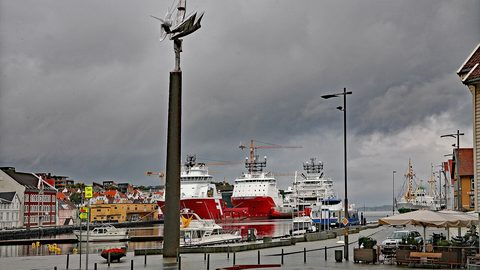
The harbourfront, Strandkaien and Skagenkaien, is lined with restaurants that fish from the same boats you can see unloading in the morning. The difference between a good meal and a forgettable one here is simple: find a place whose menu changes weekly, not one with a laminated card that lists reindeer burger and whale steak. Fisketorget, the fish market building, has a sit down restaurant on the left and a takeaway counter on the right. The takeaway counter serves fish soup for around 150 NOK. That is half the sit down price and tastes identical. Eat it at the outdoor tables facing the water.


The Early Ferry Strategy Out of Stavanger
The Exact Timing That Beats The Coaches
Norled runs the year-round ferry Stavanger to Tau. Crossing time is 40 minutes. Summer frequency is every 20 to 30 minutes. The ferry terminal in Stavanger is at Fiskepirterminalen. Buy the combined ferry and bus ticket, published at NOK 400 to 450 return for summer 2025 by the Norled and Kolumbus systems, not a third party bundle. The ticket covers the ferry crossing and the onward bus from Tau to the trailhead.
Catch the first ferry departure from Stavanger that lands you in Tau by 07:30. In June that means a ferry leaving Stavanger around 06:45. In early September the first departure is slightly later but still lands you in Tau before 08:00. The bus from Tau to Preikestolen Fjellstue takes 30 minutes. Kolumbus route 210 operates seasonally and the Pulpit Rock Tours shuttle runs parallel. You start hiking by 08:00 to 08:30. The coach tours from Stavanger and from the regional cruise terminal arrive from 10:00 onward. By starting before them you move against the flow. You reach the plateau by 09:30 to 10:00, when the first crowd wave is still climbing. You get the photo spot queue down to single digit minutes or zero. You descend while the peak midday mass is arriving.
Shoulder Season Windows
The path is snow free from mid May, with a variance of plus or minus two weeks depending on the spring melt. The window you want is late May to mid June and the first two weeks of September. June sees school groups and early season travellers but not July volume. September brings stable weather and fewer people. The ferry schedule in these weeks runs at winter frequency, 40 to 60 minutes, so check the Norled timetable for the exact first departure. The 2024 rate for the car park was NOK 250 per day if you drive, but the ferry and bus combination eliminates the car entirely and deposits you at the trailhead without parking stress.
Using Stavanger as a Multi Day Hiking Base
The Lysefjord is 42 km long and 422 m deep at its deepest point. It gives you three major hiking options, each accessible from Stavanger without a car. Do not attempt more than one hike per day. The return to Stavanger each evening means you swap a hotel room in the mountains for a shower and a proper dinner. Take that trade.
Pulpit Rock Without The Crowds
The famous walk. Preikestolen sits 604 m above the fjord. The return hike from the trailhead is 8 km and takes 4 to 5 hours. 350,000 people did it in 2023. To avoid the worst of them, take the 07:00 ferry from Stavanger to Tau. The 2025 fare for a single adult ticket on the Norled service was 80 NOK. The crossing takes 40 minutes, and ferries depart every half hour, with peak services every 20. From Tau, the bus to the trailhead takes about half an hour. Arrive at the trailhead by 08:30. You will have the rock to yourself for a short window before the late morning crowds arrive. The alternative is to hike in the evening. The last ferry back to Stavanger from Tau on summer evenings is around 22:00. Check the Norled app before you go. Do not attempt this hike in anything less than dry, stable weather. The path is bare rock for long stretches and wet stone above a 604 m drop is not the place for grip tape.
Kjerag And The Boulder
Kjeragbolten, the boulder wedged in a crevice high above the fjord, is the second most photographed point in the region. The hike is harder than Pulpit Rock. It is 11 km round trip, with three steep ascents and three descents, and takes 6 to 8 hours. You cannot do this as a DIY trip from Stavanger in a single day without a car unless you book a tour. The Rødne Fjord Cruise express boat from Stavanger to Lysebotn, which runs May to September, takes about 2.5 hours one way. The 2025 adult return fare was 1,090 NOK. From Lysebotn, a shuttle bus runs to the trailhead. The boat departs Stavanger early, around 07:30, and you return around 19:00. That is a long day. If your legs or your patience for a tour group are limited, skip Kjerag and do a second hike on Pulpit Rock in the opposite direction of light.
The Fjord By Boat
If you are not hiking, or you want a rest day between walks, take the Rødne express boat for the full 42 km run to Lysebotn and back. You see Pulpit Rock from the water looking up, which is the angle the famous photographs never show. You also see the Hengjanefossen waterfall and the abandoned farm at Flørli, which has the longest wooden staircase in the world. You cannot disembark at Flørli without a specific ticket, so book a round trip that includes a stop. The full tour takes about 5 hours including a brief stop at Lysebotn.
The Logistics at the Stavanger Ferry Terminal and Tau Bus Connection
Getting There And Buying The Ticket
Fiskepirterminalen is a short walk from the Stavanger city center. Arrive 15 minutes before the ferry departure. Purchase the combined ticket at the terminal ticket machine or through the Norled app before boarding. The ferry to Tau runs year round, but the bus from Tau to Preikestolen Fjellstue operates on a seasonal schedule aligned with the main season. If you travel outside June through August, verify that the bus is running. The alternative is a taxi from Tau to the trailhead, which costs more but remains an option if the bus has stopped for the season. The combined ticket saves you the trouble of buying two separate fares. The bus departs from directly outside the Tau ferry terminal. You cannot miss the connection. The total journey time from Stavanger city center to the trailhead is roughly 1 hour 40 minutes if the ferry and bus timings align.
The Ferry Terminal Logistics On The Return
On the way back, the bus from Preikestolen Fjellstue meets the scheduled ferry departures from Tau. The timing is designed so that hikers finishing the 4 to 5 hour round trip in the early afternoon catch a ferry back to Stavanger without a long wait. The summer ferry frequency of every 20 to 30 minutes means you can walk onto almost any sailing. The winter frequency requires a little more planning. Check the return bus departure from Preikestolen Fjellstue before you start hiking so you know the last connection that gets you to the final ferry.
How Many Nights and What to Do Each Day
Book four nights. That gives you two full hiking days, one rest or boat day, and two evenings plus one full day for the city itself. Here is a sample schedule.
Day one: arrive at Stavanger Airport Sola (SVG), 14 km from the city centre. Take the airport bus. The 2025 single fare was 179 NOK and the journey takes 20 to 25 minutes. Check into a budget hotel; a double room in 2025 cost between 1,200 and 1,800 NOK per night. Spend the afternoon walking Gamle Stavanger and Øvre Holmegate. Eat at the fish market takeaway.
Day two: early ferry to Tau, hike Pulpit Rock. Back in Stavanger by 16:00. Rest. Dinner at a harbour restaurant whose menu changes weekly.
Day three: either the full Lysefjord boat tour or a second Pulpit Rock hike in the opposite light. Evening at the Norwegian Petroleum Museum if you skipped it, or at the Swords in Rock monument (Sverd i fjell) completed in 1983 by Fritz Røed, just outside the city centre. The three swords are 10 m tall. The monument is free and takes 15 minutes.
Day four: morning in the city. Last minute café visit. Leave.
One practical note on weather. Stavanger sees roughly 220 rainy days per year. July averages 18°C. Even in summer, bring a waterproof shell and a fleece. If the forecast shows rain on your scheduled hike day, swap it with a city day. The city works in rain. The rock does not.
If You Decide the Crowds Are Too Much Stand on the Other Side of Lysefjord
Preikestolen is the most engineered, accessible and crowded experience on Lysefjord. Kjeragbolten is the harder, quieter and more rewarding hike, but it comes with its own crowd problem. The boulder wedged approximately 2 meters wide at 984 meters above the fjord draws a queue that can last an hour at midday. The round trip is 12 km with 800 m of ascent and the terrain includes three steep ascents and descents with chains on two sections. The trailhead at Øygardstøl is accessed via Lysebotn on road Fv450 from Sirdal. The season runs June to September. The primary disappointment is that the boulder is smaller than most images suggest and the queue exceeds the hardest climb in frustration. If you cannot face the crowds at Preikestolen and do not want the Kjeragbolten queue, consider the viewpoint at Hengjane on the south side of Lysefjord or the trail to Månafossen waterfall. Neither delivers the plateau moment. Both deliver solitude and real wilderness.
That said, for most travellers the right call is to do Preikestolen with the early start and accept that the summit has 30 other people on it instead of 500. The moment at the edge, 604 meters above the water, with the fjord stretching into the haze, is not diminished by the presence of other hikers who made the same smart choice you did.


.jpg)


| Factor | Preikestolen (Pulpit Rock) | Kjeragbolten |
|---|---|---|
| Elevation above Lysefjord | 604 m | 984 m |
| Round trip distance | 8 km | 12 km |
| Total ascent | 500 m | 800 m |
| Typical duration | 4–5 hours | 6–8 hours |
| Difficulty (DNT scale) | Medium (blue) | Hard (red/black) |
| Season | Mid May to October | June to September |
| Peak midday photo queue | 20–40 minutes | 30–60 minutes |
| Trail surface | Engineered stone stairs and boardwalks | Exposed rock with chains |
| Primary disappointment | Crowds and manufactured trail surface | Boulder smaller than photos; long queue to stand on it |
Common Questions
How many nights should I spend in Stavanger?
Three nights minimum. Four is better. A single night forces you to skip the city itself and treat Stavanger as a transit hub, which misses the point.
Can I do the Kjerag hike from Stavanger in one day without a car?
Yes, but only with the Rødne Fjord Cruise express boat from Stavanger to Lysebotn, running May to September. The boat takes 2.5 hours each way. The 2025 return fare was 1,090 NOK. Add the shuttle bus at Lysebotn. It is a 12 to 14 hour day.
Is the Norwegian Petroleum Museum worth visiting?
Yes. The 2025 adult admission was 150 NOK, which is about the price of a coffee and a cake in a café. Budget 90 minutes. It covers the 1969 Ekofisk discovery and its effect on the city. The interactive exhibits are well done.
What is the cheapest way to get from Stavanger to the Pulpit Rock trailhead?
Take the Norled ferry from Stavanger to Tau. The 2025 single adult fare was 80 NOK. The crossing takes 40 minutes. From Tau, take the bus to the trailhead. Total round trip: under 400 NOK.
When is the Nuart Festival in Stavanger?
The first week of September. In 2025, the dates were 4 to 7 September. The festival has produced over 60 permanent street art works since it was founded in 2001. Those works stay on walls year round, so you can see them even if you miss the festival itself.
Why is the title about crowds when the hike is one of Norway's most popular?
Because the real question travellers have is this: how to do this hike without the crowds ruining it. The answer is the earliest ferry and bus combination from Stavanger, which puts you on the trail by 08:00, ahead of the coach tours that arrive from 10:00.
What is the exact ferry and bus combination from Stavanger that avoids the crowds?
Take the first Norled ferry from Stavanger to Tau that lands you in Tau by 07:30. In summer that is the 06:45 departure. Then take Kolumbus route 210 or the Pulpit Rock Tours shuttle from Tau to Preikestolen Fjellstue. You start hiking by 08:00 to 08:30.
Does the ferry run year round to Tau?
Yes. Norled operates the Stavanger to Tau route year round. The difference is frequency: every 20 to 30 minutes in summer, every 40 to 60 minutes in winter. The bus from Tau to the trailhead is seasonal, so check the schedule outside June through August.
What does the combined ferry and bus ticket cost?
The combined return ticket for summer 2025 was published at NOK 400 to 450 by the Norled and Kolumbus systems. That covers the 40 minute ferry crossing and the 30 minute bus ride each way.
Is the hike itself difficult?
The Norwegian Trekking Association rates it medium, blue on their scale. The round trip is 8 km with 500 m of ascent on an engineered surface of stone stairs and boardwalks. Most people in reasonable fitness complete it in 4 to 5 hours. The photographs suggest a dangerous ridge; the actual path is wide and stepped.
Can you see the fjord from anywhere else if Pulpit Rock is too crowded?
Yes. Consider the viewpoint Hengjane on the south side of Lysefjord or the trail to Månafossen waterfall. You forfeit the plateau moment but gain solitude. Kjeragbolten is the other famous viewpoint, but it has its own queue problem and requires a harder hike.
Is the sunrise hike worth the loss of sleep?
Only in late May, early September, or on a weekday in June. In July even the sunrise slot draws crowds. Summer solstice sunrise is 04:12, requiring a trailhead departure of 02:00 to 03:00. You lose 3 to 4 hours of sleep compared to a standard morning. The solitude is high on weekdays in the shoulder seasons. In July it is low even at dawn.
Read next
-
 Eating in Stavanger without emptying your Norwegian bank account
Norwegian food prices hit hard the first time you see a menu in Stavanger. We found ways to eat well anyway, from supermarket picnics to the one fish soup worth the splurge.
Eating in Stavanger without emptying your Norwegian bank account
Norwegian food prices hit hard the first time you see a menu in Stavanger. We found ways to eat well anyway, from supermarket picnics to the one fish soup worth the splurge.
-
 Norway, the Country the Photographs Undersell and the Prices Oversell
Norway costs more than the brochures admit and looks better than the photographs can prove, a country where the krone hurts and the light makes up for it.
Norway, the Country the Photographs Undersell and the Prices Oversell
Norway costs more than the brochures admit and looks better than the photographs can prove, a country where the krone hurts and the light makes up for it.
-
 SIMs, eSIMs and Staying Connected on Long-Distance Walking Routes
Honest look at mobile connectivity on long-distance walking routes. Real costs of local SIMs vs eSIMs, rural coverage gaps, and activation headaches in border zones.
SIMs, eSIMs and Staying Connected on Long-Distance Walking Routes
Honest look at mobile connectivity on long-distance walking routes. Real costs of local SIMs vs eSIMs, rural coverage gaps, and activation headaches in border zones.