Things to Do in Stavanger Beyond the Pulpit Rock Hike
Stavanger things to do beyond Pulpit Rock: street art in Storhaug, bakeries in Pedersgata, the Petroleum Museum, and waterfront saunas for rainy days.
Stavanger Things to Do Without Hiking
Stavanger gets 220 days of rain a year. The Pulpit Rock hike is an 8-hour door-to-door commitment with no shelter on the cliff. If the clouds sit low over the Lysefjord, you need a plan that does not depend on clearing weather. The best Stavanger things to do involve zero hiking boots and outlast a downpour: the street art alleys of Storhaug, the cinnamon knots from Kanelsnurren, and the Norwegian Petroleum Museum's sharp architecture. Two full days in this city work best when you structure them by weather outcome, not by a fixed itinerary.
Stavanger Attractions Beyond Hiking: What Fills a Clear Day
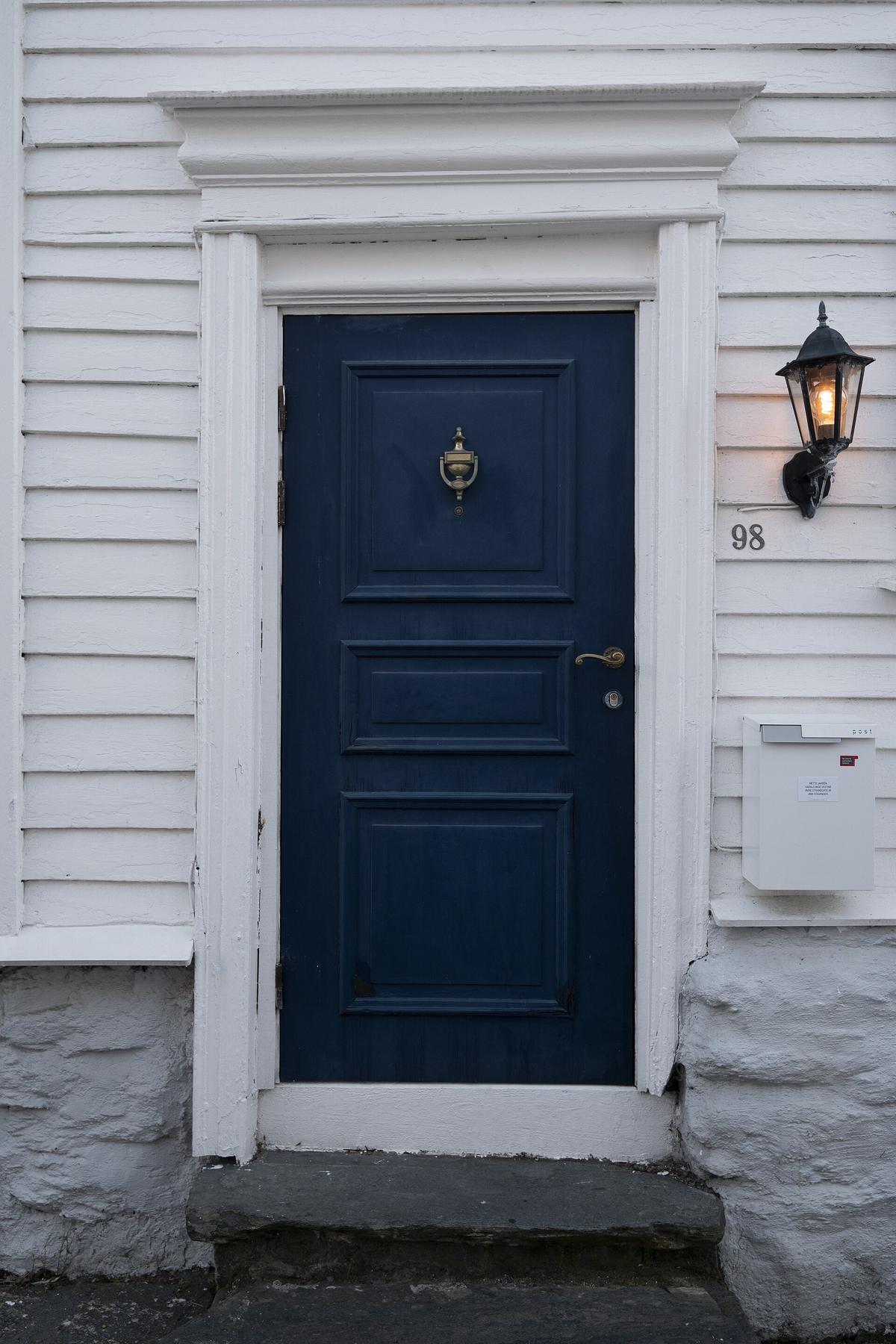
A clear morning in Stavanger is for the old town and the harbour, not for a rushed hike. Gamle Stavanger, protected since 1956, holds 173 white wooden houses on cobblestone lanes. Øvre Strandgate is the main street. Walk it in 45 to 60 minutes. The Hermetikkmuseum (NOK 120 adult) sits at Øvre Strandgate 88A, a short walk from the last white house, entirely indoor, rain-safe if the sky shifts. Combined, Gamle Stavanger plus the tin-can museum takes 1.5 to 2 hours and leaves the rest of the morning for Vågen, the harbour basin.
The harbour boat tour to the Lysefjord runs from Strandkaien. Rødne Fjord Cruise operates the 3.5-hour trip at NOK 850 adult (2026 rate; the operator publishes the current price). It runs in rain and cancels only in gale-force wind. If the weather holds, the silent electric boat gives you the fjord views without the hike. If it does not hold, you stay dry in the covered cabin.
Sverd i Fjell And The Waterfront Sauna
Sverd i Fjell, the three giant swords in rock, sits a 15-minute walk from Vågen on the Hafrsfjord shoreline. The monument is free and outdoor. Pair it with a stop at the waterfront sauna on the same stretch. The sauna is pay-per-use, open year-round, and works best as a warm-up before or after the short walk. The failure case here is wind: the site is exposed. If the gusts pick up, skip it and save the swords for a calmer morning.

Rainy Day Stavanger: Three Indoor Itineraries That Hold Up
Stavanger's wettest months run from September through January. April and May are driest, but even in summer the rain arrives fast. You need a rain-safe route that does not feel like a punishment. The city has three distinct indoor options, each suited to a different tolerance for museums.
Oil, Art, And Ships: The Museum Triangle
The Norwegian Petroleum Museum at Kjeringholmen 1A is entirely indoor and the most engaging museum in the city. It costs NOK 160 adult, NOK 80 for children 6 to 18, or NOK 400 for a family. Summer hours (June through August) run 10:00 to 19:00 daily; from September to May, 10:00 to 16:00 Monday through Saturday and 10:00 to 18:00 Sunday. Last admission is half an hour before close. Budget 2 to 3 hours. From the Petroleum Museum, walk along the harbour to Stavanger Kunstmuseum at Henrik Ibsens gate 55. Entry is NOK 130 adult, hours 11:00 to 16:00 Tuesday through Sunday, closed Monday. The collection is strong on Norwegian landscapes. A short walk north puts you at the Maritime Museum on Strandkaien 22 (NOK 120 adult, entirely indoor). The three museums sit within a 15-minute walk of each other. A MUST combined ticket covers all three plus the Hermetikkmuseum, Breidablikk, and Ledaal for NOK 340 adult, valid 48 hours from first use. Buy it only if you plan to use at least three of the venues.
Old Town Under An Umbrella
Gamle Stavanger is walkable with an umbrella. The lanes are cobblestone but the wooden houses overhang enough to offer partial cover. The Hermetikkmuseum, a short walk from the main lane, gives you a dry break. If the rain is heavy but you still want the old town atmosphere, do the walk in half an hour and retreat to the museum. This is the lowest-commitment rain option and the best for morning arrivals from a cruise ship.
Viking House VR And The Concert Hall Foyer
Viking House VR at the waterfront is a rainy-day filler: 45 minutes, all indoor, a VR experience of Viking-age Stavanger. It is not a full afternoon but works as a gap between museum visits. Stavanger Konserthus, the waterfront concert hall, offers free foyer access with harbour views through floor-to-ceiling glass. No ticket required. The architecture alone is worth the stop, and the foyer stays open during daytime hours even without a performance.
Gamle Stavanger Walk: the Right Route in 60 Minutes
Start at Øvre Strandgate, the main street of Gamle Stavanger. Walk the full length from the Hermetikkmuseum end toward Valbergtårnet, the old watchtower at the northern edge. The 173 wooden houses date from the 18th and 19th centuries. The street plan is the original layout; the protected status from 1956 prevented the demolition that replaced similar quarters in other Norwegian cities. Keep your phone at waist level for photos: the narrow lanes and white facades with red roof tiles frame best from low angle. Do not enter the garden gates marked private. The entire walk takes 45 minutes at a normal pace. Add the Hermetikkmuseum for another 45 minutes if you want the full old town experience.
Street Art Stavanger: the NuArt Self-Guided Walk
Stavanger's street art is not graffiti; it is the NuArt Festival, founded in 2001 and held the first week of September (2026 dates were not published as of October 2026; check the NuArt website). The murals stay year-round. The self-guided walk starts at Øvre Holmegate, the street locals call Fargegata (Colour Street) since its paint scheme in 2005. From there, walk east into the Storhaug district. The residential streets hold the largest murals, some covering entire building facades. Get a map from the NuArt website or the Visit Stavanger tourist office. Budget 1 to 1.5 hours. The walk is entirely outdoor but the alleys offer partial cover from light rain. If the weather is heavy, do the covered section of Øvre Holmegate and retreat to a café. The street art is what makes Stavanger's compact centre feel like a gallery, not a resort town.
Stavanger Food Experiences: Where to Eat Across Three Weather Scenarios
Stavanger's food scene is the most exciting in Norway outside Oslo, and it does not depend on the sky. You have three distinct eating strategies: the bakery run, the brewery taproom, and the global crawl.
The Kanelsnurren Bakery Run
Kanelsnurren, near Sverd i Fjell, bakes the city's best skillingsboller (cinnamon knots). The bakery is small, the queue forms early, and the knots sell out before late morning on summer weekends. Arrive as soon as you can, order two knots and a coffee, eat standing. This is a 15-minute stop, best as the first thing after the Pulpit Rock bus drops you back in the centre. The failure case is Sunday: Kanelsnurren closes with the rest of the city.
Lervig Local And The Bjølsen Brewery Taproom
Lervig Local sits in the Bjølsen industrial estate, a 20-minute walk from the centre or a short bus ride on Kolumbus line 6. The taproom pours Norwegian craft beer and serves bar food. It is indoor, dry, and stays open until late. Do not arrive too early: the taproom opens in the afternoon on weekdays and around lunchtime on weekends. Before that, the estate is dead. Ostehuset, a cheese and wine bar on the edge of Vågen, offers a quieter alternative with local Jæren cheeses and white-tiled casual elegance. It is entirely indoor and rain-safe.
Pedersgata Global Crawl: Four Cuisines In Four Blocks
Pedersgata is Stavanger's multicultural high street. Between the intersection with Verksgata and the bend at Børehaugen, four blocks contain Somali sambusas, Vietnamese pho, Syrian falafel, and a kebab shop selling Stavanger brunsaus on chips. Byens Kebab serves the brown-sauce version. Start at the Vietnamese place near the Verksgata end, eat the pho, walk one block north to the Syrian spot for falafel, cross the street for Somali sambusas, finish at Byens Kebab. Total time is 1.5 hours, total cost under NOK 500 per person. This works in any weather. The failure mode is Sunday: the restaurants close or operate reduced hours. On a Sunday, default to Lervig Local or Ostehuset.
Stavanger Things to Do Without Hiking
What is the single best thing to do in Stavanger if it rains all day?
The Norwegian Petroleum Museum. It is entirely indoor, costs NOK 160 adult, takes 2 to 3 hours, and its architecture and exhibits are strong enough that you will not feel you wasted the day.
How long does it actually take to hike Pulpit Rock from Stavanger city centre?
Seven to eight hours door-to-door: 40 minutes by bus, 4 hours round-trip hiking, plus waiting time at the cliff. Starting after 10:00 in peak season means sharing the summit with hundreds of others.
Are shops and restaurants open on Sundays in Stavanger?
Most shops are closed, including supermarkets. A few Narvesen kiosks and some cafés operate reduced hours. Restaurants in the centre stay open but kitchen close times are early by southern European standards, around 21:00 on weekdays.
What is the MUST combined ticket and is it worth it?
The MUST ticket covers Stavanger Kunstmuseum, the Petroleum Museum, the Maritime Museum, the Hermetikkmuseum, Breidablikk, and Ledaal for NOK 340 adult, valid 48 hours. It is worth it if you visit at least three of the six venues.
Can I walk to the street art from the cruise port?
Yes. The cruise port at Vågen is a 10-minute walk from Øvre Holmegate, the start of the street art walk. The entire NuArt self-guided route takes 1 to 1.5 hours on foot.
What happens if I show up at Pulpit Rock without a parking reservation?
You will be turned away. Preikestolen parking must be booked online in advance during summer. Without a reservation, the barrier stays closed.
Where do I buy a bus ticket in Stavanger?
Use the Kolumbus Billett app. Buy and activate your ticket before boarding. The driver does not sell tickets and cash is not accepted on board.
Read next
-
 Eating in Stavanger without emptying your Norwegian bank account
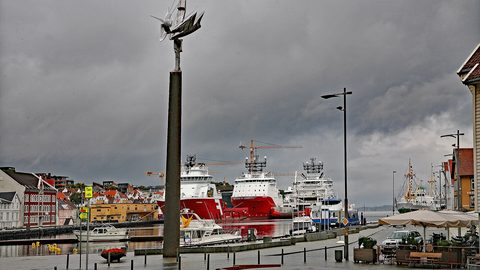
Norwegian food prices hit hard the first time you see a menu in Stavanger. We found ways to eat well anyway, from supermarket picnics to the one fish soup worth the splurge.
-
 Where to Stay in Stavanger Harbour East Side or Sandnes
Where to stay in Stavanger: pick the harbour for convenience, Storhaug for local life, or Sandnes for lower prices and a train commute.
-
 Norway, the Country the Photographs Undersell and the Prices Oversell
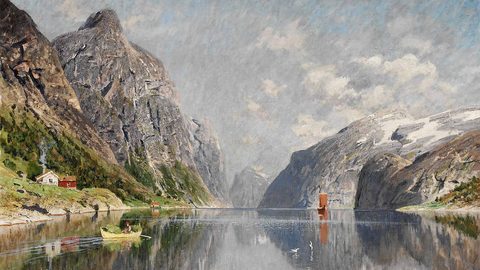
Norway costs more than the brochures admit and looks better than the photographs can prove, a country where the krone hurts and the light makes up for it.
-
 Walking Australia's Long-Distance Trails Without a Tour Company
Plan the Bibbulmun, Larapinta, and Overland Track without a tour company. Real permit costs, resupply gaps, and honest nightly budgets.
-
 SIMs, eSIMs and Staying Connected on Long-Distance Walking Routes
Honest look at mobile connectivity on long-distance walking routes. Real costs of local SIMs vs eSIMs, rural coverage gaps, and activation headaches in border zones.