Stavanger Where to Stay: Harbour, East Side or Sandnes
Where to stay in Stavanger: pick the harbour for convenience, Storhaug for local life, or Sandnes for lower prices and a train commute.
Where to Stay in Stavanger: Harbour, East Side or Sandnes
The single most useful fact about where to stay in Stavanger is that your choice is not between good and bad areas. It is between a room you can walk home to after dinner and a room you cannot. Restaurant kitchens here close at 21:00 on weekdays. Outside the narrow summer peak the entire city tips into quiet after 21:00. A room in Gamle Stavanger looks postcard perfect until you drag a suitcase over cobblestone at midnight. A room in Sandnes costs less per night and adds a 20 minute train commute. The question is not which neighbourhood looks best on Instagram. The question is which neighbourhood actually matches your travel style and tolerance for noise, cost, and early kitchen closures. This Stavanger accommodation guide is broken down by what you actually do when you get back from the hike.
Stavanger Accommodation Guide: What Each Zone Actually Costs and Demands
Stavanger is a compact, walkable city where oil wealth meets old world charm, but visitors often underestimate how quiet it becomes outside the summer buzz. The harbour side delivers convenience and cruise day chaos. Storhaug gives you street art and bakery mornings. Sandnes offers a cheaper bed and a 20 minute train commute. Each requires a different tolerance for noise, a different dinner plan, and a different nightly rate.
Vågen Harbour And Fargegaten: Convenience At A Price
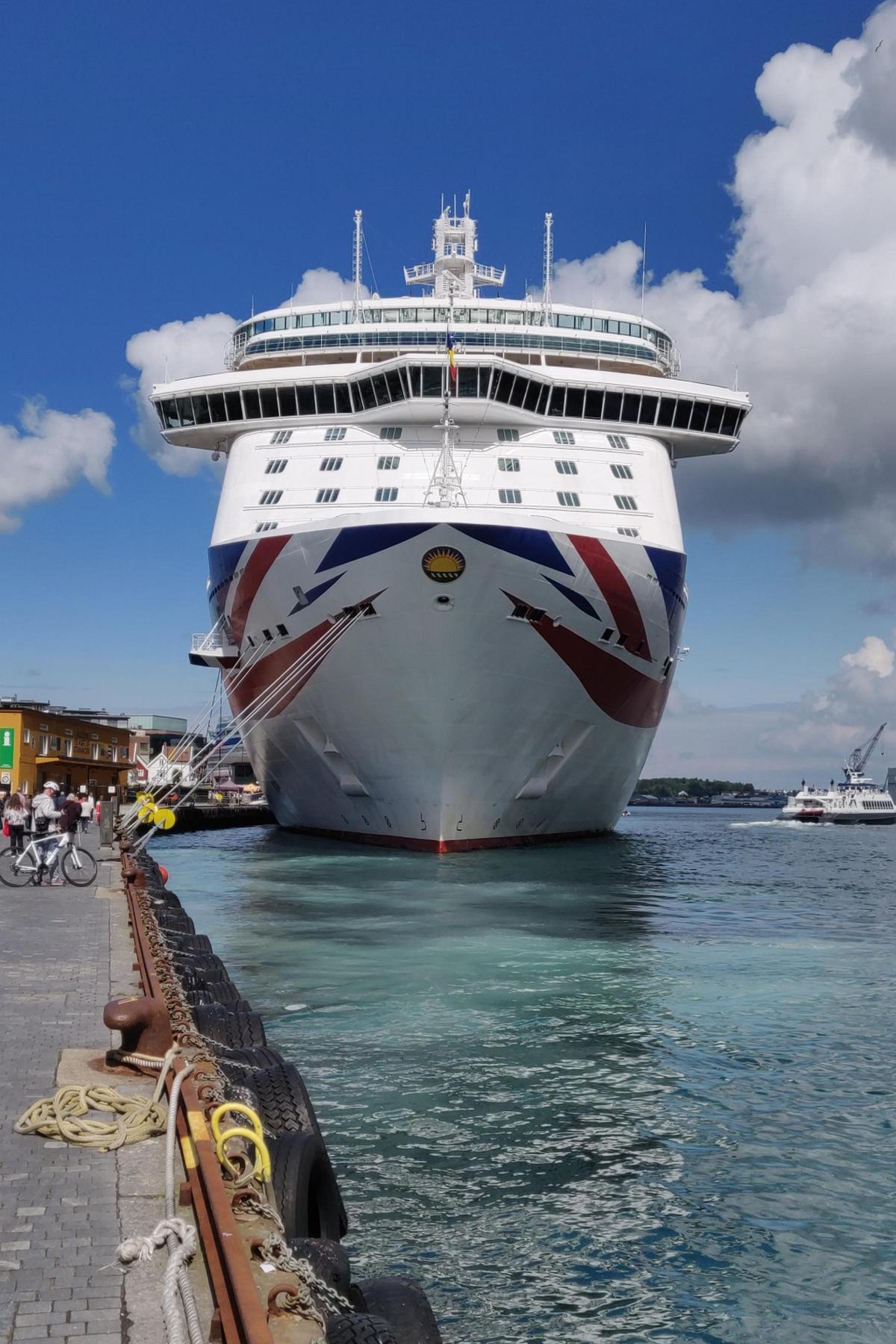
The Vågen harbour basin is Stavanger's tourist central. Outdoor dining, boat traffic, and the main concentration of hotels sit directly on the water. The advantage is zero transport: you walk off the Flybussen from Stavanger Airport, cross Jernbaneveien, and you are there. The disadvantage is cruise passenger surge. When the ships dock, the harbour pavement fills with groups holding selfie sticks and the restaurant wait times stretch. Rooms facing Skagenkaien or Nedre Strandgate catch nightlife noise peak hours Friday and Saturday from 23:00 to 03:00. Bass frequencies penetrate older wooden frames. If you are a light sleeper, book a courtyard room on the far side from the lift.
Nightly rates for summer peak at harbour side hotels run from approximately NOK 2000 to NOK 3500 for a standard double with breakfast included. Rooms in properties with secondary glazing and east facing windows cost more. The trade off: you can stumble from the boat to the bed in under five minutes, but you pay for the privilege and you hear the pavement until three in the morning.
Øvre Holmegate: The Bohemian Heartbeat
Øvre Holmegate, also called Fargegaten, is the rainbow painted shopping and café lane that runs parallel to the harbour. Pedestrian priority, no through traffic, independent shops. This is where Stavanger's nightlife concentration lives alongside its most photogenic facades. Accommodation here is limited to a handful of boutique properties and upper floor apartments. The nightly rate sits in the same range as the harbour but without the water view. What you gain: immediate access to the city's best bakeries, the Fisketorget fish market at the end of the road, and the Sverd i Fjell monument a short walk away. What you lose: sleep. The bars on Øvre Holmegate generate noise until 03:00 on weekends. If your plan involves dinner at RE NAA and an early night, this is the wrong block.
Gamle Stavanger: Cobblestone And Quiet By 21:00
Gamle Stavanger's 173 white wooden houses on cobblestone lanes are postcard perfect and functionally inconvenient. The thoroughfares are uneven, stepped in places, and not wheelchair accessible. Zero on street parking in Sentrum means you cannot park anywhere near your rental. The cobblestone noise is real: wheeled suitcases sound like a demolition crew. Nightly rates for the few guesthouses and private rentals in Gamle Stavanger run NOK 2500 to NOK 4000 in summer, and breakfast included is rarely offered because there are almost no full service hotels inside the old town. The payoff: silence after 21:00. Gamle Stavanger is primarily residential. By the time the sun sets at 23:00 in June, the only sound is your own footsteps. This is the right choice for couples seeking a romantic, rain proof old town, provided they arrive by taxi and leave the hard sided luggage at home.

Best Neighbourhoods Stavanger: Storhaug, Pedersgata and the East Side
Cross Løkkeveien east from the harbour and the character shifts. The tourist density drops, the street art appears, and the nightly rate falls by roughly NOK 500 to 800. This is Storhaug, the residential east end, and it is where Stavanger's real food and culture scene lives.
Storhaug: Street Art, Bakeries And Real Neighbourhood Life
Storhaug is quiet after 21:00 in a way the harbour never achieves. The residential lanes, the bakeries that open early, and the street art alleys between the main drag and the Ullandhaug hill reward aimless walking. The nightly rate for a double room in Storhaug sits between NOK 1400 and NOK 2200 for summer 2024, with breakfast included at most guesthouses. The walk to the harbour is 10 to 15 minutes downhill. The walk back is uphill. Budget for that after a long hike to Preikestolen.
The trade off: fewer restaurant options within immediate walking distance. The multicultural high street four blocks south has Somali sambusas, Vietnamese pho, Syrian falafel and the local kebab shop staple Stavanger brunsaus on chips at Byens Kebab. But the Michelin starred dining and the shellfish platters at Fisketorget require a deliberate trip, not a stumble out the door. If you want a quiet room, a bakery breakfast, and a city that feels lived in rather than staged, Storhaug is the best neighbourhood in Stavanger for your money.
Pedersgata: Gentrifying Fast, Cheaper Still
This artery runs through the southern edge of Storhaug and is gentrifying fast. Vintage shops, kebab houses, and the Lervig Local brewery taproom in the Bjølsen industrial estate sit within a five minute walk. Nightly rates here drop to NOK 1000 to NOK 1600 for a double room, often without breakfast included. The street itself is not quiet: traffic runs through until late, and the bars around the brewery generate weekend noise. But the price differential versus the harbour is significant enough that a savvy traveller can stay here, spend the saved money per night on dinner, and still come out ahead. Book for a Tuesday or Wednesday night when nightly rates are roughly half the Friday to Saturday peak. The hotel booking volatility rule in Stavanger means Friday and Saturday nights in June through August cost roughly double the same room Tuesday or Wednesday.
Eiganes: Embassy Row Quiet, Leafy And Expensive
Cross Løkkeveien the other direction, west from the harbour toward Stavanger Kunstmuseum and the Breiavatnet lake, and you enter Eiganes. Leafy villas, embassy row, calm affluence. The nightly rate for the few hotels and guesthouses in Eiganes ranges from NOK 2200 to NOK 3500. The quiet zone for hotels sits on the east side of Breiavatnet, where properties like Clarion Hotel Energy and Thon Hotel Maritim sit far enough from the nightlife streets to guarantee sleep before the bars wind down. The trade off: you are a 15 minute walk from the harbour and a 20 minute walk from the best restaurants on Øvre Holmegate. Stavanger is compact enough that this matters less than it sounds, but in a rainstorm it feels like a long way. Choose Eiganes if your priority is a quiet room and you do not mind a proper walk to dinner.
Stavanger Hotels Harbour: What the Waterfront Actually Delivers
The harbour hotels cluster around Vågen and the Fiskepirterminalen ferry terminal. The advantage is absolute walkability: the core zone from Vågen to Øvre Holmegate, Breiavatnet, and the station is flat, continuous pedestrian surface less than one kilometre across. You do not need the Kolumbus bus for anything in the centre. The disadvantage is the cruise passenger surge. On a June morning with four ships in port, the pavement between the Norwegian Petroleum Museum and the cathedral becomes impassable in places. Restaurants fill by midday. The kitchen closing time of 21:00 becomes irrelevant because the early sitting and the second sitting are both booked solid.
Nightly rates at harbour side hotels for summer 2024 run from approximately NOK 2200 to NOK 3500 for a standard double with breakfast included. Properties on the west side of Vågen catch the afternoon sun and the bar noise from Skagenkaien. Properties on the east side, near the Byterminalen transport hub, are quieter but face a car park. The best compromise: a room above the fourth floor on the east side of the basin, where the secondary glazing cuts the street noise and the view clears the roofs toward the fjord. Book the non refundable prepaid rate 90 days out. Those rates vanish 14 days before arrival.
A specific warning about the harbour: Sunday closures are absolute. Most shops, supermarkets, and even some cafés shut tight. The Narvesen kiosk at the Byterminalen stays open, but your harbour side hotel's restaurant may not serve dinner on a Sunday in July. Check before you book. The same applies to the Monday after a holiday weekend. Stavanger runs on Norwegian opening hours, not tourist season hours.
Sandnes vs Stavanger Stay: the Commuter Trade Off
This is the question nobody asks until they see the nightly rate at a harbour hotel. Sandnes is a separate city 15 kilometres south of Stavanger, connected by the Jærbanen train service from Stavanger stasjon. The journey takes approximately 20 minutes. The Kolumbus single ticket Zone A costs NOK 48 in 2024, though that figure is revised annually and the current rate is published by Kolumbus. Trains run frequently until midnight, then hourly until morning. The nightly rate for a double room in Sandnes during summer 2024 ranges from NOK 800 to NOK 1400, roughly half the harbour rate. Breakfast included is usual. Parking is free or cheap. The city centre is walkable and quiet after 21:00.
The trade off is time and friction. A 20 minute train each way becomes 40 minutes of transport per day, plus walking time to and from the stations. For a two day stay that is roughly 90 minutes of commuting. If you are hiking Preikestolen, the door to door reality is already 7 to 8 hours including transport, hiking, and waiting. Adding a commute from Sandnes pushes that past 9 hours. The trailhead parking at Preikestolen fjellstue opens at 06:00 and fills by 08:00 in June through August. A room in Sandnes saves no time if your departure is after 07:00, because the bottleneck is the Lysefjord ferry queue at Oanes, not the distance from your bed.
Sandnes makes sense if you are not hiking. If your Stavanger itinerary is limited to the street art on the east side, the bakeries in Storhaug, the Sverd i Fjell monument, and the Fisketorget fish market, the 20 minute train becomes an acceptable trade off for saving money per night. You lose the ability to stumble back to your room after a long dinner. You gain a quieter room, a lower bill, and a genuine look at how Norwegians actually live outside the tourist zone. For a three night stay, the saving covers your entire food budget. For a single night before an early Preikestolen hike, stay in the city.
Specific Streets Where Each Neighbourhood Shifts Character
Stavanger's neighbourhoods are small enough that one street changes everything. Knowing where the shift happens lets you book the right block without visiting first.
Øvre Holmegate's buzz gives way to Eiganes' embassy quiet by the time you cross Løkkeveien. Løkkeveien is the boundary: east of it, the bohemian noise of Fargegaten and the harbour; west of it, the villa lined silence of Eiganes and the Stavanger Kunstmuseum lake side setting. A room on the Løkkeveien west side costs more and sleeps better.
Gamle Stavanger's postcard lanes end at Valbergtårnet, the old watchtower that marks the northern edge of the wooden house district. North of Valbergtårnet, the thoroughfares widen, the cobblestone stops, and the car traffic starts. The quiet of Gamle Stavanger is real, but it is a quiet that comes with no parking, no direct bus route, and a 10 minute walk to the nearest grocery store. If you are staying in Gamle Stavanger, arrive by taxi from the airport and plan to walk everywhere.
Pedersgata's character shifts at the intersection with Bergelandsgata. South of it, the road is predominantly residential with pockets of Vietnamese restaurants and kebab shops. North of it, toward the Bjølsen industrial estate and the Lervig Local brewery, the area turns creative and industrial. The ØST brewery and ceramics studios occupy former warehouse spaces. The noise profile changes: south of Bergelandsgata is quiet by the time most people turn in, north of it runs later because of the taproom crowd.
Storhaug's quiet zone centres on the blocks between Eiganesveien and the Ullandhaug hill. The closer you get to the Ullandhaugtårnet observation tower, the quieter and more residential the streets become. The trade off: the walk to the nearest bakery on the main strip is 10 minutes uphill on the way back.
Sandnes has its own character split. The area around the train station is modern, functional, and slightly characterless. The older centre, a five minute walk south, has pedestrian streets, a cathedral, and the river walk. Stay near the station if you want the shortest commute. Stay in the old centre if you want to feel like you are somewhere other than a commuter suburb. The train runs until after midnight, so the walk from the station to a room in the old centre is manageable even after a late dinner in Stavanger.
When to Book and What to Pay for Summer 2024
Stavanger accommodation pricing follows a clear pattern. The nightly rate for a standard double room with breakfast included ranges from approximately NOK 1400 on the east side to NOK 3500 on the harbour west side during summer peak. Gamle Stavanger properties without breakfast included run NOK 2500 to NOK 4000 for the few rooms available. Rooms on the east side's main street without breakfast included run NOK 1000 to NOK 1600. Sandnes rooms with breakfast included run NOK 800 to NOK 1400.
The hotel booking volatility rule: Friday and Saturday night rates in June through August are roughly double the Tuesday and Wednesday rate for the same room. Non refundable prepaid rates appear 90 days before the stay and vanish 14 days before arrival. The ONS energy conference in even years, specifically 24 to 27 August 2026, causes a city wide sellout with rates 4 to 6 times normal. If you are travelling during that week, book ahead before May or change your dates.
The breakfast included question matters because a solo breakfast at a Stavanger café costs approximately NOK 180 to 250. Over three nights, that adds a significant sum to your bill. Rooms that list breakfast included on the booking site are almost always a better deal than rooms that do not, even if the base rate is NOK 200 higher.
Avoid booking a room in Jørpeland or Tau as a Preikestolen base unless you are hiking at 06:00. The trailhead parking at Preikestolen fjellstue costs NOK 250 per day, card only, and the published rate can change. The bus from Stavanger stasjon to Preikestolen fjellstue departs around 07:30 and returns around 16:00 in the May to September season. A room in Sandnes or Stavanger itself gives you more dinner options and a more comfortable bed than the limited accommodation near the trailhead, and the time difference is negligible because the bottleneck is the Lysefjord ferry crossing, not the distance from your pillow.
Practical Next Step: Book the Room That Matches Your Dinner Plan
Your Stavanger accommodation decision should start with one question: where are you eating dinner on each night of your stay? If the answer is an early reservation at RE NAA on Øvre Holmegate, stay within a 10 minute walk of the harbour and accept the nightlife noise until 23:00. If the answer is a 20:00 bowl of pho on the east side followed by a beer at Lervig Local, stay in Storhaug or on the main strip itself and save money per night. If the answer is a picnic from the fish market eaten on the Gamle Stavanger wharf at 20:30, stay in Gamle Stavanger and drag your luggage by hand over cobblestone. If the answer is a sandwich from the Sandnes train station Narvesen because you want to spend your money on the hike rather than the bed, stay in Sandnes and catch the 07:10 train back into the city.
Arrive at Stavanger Airport, take the Flybussen from the stop outside arrivals, and pay the NOK 179 single adult fare by card or the Vy app. The bus runs every 20 minutes on weekdays and takes 25 to 35 minutes to Jernbaneveien depending on traffic. From there, the walk to any neighbourhood in the core zone is under 15 minutes. The Kommune municipal Wi Fi network in the city centre is reliable. The 5G coverage on the city streets and on the trails is excellent. The single thing that trips visitors up is the restaurant kitchen closing time: 21:00 on weekdays, earlier than most southern European or American travellers expect. Plan your dinner for early evening. Eat before the kitchen closes. Walk back to your room in the long summer daylight. Do not assume you can find a hot meal at 21:30.
Common Questions
Should I stay in Sandnes or Stavanger for a three night trip that includes Preikestolen?
Stay in Stavanger for the night before and the night after the hike. The door to door commitment for Preikestolen is 7 to 8 hours including transport, hiking, and waiting. Adding a 20 minute train commute from Sandnes pushes that past 9 hours. For the third night, if your budget is tight, Sandnes saves a significant sum and the train runs until midnight.
Which Stavanger neighbourhood is quietest after 21:00?
Gamle Stavanger and the Eiganes residential area east of Løkkeveien are quietest. Gamle Stavanger has cobblestone streets and zero parking. Eiganes has villa lined streets and a 15 minute walk to the harbour. Both fall silent early on weeknights.
How much does a double room cost in Stavanger in July 2024?
Approximately NOK 1400 to NOK 2200 on the east side including breakfast, NOK 2200 to NOK 3500 on the harbour side including breakfast, and NOK 800 to NOK 1400 in Sandnes including breakfast. Friday and Saturday night rates are roughly double the Tuesday and Wednesday rate.
Can I walk from the harbour to the old town easily?
Yes. The core zone from Vågen to Øvre Holmegate, Breiavatnet, and the station is flat, continuous pedestrian surface less than one kilometre across. Gamle Stavanger is a five minute walk from the harbour, but the cobbled uphill paths are uneven and stepped in places, not wheelchair accessible.
What happens if I arrive on a Sunday and need to eat dinner?
Sunday closures are absolute in Stavanger. Most shops, supermarkets, and cafés shut tight. A handful of Narvesen kiosks stay open. Restaurant kitchens at the harbour may close entirely. Book a hotel that serves dinner on Sundays, or plan to eat at the Fisketorget fish market before it closes. Check before you book.
Read next
-
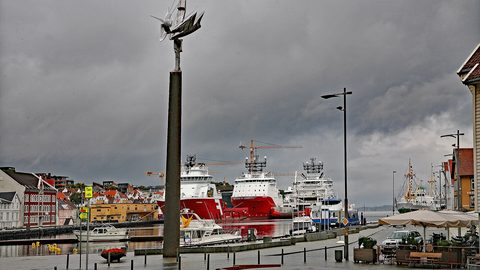
 Eating in Stavanger without emptying your Norwegian bank account
Norwegian food prices hit hard the first time you see a menu in Stavanger. We found ways to eat well anyway, from supermarket picnics to the one fish soup worth the splurge.
-
 Stavanger Things to Do When Pulpit Rock Is Not the Whole Trip
Stavanger things to do beyond Pulpit Rock: street art in Storhaug, bakeries in Pedersgata, the Petroleum Museum, and waterfront saunas for rainy days.
-
 Norway, the Country the Photographs Undersell and the Prices Oversell
Norway costs more than the brochures admit and looks better than the photographs can prove, a country where the krone hurts and the light makes up for it.
-
 Walking Australia's Long-Distance Trails Without a Tour Company
Plan the Bibbulmun, Larapinta, and Overland Track without a tour company. Real permit costs, resupply gaps, and honest nightly budgets.
-
 SIMs, eSIMs and Staying Connected on Long-Distance Walking Routes
Honest look at mobile connectivity on long-distance walking routes. Real costs of local SIMs vs eSIMs, rural coverage gaps, and activation headaches in border zones.