Day Trips from Denver: Boulder, Red Rocks, Golden, and Rocky Mountain National Park Without the I-70 Misery
Day trips from Denver ranked by honesty: Golden via light rail, Boulder by FF1 bus, Red Rocks for a morning hike, and Rocky Mountain National Park only with a timed-entry permit and an early start.
Six thirty on a June Saturday, and the westbound traffic on I-70 is already crawling at 15 miles an hour past the C‑470 interchange. The drivers who left Denver at six are clear of Floyd Hill and watching the sun hit the ridge. The ones who waited until seven are staring at a ribbon of brake lights that will stretch for the next hour and a half.
Every worthwhile day trip from Denver has a gatekeeper. An interstate that turns into a parking lot by 7 AM. A timed entry permit system that sells out in under five minutes. Sometimes both. Here are the four classic escapes, ranked by honesty: how much trouble they actually take, what fails first, and whether the reward matches the friction. The list runs from the trip that costs almost nothing in time or money down to the trip that demands you wake before your alarm and still might not work out.
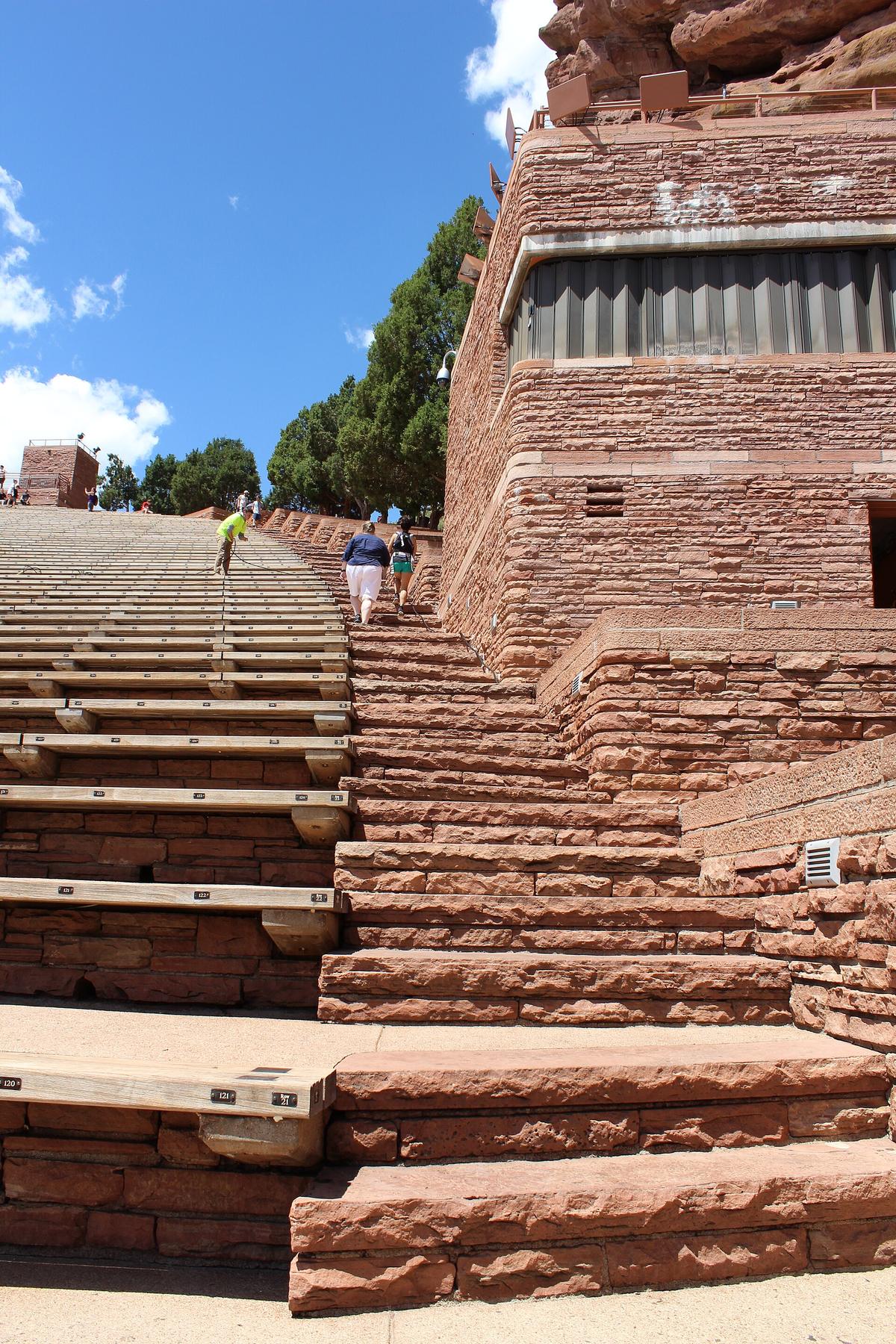

Day Trips from Denver Ranked by Actual Effort
The ranking answers the question every Denver visitor asks after their first afternoon on I-70: which trips are worth the drive, and how do you handle the permit systems that can shut you out? The answer shifts depending on what you want to do and how early you can get moving, but the order holds for most people on most days.
| Trip | Drive Time One Way | Public Transit Option | Gatekeeper | Best Move |
|---|---|---|---|---|
| Golden | 25-40 min | W-Line light rail from Union Station | None | Take the W-Line and skip the car entirely |
| Boulder | 35-55 min | FF1 Flatiron Flyer from Union Station | Chautauqua parking fills by 07:30 weekends | Ride the FF1 bus, no car needed |
| Red Rocks Park | 30-45 min | None practical | Concert day closures, upper lots fill by 08:00 summer weekends | Go on a non concert morning, leave by 06:30 |
| Rocky Mountain National Park | 1h30-2h30 (Bear Lake corridor) | Bustang Outrider weekend only, last return early afternoon | Timed entry permit + Bear Lake corridor reservation required 23 May, mid October | Book Bear Lake permit on 1 May at 08:00 MT, leave Denver by 05:30, enter before 09:00 |
| Mount Evans Scenic Byway | 1h30-2h00 | None | Timed entry reservation + road closes without notice for afternoon storms | Skip the summit reservation; do Idaho Springs instead |
Golden: the Easy Win Via the W-Line Light Rail
Golden is the only trip on this list with no gatekeeper. No permit, no reservation, no interstate. Denver Union Station to downtown Golden on the RTD W-Line light rail takes 40 minutes and costs a few dollars via the RTD MyRide app. The train drops you a five minute walk from the Coors Brewery tour entrance, though the tour itself has been suspended since 2020 with no announced 2026 reopening date, so check Molson Coors's website before you plan around it. The real draw is Clear Creek: a shallow, fast running river that cuts through town with a paved path on both banks. Walk east from Washington Street and you are on the creek in under ten minutes.
Golden solves the two complaints that kill other trips: parking and traffic. You never touch I-70. The train runs from early morning to past midnight, so there is no return deadline except the last train. The downside is that Golden is a small town. You can cover the downtown grid, the Colorado School of Mines geology museum, and the creek path in three hours. It works best as a half day with a clear purpose: a relaxed afternoon on the water, a brewery crawl that does not require a designated driver, or a visit to the museum if you have a child who likes rocks. If you want a full day of alpine scenery, move down the list.
Denver to Boulder Day Trip: Car Free on the FF1 Flatiron Flyer
The FF1 Flatiron Flyer bus runs from Denver Union Station to Boulder in 35 to 45 minutes. It drops you at the Boulder Transit Center, a ten minute walk from the Pearl Street Mall pedestrian zone and a 20 minute walk from the Chautauqua trailhead that leads up to the Flatirons. The bus uses the US‑36 bus shoulder lane, so it is marginally faster than a car during weekday commuter peaks and significantly faster on weekend afternoons when the highway clogs.
Boulder rewards car free travel because the car is the problem. The Chautauqua trailhead parking lot fills by 07:30 on weekends from May through October. Street parking within a mile of the trailhead is gone by 08:00. The City of Boulder runs a free Park to Park shuttle on Saturdays, Sundays, and holidays from Memorial Day through Labor Day, but it only connects the downtown parking garages to Chautauqua and does not solve the core issue: you need to be on the trail by 08:00 or you will be walking from a garage in town. The FF1 bus solves this because you do not need to park at all. Get off at the transit center, walk to the HOP bus stop, ride the free shuttle to Chautauqua, and you are on the path to the first Flatiron overlook by 08:15.
What To Do In Boulder
Pearl Street Mall is the obvious stop: a four block pedestrian mall with street performers, patio dining, and a bookshop that has been there since the 1970s. But the real draw is the hiking. The Chautauqua trail network offers routes from a gentle 1‑mile meadow loop to the 3‑mile round trip up the First Flatiron itself. The trailhead sits at elevation, so a visitor from sea level will feel the grade before they reach the top of the meadow. Drink water before you feel thirsty, skip the IPA at the brewery until after you come down, and expect to breathe harder than you would at home.
When Boulder Is Not Worth It
If you do not want to hike and you are not interested in the Pearl Street Mall scene, Boulder is a 40 minute bus ride to a suburban downtown. The flatirons are the whole argument for the trip. A rainy day, a midday arrival, or a group that cannot handle a steep trail will find Boulder underwhelming. In that case, stay on the W‑Line and go to Golden instead.
Red Rocks Day Trip with No Concert: a Morning Hike Before the Crowds
Red Rocks Park and Amphitheatre is free to enter on days with no concert scheduled, but the park closes to non ticket holders by mid afternoon on show days. The concert schedule is published on RedRocksOnline.com. Check it before you leave Denver. On a non concert day, the park opens at 05:00 and the upper parking lots fill by 08:00 on summer weekends. Arrive by 07:00, park in the upper lot, and do the Trading Post Trail before the heat and the tour groups arrive.
The Trading Post Trail is a short loop that runs along the base of the sandstone monoliths and gives you the same view the concertgoers see from the amphitheatre seats, minus the crowd noise. The trail gains about 300 feet of elevation with a few steep switchbacks. At 6,450 feet, that 300 feet will remind you that Denver itself is a mile high and the foothills are higher still. Plan on 45 minutes to an hour for the loop, plus another 20 minutes to sit in the amphitheatre and look at the stage from row 40.
The Failure Modes
Arrive after 08:00 on a summer weekend and the upper lots are full. You park in the lower lots and climb 200 stairs to reach the amphitheatre level. At 6,450 feet, that stair climb is a serious effort for a visitor who has not acclimatised. Arrive on a concert day after early afternoon and the park is closed to you entirely. Come in January or February and the trail can be icy, with wind at the amphitheatre strong enough to knock a person off balance. Red Rocks is a morning mission: leave Denver by 06:30, hike by 07:15, be back in the car by 09:00.
Rocky Mountain National Park Timed Entry: the Permit That Sells Out in Minutes
Rocky Mountain National Park is the most ambitious day trip from Denver and the one most likely to fail if you do not plan it like a military operation. The drive from Denver Union Station to the Beaver Meadows entrance on US‑36 takes 1 hour 30 minutes to 2 hours 15 minutes depending on I‑25 and US‑36 congestion and Boulder weekday commuter peaks. The Fall River entrance on US‑34 adds 5 to 10 minutes. On a summer Saturday with a 07:00 departure, the one way drive can hit 2 hours 30 minutes.
The timed entry permit requirement runs from 23 May through mid October, with the exact end date set by the park each spring. The Bear Lake Road corridor, where the best alpine hikes start, requires a separate reservation for access between 05:00 and 18:00. The first block of Bear Lake corridor reservations is released on 1 May at 08:00 Mountain Time on Recreation.gov. These sell out within 3 to 5 minutes. Additional reservations are released the night before each entry date and sell out almost instantly. The reservation fee is a couple of dollars per vehicle, non refundable, and you still pay the park entrance fee. Expect to pay around $30 for a 1 day pass or $35 for a 7 day pass, set by the National Park Service and confirmed on the park website. You can enter the park without a timed entry reservation before 09:00 or after 14:00, but you still cannot access the Bear Lake Road corridor without a reservation between 05:00 and 18:00.
The Minimum Viable Day
A day trip from Denver to Rocky Mountain National Park and back, including 2 hours inside the park, requires 8 to 10 hours minimum. The elevation gain matters: Denver is 5,280 feet, Estes Park town center is 7,522 feet, the Bear Lake trailhead is 9,475 feet, and the Alpine Visitor Center on Trail Ridge Road is 11,796 feet. Altitude sickness symptoms can begin above 8,000 feet, which means Bear Lake and every trail above it are within the risk zone. Spend your first day in Denver acclimatising, drink water during the drive, and keep the hike plan modest. A 3 mile round trip at Bear Lake is a serious effort for a sea level visitor on day two.
When To Skip Rocky Mountain National Park
If you cannot get a Bear Lake corridor reservation, or if you cannot leave Denver by 05:30 to hit the 09:00 entry window, the trip becomes a 4‑hour round drive for a glimpse of the park from the Beaver Meadows entrance. Trail Ridge Road is closed from mid October through late May and can close without notice in any summer month for snow, ice, or high wind, with no advance warning beyond same day park alerts. The Bustang Outrider bus from Denver Union Station to Estes Park runs Saturdays and Sundays only from late May through late September and costs $10 each way, but the last return bus leaves Estes Park in the early afternoon, which gives you no time for Trail Ridge Road or longer hikes. If the permit system, the drive time, and the altitude risk all sound like too much, do Idaho Springs instead.
Mount Evans Scenic Byway Reservation: When it is Not Worth the Summit Hassle
Mount Blue Sky, formerly known as Mount Evans, is a summit on CO‑5 that requires a timed entry reservation for the summit road from late May through mid September. The drive from Denver Union Station takes 1 hour 30 minutes to 2 hours, and the road closes without notice for afternoon thunderstorms, snow, or high wind. The summit section can shut down while you are still in line at the reservation checkpoint, and there is no alternative summit access when that happens. The reservation costs a couple of dollars per vehicle plus the standard recreation fee, booked on Recreation.gov.
The core problem with Mount Blue Sky is that the summit experience is a 20 minute stop at elevation where you take a photo and descend. The drive up is spectacular, but the view from the top is the same view you get from the switchbacks lower down. The summit sits at 14,264 feet, above the threshold where most people feel a headache, shortness of breath, or nausea within 10 minutes of getting out of the car. For a day trip from Denver, the 3 to 4 hour round drive plus the reservation hassle plus the risk of a weather closure adds up to a low reward per unit of effort.
The Better Call: Idaho Springs
Idaho Springs is a 35 to 50 minute drive from Denver on I‑70, with no reservation required and no timed entry. The town is a former gold rush settlement with a historic downtown, the Indian Hot Springs geothermal cave baths, and the original Beau Jo's pizza location. Beau Jo's serves the Denver style thick, honey sweetened dough pizza with edge to edge toppings that defines the local style. The Indian Hot Springs cave baths charge an adult admission set by the operator and confirmed on their website, for a 2 hour session, but they reach capacity by 10:00 on weekends and do not take reservations for the cave baths. Arrive by 09:00 or go on a weekday. Idaho Springs is a full day trip that does not require a permit, does not close without warning, and does not subject you to altitude sickness. It is the trip to take when Mount Blue Sky sounds like a hassle, because it is.
Golden Colorado Coors Tour Light Rail: the One Trip That Always Works
The W-Line light rail from Denver Union Station to Golden is the single most reliable day trip from Denver. The train runs every 15 to 30 minutes, costs a few dollars for a three hour pass via the RTD MyRide app, and takes 40 minutes. The Coors Brewery tour is suspended with no announced 2026 reopening date, but the Golden visitor center and the Colorado School of Mines geology museum are both open and free. Clear Creek runs through the center of town with a paved path, public benches, and a shallow section where children can wade in summer. The downtown Washington Street block has a brewpub, a coffee roaster, and a candy shop that has been open since the 1950s. If you have a free afternoon and you want to see the foothills without a car, this is the trip. The downside is that Golden is 25 minutes from Denver by car and the town is small enough that you can see everything worth seeing in four hours. It is a half day, not a full day. Treat it as the trip you take on arrival day when you are too jet lagged for a big drive, or on departure day when you need to be back at Denver International Airport by 15:00.
Common Questions
Do I need a car for day trips from Denver?
No. Golden is reachable on the W-Line light rail. Boulder is reachable on the FF1 Flatiron Flyer bus. Both leave from Denver Union Station. For Rocky Mountain National Park, the Bustang Outrider bus runs weekends only from late May through late September and costs $10 each way, but the last return bus leaves Estes Park in the early afternoon, which limits your time. Red Rocks and Mount Blue Sky require a car or a rideshare.
What is the earliest I should leave Denver for a mountain day trip?
For Rocky Mountain National Park, leave by 05:30 to reach the Beaver Meadows entrance before the 09:00 permit free window ends. For Red Rocks on a summer weekend, leave by 06:30 to get an upper lot parking space. For Boulder on a weekend, the FF1 bus at 07:00 from Union Station gets you to the Chautauqua trailhead by 08:00, which is the latest you should arrive.
When do Rocky Mountain National Park timed entry permits sell out?
Bear Lake Road corridor reservations released on 1 May at 08:00 Mountain Time on Recreation.gov sell out within 3 to 5 minutes. Night before releases sell out almost instantly. If you miss both, you can enter the park before 09:00 or after 14:00 without a permit, but you cannot access the Bear Lake Road corridor without a reservation between 05:00 and 18:00.
How does altitude affect a day trip from Denver?
Denver is 5,280 feet. Estes Park is 7,522 feet. Bear Lake trailhead is 9,475 feet. The Alpine Visitor Center on Trail Ridge Road is 11,796 feet. Altitude sickness symptoms can start above 8,000 feet. Drink water during the drive, skip alcohol until after the hike, and keep your first day hike under 3 miles round trip. A casual beer at Denver elevation hits like two, and a short walk becomes a breathless affair.
What is the single best day trip for someone who does not want to drive?
Golden on the W-Line light rail. No permit, no reservation, no I-70 traffic, no parking search. The train drops you a five minute walk from Clear Creek. The round trip costs a few dollars for the three hour pass and takes 80 minutes of travel time total. The downside is that Golden is small and you will have seen it in four hours, but for a low effort afternoon it is the only trip that works every time.
Read next
-
 Denver to the ski slopes without losing your mind on I-70
Denver sits close to world-class skiing but the I-70 corridor turns a short drive into a test of patience. Here is how to handle the traffic, the shuttles and the traction laws.
-
 Where to Stay in Denver for a City Weekend or a Mountain Start
Choose where to stay in Denver based on your real plans: Union Station for transit access, RiNo for brewery density, or Cherry Creek for polished comfort, not mountain views.
-
 Denver Things to Do Beyond a Brewery List
Denver things to do that go past the brewery list: immersive art at Meow Wolf, empty-stage hikes at Red Rocks, and the Clyfford Still Museum's abstract expressionist powerhouse.
-
 Denver Best Time to Visit by Season Snow Smoke Storms and Event Weekends
The best time to visit Denver depends on what you trade: June brings Red Rocks and hail, September offers peaches and thinner crowds, and January means empty museums but Stock Show hotel spikes.
-
 A Denver Weekend Itinerary That Does Not Pretend the Rockies Are Downtown
A Denver itinerary for a weekend that separates city from mountains honestly: one urban day, one early-departure mountain day, and one neighborhood deep-dive in RiNo or Tennyson.
-
 Eating in Denver Green Chile Food Halls and the Brewery Problem
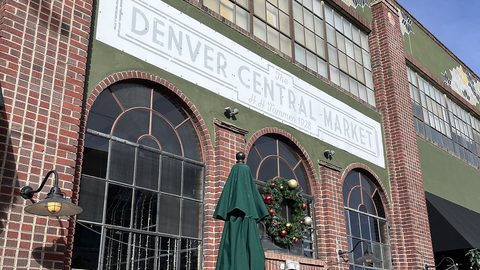
Eating in Denver means green chile, food halls like Denver Central Market, and a landlocked oyster obsession—here is where to go when you are tired of breweries.
-
 Walking Australia's Long-Distance Trails Without a Tour Company
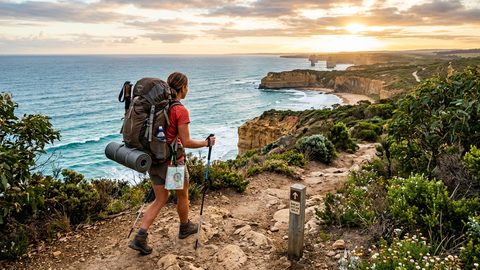
Plan the Bibbulmun, Larapinta, and Overland Track without a tour company. Real permit costs, resupply gaps, and honest nightly budgets.
-
 SIMs, eSIMs and Staying Connected on Long-Distance Walking Routes
Honest look at mobile connectivity on long-distance walking routes. Real costs of local SIMs vs eSIMs, rural coverage gaps, and activation headaches in border zones.