Best Time to Visit Denver: How to Pick Between Snow, Smoke, Storms, and Stock Show
The best time to visit Denver depends on what you trade: June brings Red Rocks and hail, September offers peaches and thinner crowds, and January means empty museums but Stock Show hotel spikes.
Denver Best Time to Visit: How to Pick Between Snow, Smoke, Storms, and Stock Show
Denver's '300 days of sunshine' is a real statistic that hides three real problems. Summer afternoon thunderstorms roll in between 14:00 and 16:00 local time from June into August, bringing hail up to 2.75 inches in diameter. August wildfire smoke from the Pacific Northwest, Northern Rockies, and Colorado's own Western Slope can push Air Quality Index readings above 150. Come January, the National Western Stock Show floods the city with 700,000 visitors over 16 days, spiking hotel rates citywide. Pick your month by deciding which of those tradeoffs you can live with.
You are not visiting a mountain town. Denver sits at 5,280 feet on the high plains, 30 to 45 minutes from the foothills by car. The altitude hits harder than you expect: a single craft beer feels like two, a short walk leaves you breathless, and dry skin and nosebleeds are common complaints from visitors arriving from humid regions. Pack for the semi-arid reality, not the postcard. The sections that follow name the specific avoidance windows, date the peak-season hotel squeeze, and tell you exactly which month to pick for your priorities.
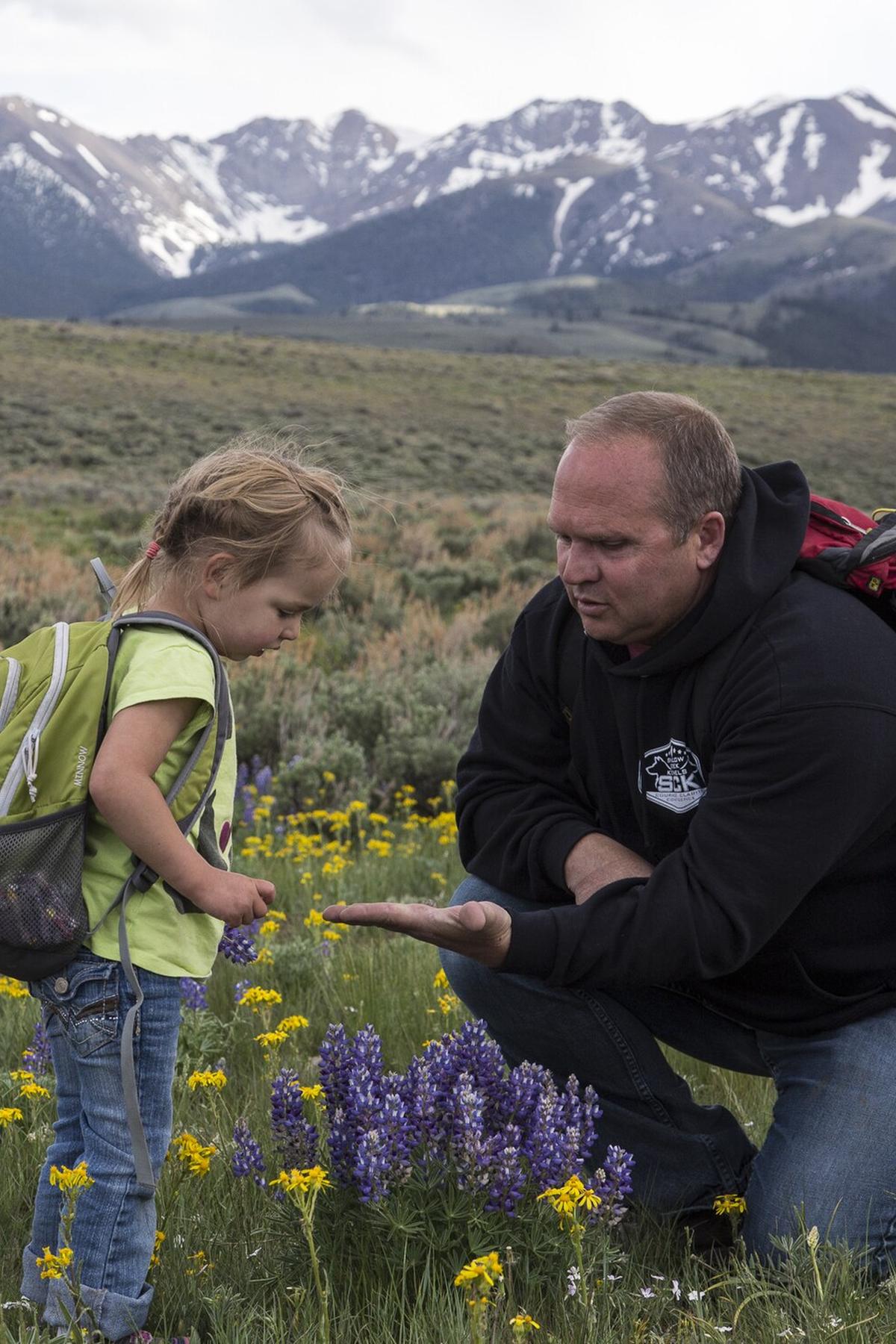

Denver Seasons Guide
Denver has four distinct seasons, but the tourist calendar collapses into two: peak season from June into September, and everything else. Peak season brings warm, dry weather, a relentless calendar of outdoor festivals, and peak hiking conditions. It also brings the highest hotel rates and the worst I-70 gridlock. The shoulder seasons of April and October have the lowest average hotel occupancy and fewer crowds, but come with their own risks: the average last spring freeze is 5 May, and the average first autumn freeze is 5 October. A late-April trip could see snow. An early-October trip could see the first freeze of the season.
Spring: March Into May
March and April are the cheapest months to fly into Denver International Airport (DEN) and find a room near Union Station. The downside is weather whiplash. Denver's record earliest measurable snow was 4 September 1961, and the record latest measurable snow was 11 June 2007. A sunny 60°F morning can turn into an afternoon hailstorm. Pack layers and a waterproof shell. The upside: the Denver Botanic Gardens peak bloom runs mid-May into mid-June for iris and peony collections, and Red Rocks concert season picks up in late April.
Summer: June Into August
June is the sunniest month by mean daily solar radiation, at 6.8 kWh/m². It is also the peak month for Denver hotel occupancy and average daily rate. The tradeoff: nearly every afternoon sees a thunderstorm, and Red Rocks has a lightning evacuation protocol that suspends shows and directs patrons to hard-sided vehicles or the Visitor Center with no refund under 75 minutes. July brings the Cherry Creek Arts Festival (3-5 July 2026) and the worst wildfire smoke risk. August is the hottest month and the peak of smoke season.
Fall: September Into November
September is the best month for weather and crowds. The Palisade peach window peaks, aspen fall color hits the 8,000-10,000 foot elevation band from 20 September to 5 October, and the afternoon thunderstorms taper off. The risk: the Great American Beer Festival in October (8-10 October 2026) sells out in under 15 minutes and compresses hotel rates across the city. October also carries the highest shoulder-season hotel compression risk due to convention calendar overlap at the 2.2 million-square-foot Colorado Convention Center.
Winter: December Into February
December is the low month for Denver hotel occupancy and average daily rate, the cloudiest month at 2.3 kWh/m², and the cheapest time to visit. The catch: the National Western Stock Show (9-24 January 2027) floods hotels with stock show attendees. If you are not attending, avoid that window entirely. The Winter Park Express ski train from Denver Union Station to Winter Park Resort runs 9 January to 29 March 2026, with one-way adult fares from $34 to $69, yield-managed. Denver averages 56.5 inches of snow annually over 31.5 days, but a 45°F February afternoon on a sunny patio feels like spring. Pack for 15°F in the mountains, not Denver.
Denver June vs September Weather
June and September are the two months most visitors compare. Here is the data that matters.
June has the highest mean daily solar radiation of any month (6.8 kWh/m²) but also the most consistent afternoon thunderstorm risk. Storms onset between 14:00 and 16:00 local time and can produce hail up to baseball size. If you plan to hike, get off the trail before the storms typically fire up. September has 1.5 fewer hours of daylight and lower solar radiation, but the storm pattern breaks. Afternoon showers are less frequent and less severe. Palisade peaches appear on menus, and the aspen color at 8,000-10,000 feet peaks from 20 September to 5 October, plus or minus seven days depending on summer moisture.
The tradeoff: June has the highest hotel rates of the year. September rates are lower until the Great American Beer Festival (8-10 October 2026) compresses availability. If you want to hike at altitude, June gives you more snow-free trails above treeline. If you want to drink craft beer outside without getting rained on, pick September.
| Month | Weather Risk | Crowd Level | Hotel Rate | Key Event |
|---|---|---|---|---|
| January | Snow, cold | Low, except Stock Show | Low, except Stock Show | National Western Stock Show (9-24 Jan 2027) |
| February | Snow, cold | Low | Low | Winter Park Express ski train season |
| March | Snow, freeze risk | Low | Low | Red Rocks season begins late month |
| April | Snow, freeze risk | Lowest | Lowest | Lowest hotel occupancy month |
| May | Afternoon storms begin | Moderate | Moderate | Botanic Gardens peak bloom mid-month |
| June | Hail, thunderstorms 14-16:00 | Peak | Highest | Peak hotel occupancy and rate |
| July | Smoke, heat, storms | Peak | High | Cherry Creek Arts Festival (3-5 Jul 2026) |
| August | Smoke peak, storms | Peak | High | Wildfire smoke risk highest |
| September | Smoke possible, fewer storms | High | Moderate | Palisade peach window, aspen color begins |
| October | First freeze risk, smoke possible | Moderate | Moderate, compressed by conventions | Great American Beer Festival (8-10 Oct 2026) |
| November | Snow possible | Low | Low | Ski season ramp-up |
| December | Snow, cold, least sun | Lowest | Lowest | Lowest hotel rate month |
Denver Summer Festival Calendar
Denver's summer festival calendar runs from Memorial Day weekend through Labor Day weekend, and every weekend in between has something that jams I-70 and fills hotels. The key dates for 2026: the Cherry Creek Arts Festival runs 3-5 July, Red Rocks concert season runs April into October with advance booking required, and the Great American Beer Festival runs 8-10 October. The National Western Stock Show (9-24 January 2027) is not a summer event, but it is the single biggest driver of hotel rate spikes in the city.
Coming for a specific festival? Book your room at least eight weeks ahead. Trying to avoid crowds? Skip any weekend that contains a holiday. The worst windows are Memorial Day weekend, July 4th weekend, and Labor Day weekend, when I-70 gridlock turns a 60-mile mountain drive into a three-hour parking lot. The failure case: you book a room near Union Station thinking you can walk to the 16th Street Mall Ride, which is a slow, free shuttle on a single street, not a city circulator. You cannot. Use the RTD light rail or a rideshare.
Denver Wildfire Smoke Season
Wildfire smoke is not a hypothetical risk. It is a seasonal reality that affects Denver between July and September. The smoke comes from four source regions: the Pacific Northwest, the Northern Rockies, Colorado's Western Slope, and the Front Range foothills. In 2020, the Denver metro area recorded 14 days with an Air Quality Index above 150. In 2021, it was 9 days. In 2023, it was approximately 2 days (verify with CDPHE data for the confirmed figure). The trend is not improving.
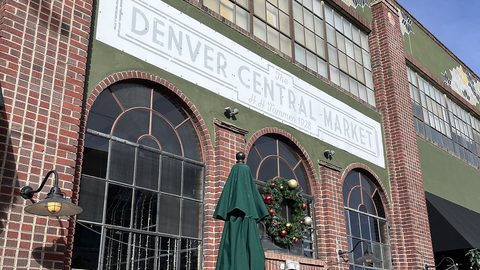
What this means for your trip: if you book a visit in August, you have a measurable chance of spending your time indoors with air quality warnings. The Denver Art Museum, Meow Wolf Denver (Convergence Station), and the Clyfford Still Museum are good backup plans. The Denver Central Market food hall works as a smoke-day refuge. Set on hiking? Drive west past the Eisenhower Tunnel (elevation 11,158 feet) where the air often clears. Check AirNow.gov before you book, and have a Plan B for every outdoor day between July and September.
National Western Stock Show Hotel Prices
The National Western Stock Show (9-24 January 2027) is the single biggest event-driven hotel rate spike in Denver. The stock show complex sits on I-70 at Brighton Boulevard, exit 275B, and draws 700,000+ visitors over 16 days. Rates at hotels near Union Station, LoDo, and RiNo can double or triple during that window. The Winter Park Express ski train boardings at Union Station add further compression on weekends.
Must you visit Denver in January without attending the stock show? Book a hotel in Cherry Creek or the Santa Fe Arts District, or wait until the stock show ends on 24 January. Attending? Book your room at least 12 weeks ahead. The failure case: arriving on 10 January expecting a normal January rate and finding nothing near downtown at a price that resembles a typical winter night.
Common Questions
What is the cheapest month to visit Denver?
December is the low month for hotel occupancy and average daily rate, and the cloudiest month at 2.3 kWh/m². April has the lowest hotel occupancy. Both months carry snow risk, but the 300 days of sunshine stat means a 45°F February afternoon on a sunny patio feels like spring.
When is the National Western Stock Show and how does it affect hotel prices?
The National Western Stock Show runs 9-24 January 2027 at the complex on I-70 at Brighton Boulevard, exit 275B. It floods the city with 700,000+ visitors over 16 days, spiking hotel rates citywide. If you are not attending, avoid that window entirely.
Is August a bad time to visit Denver because of wildfire smoke?
August is the peak month for wildfire smoke risk, but it is not guaranteed. In 2023 the Denver metro area recorded only about 2 days with AQI above 150. The risk is real but intermittent. Book a flexible itinerary and have indoor options ready.
How bad is I-70 traffic on summer weekends?
Bad enough that a 60-mile mountain drive can take 3+ hours if you leave after 6:30 AM on a Saturday. Westbound traffic stacks up Friday evenings, eastbound on Sunday afternoons, from Floyd Hill through the Eisenhower-Johnson Memorial Tunnel. The express lane toll from Floyd Hill to Vail ranges from $2.50 to $40, dynamic by segment and congestion.
What is the best month for hiking in Denver?
September. The afternoon thunderstorm pattern breaks, Palisade peach menus appear, and aspen color at 8,000-10,000 feet peaks from 20 September to 5 October. June has more snow-free trails above treeline but brings daily hail risk from thunderstorms between 14:00 and 16:00.
Read next
-
 Denver to the ski slopes without losing your mind on I-70
Denver sits close to world-class skiing but the I-70 corridor turns a short drive into a test of patience. Here is how to handle the traffic, the shuttles and the traction laws.
-
 Where to Stay in Denver for a City Weekend or a Mountain Start
Choose where to stay in Denver based on your real plans: Union Station for transit access, RiNo for brewery density, or Cherry Creek for polished comfort, not mountain views.
-
 Denver Things to Do Beyond a Brewery List
Denver things to do that go past the brewery list: immersive art at Meow Wolf, empty-stage hikes at Red Rocks, and the Clyfford Still Museum's abstract expressionist powerhouse.
-
 A Denver Weekend Itinerary That Does Not Pretend the Rockies Are Downtown
A Denver itinerary for a weekend that separates city from mountains honestly: one urban day, one early-departure mountain day, and one neighborhood deep-dive in RiNo or Tennyson.
-
 Eating in Denver Green Chile Food Halls and the Brewery Problem
Eating in Denver means green chile, food halls like Denver Central Market, and a landlocked oyster obsession—here is where to go when you are tired of breweries.
-
 Walking Australia's Long-Distance Trails Without a Tour Company
Plan the Bibbulmun, Larapinta, and Overland Track without a tour company. Real permit costs, resupply gaps, and honest nightly budgets.
-
 SIMs, eSIMs and Staying Connected on Long-Distance Walking Routes
Honest look at mobile connectivity on long-distance walking routes. Real costs of local SIMs vs eSIMs, rural coverage gaps, and activation headaches in border zones.