A Step Free South Bank Walk From Westminster to Tower Bridge
A practical guide to A Step Free South Bank Walk From Westminster to Tower Bridge.
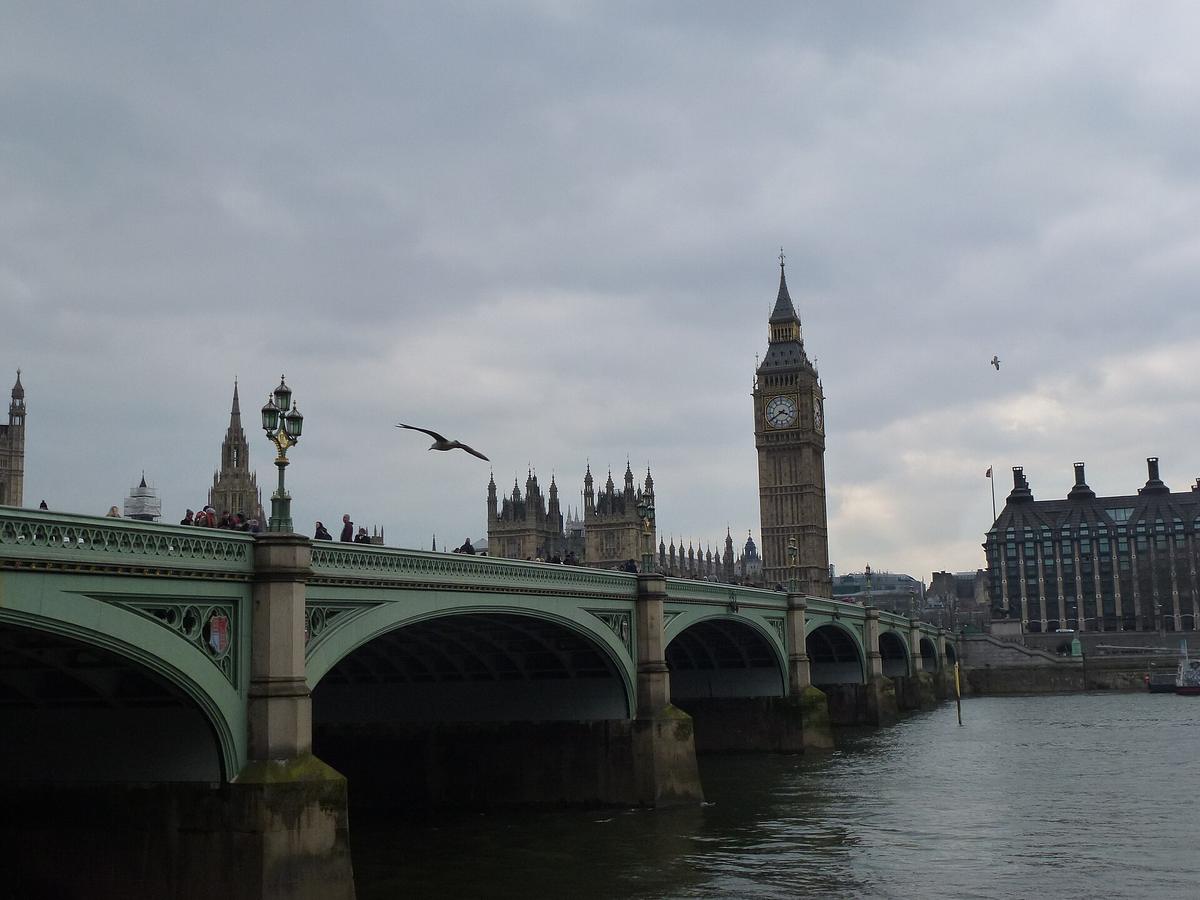

Planning a step-free route along the Queen’s Walk
The riverside walking route between Westminster Bridge and Tower Bridge is officially named the Queen’s Walk. It forms part of the Jubilee Walkway and follows the south bank of the Thames through central London. The path is predominantly flat, paved and level throughout, with a mainly flagstone paving surface. The full distance from Westminster Bridge to Tower Bridge via the Queen’s Walk is approximately 2.4 to 3 miles.
A walk of this length rewards planning, especially when step-free access is essential. The riverside path itself is accessible once you reach it, but several bridge access points involve steps. Knowing which entry points offer lifts or ramps, and where you will need a short detour, makes the difference between a relaxed outing and a frustrating one. The notes that follow describe the step-free options available at each major access point, working east from Westminster.
Starting near Westminster Bridge
The direct descent from Westminster Bridge down to the Queen’s Walk uses three sets of steps, totalling 23 steps. For a step-free start, continue along Westminster Bridge Road and turn left into Belvedere Road. From there you can approach the riverside through Jubilee Gardens or via County Hall. Both routes bring you onto the Queen’s Walk without steps.
This small detour adds only a few minutes and places you directly opposite the London Eye and County Hall. The paving along this stretch is broad flagstone, and the river views open up immediately once you reach the embankment. If you are arriving by public transport, the Belvedere Road approach also connects naturally with the step-free routes serving the Southbank Centre area.
Golden Jubilee Bridges and the Southbank Centre
The Golden Jubilee Bridges, the two footbridges that flank Hungerford Railway Bridge, offer lifts at both ends. These lifts provide step-free access between bridge level and the Queen’s Walk riverside path. This makes the bridges a useful crossing point if you are arriving from the Embankment or Charing Cross side of the river, and a reliable step-free entry to the walk itself.
Close to the bridges, the Southbank Centre’s Royal Festival Hall has step-free access via an external lift near the Artists’ Entrance on Southbank Centre Square, Belvedere Road. The lift rises to Level 2. Accessible toilets are available on every level, and a Changing Places toilet is located on Level1. Because lift refurbishment works can temporarily affect step-free routes here, it is sensible to check the current status with the Southbank Centre before you visit.
Waterloo Bridge and the IMAX detour
Waterloo Bridge presents one of the more significant step-free challenges along the route. Both sides of the bridge connect to the Queen’s Walk via flights of approximately 69 to 70 steps. The step-free alternative is to stay on the bridge until you reach the roundabout with the IMAX Cinema, then use the access road to Belvedere Road and Upper Ground. From Upper Ground, step-free routes lead back to the riverside.
This detour takes you away from the water for a short while, but the route is straightforward and well-surfaced. If you are pushing a wheelchair or managing limited mobility, the extra distance is a worthwhile trade-off for avoiding a long staircase. Once you rejoin the Queen’s Walk, the path remains level and paved all the way toward Blackfriars.
Blackfriars Bridge and Marigold Alley
Like Waterloo Bridge, Blackfriars Bridge has stepped access on both sides down to the Queen’s Walk. The nearest step-free bypass is Marigold Alley, a pedestrian route that runs between Upper Ground and the riverside path. Marigold Alley has two ramps with a slight gradient and handrails on both sides, making it a practical alternative for those who need to avoid steps.
The alley is easy to miss if you are not looking for it, so it helps to identify the turning from Upper Ground before you set out. Once you descend the ramps, you emerge directly onto the Queen’s Walk, with the river immediately ahead and Tate Modern visible a short distance to the east.
Tate Modern and the Millennium Bridge
Tate Modern’s main entrance uses the Turbine Hall ramp on Holland Street, which provides step-free access into the gallery. A second step-free entrance is available via the Blavatnik Building on Sumner Street, on the Park Street side. Inside, there is a Changing Places toilet on Level0 of the Natalie Bell Building, accessible with a RADAR key, and fully accessible toilets on every floor.
Directly outside Tate Modern, the Millennium Bridge crosses the Thames as a pedestrian-only footbridge. It has step-free ramped approaches and lifts at both ends, offering an accessible crossing between the south bank and St Paul’s Cathedral on the north bank. If you want to break the walk into two halves, this is a natural place to leave the riverside or to join it from the City.
Approaching Tower Bridge
East of the Millennium Bridge the Queen’s Walk continues past HMS Belfast and through the More London development toward Tower Bridge. The path remains level and paved. Tower Bridge itself has two lifts that provide step-free access to the High-level Walkways, one in the North Tower and one in the South Tower. An external lift on the southeast side connects bridge level to the Thames footpath level and the Engine Rooms entrance.
Lift availability at Tower Bridge can change at short notice. The official advice is to contact the bookings team before you travel if step-free access is essential to your visit. The bridge also holds Relaxed Opening sessions on the second Saturday of each month, from 09:30 to 11:30. Dates should be confirmed on the Tower Bridge website before you plan around one of these sessions.
Practical notes for a comfortable walk
The Queen’s Walk is a durable London route that works well for limited mobility when you know the step-free access points in advance. The surface is consistent flagstone paving, and the gradient is flat throughout. Benches and rest spots are scattered along the embankment, though their exact locations shift with seasonal events and riverside programming.
If you plan to include Borough Market in your day, be aware that the market is closed on Mondays. Opening days and hours should be confirmed on the official Borough Market website before you set out. For a shorter walk, you might start at the Golden Jubilee Bridges and finish at the Millennium Bridge, which keeps the distance manageable while still taking in several of the route’s landmarks. For the full 2.4 to 3-mile stretch, allow plenty of time and identify the step-free detours at Waterloo Bridge and Blackfriars Bridge before you go.
Sources and verification
- tfl.gov.uk — Research source checked for this guide
- walklondon.org.uk — Research source checked for this guide
- accessable.co.uk — Research source checked for this guide
- accessable.co.uk — Research source checked for this guide
- tate.org.uk — Research source checked for this guide
- southbankcentre.co.uk — Research source checked for this guide
Read next
-

 London at First Light A Photographer Route Before the City Wakes
A practical guide to London at First Light A Photographer Route Before the City Wakes.
-
 London on Sunday Markets Churches and Closures You Need to Plan Around
-
 A Rainy London Day Built by Neighbourhood Not a List of Museums
Stay dry in South Kensington via the station tunnel between the V&A and Natural History Museum, or spend the day in Clerkenwell from the Barbican to Exmouth Market.
-
 Piccadilly Without Spending the Day in Shops
Visit the Royal Academy, browse Hatchards bookshop, walk the Burlington Arcade, and book afternoon tea at The Wolseley—no Regent Street shopping required.
-
 Hampstead Heath and the Village A London Day That Needs Decent Weather
Climb Parliament Hill for the skyline view, swim in the mixed pond, and retreat to Kenwood House if the weather turns—all from Hampstead station.
-
 Thames Boat or Tube When the Slow Route Earns Its Fare
The Uber Boat beats the Tube on three specific Thames journeys: Bankside to Greenwich, Westminster to Tower Pier, and Blackfriars to Canary Wharf.
-
 Rest Days on a Long Trail How to Choose the Right Town
A practical guide to Rest Days on a Long Trail How to Choose the Right Town.
-
 Solo Long Distance Walking A Check In and Bailout Plan
A practical guide to Solo Long Distance Walking A Check In and Bailout Plan.
-
 West Highland Way or Great Glen Way Which Walk Fits You
A practical guide to West Highland Way or Great Glen Way Which Walk Fits You.