A Rainy London Day Built by Neighbourhood Instead of a List of Museums
Stay dry in South Kensington via the station tunnel between the V&A and Natural History Museum, or spend the day in Clerkenwell from the Barbican to Exmouth Market.
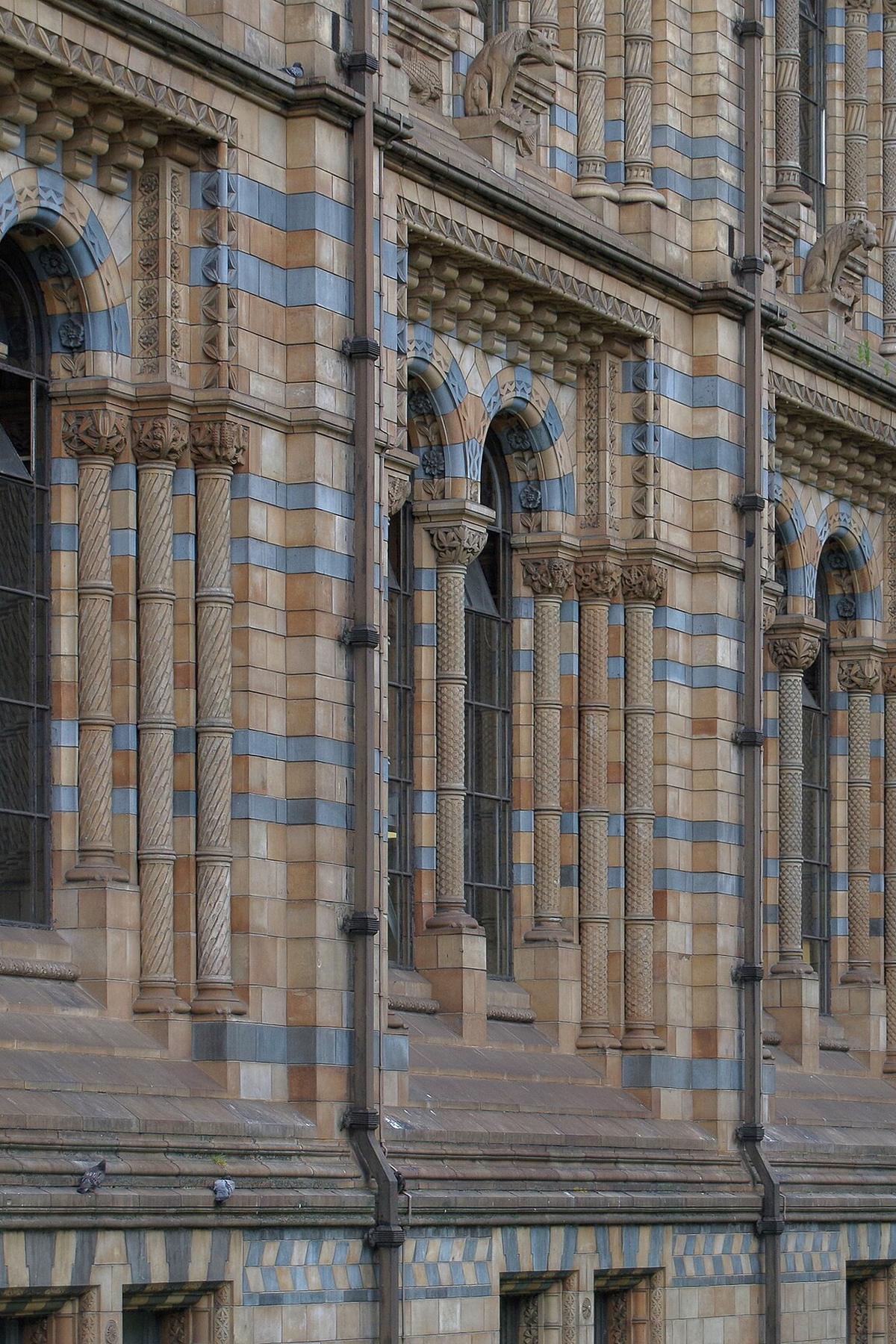

A Rainy London Day Built by Neighbourhood Instead of a List of Museums
The wrong way to plan a rainy London day is to open a map, pick three famous indoor attractions across different zones, and spend the afternoon on the Tube between them. That plan costs you an hour in transit for each move. It leaves you wetter than if you had just walked. The right way is a rainy London day by neighbourhood: two self-contained zones where you exit the Tube into a covered route, spend the entire day indoors without crossing town, and never queue for a taxi in the rain. These covered routes London rain demands are the pedestrian tunnel under Exhibition Road in South Kensington and the Barbican highwalk system in Clerkenwell.
South Kensington Museums Rainy Day: One Tunnel, Three Museums, Zero Rain
Exit South Kensington station (District, Circle, Piccadilly lines) through the pedestrian tunnel that runs under Exhibition Road. The tunnel surfaces directly outside the Victoria and Albert Museum. You do not step onto the street. From that exit, the V&A, the Natural History Museum, and the Science Museum sit within 400 metres of each other. The walk between the furthest two points, from the Science Museum main entrance to the V&A Exhibition Road entrance, takes under five minutes and stays under cover along the tunnel walkway.
Which Museum First, and What It Costs
All three museums charge nothing for general admission. The V&A does not require a timed entry ticket for its free collection; you walk in. The Natural History Museum and the Science Museum require a pre-booked free timed ticket for general entry. Book both at least 48 hours ahead on a rainy forecast. Walk-up entry at the Natural History Museum is subject to capacity, and on wet weekends during school holidays it is refused by 10:30. The Science Museum closes its bag storage 30 minutes before the building closes, so arrive by 15:00 if you plan to check a bag.
Lunch Without Leaving the Building
Eat at the V&A courtyard café. It sits in the covered courtyard on the ground floor, between the sculpture galleries and the shop. The menu runs to sandwiches, quiches, and hot mains. A plate of pasta and a drink costs a modest sum, set by the in-house caterer and subject to change; check the V&A website for current pricing. The café is inside the museum, so you do not need to re-enter through security after lunch.
Bag Storage Strategy and Failure Modes
The V&A left-luggage point, at the main entrance on the ground floor, charges £3 per coat, £5 per small bag, and £7 per large bag or case. Maximum bag size is 56 by 45 by 25 centimetres. On rainy weekend afternoons the queue exceeds 30 minutes. Skip the V&A facility on those days and use the Natural History Museum bag storage in Hintze Hall instead; same prices, shorter queue before 11:30. The Natural History Museum dinosaur gallery timed entry sells out by 11:00 on rainy days, so book that slot before you leave your hotel. The V&A temporary exhibitions cost £15 to £22 in the source material; check current prices before booking, and sell out weekend slots by Friday evening. The Science Museum IMAX costs £12 for adults and £10 for children; simulator rides run £5 to £8 per ride. All prices are set by the museums and change seasonally; confirm on the official site before you go.
Clerkenwell Rainy Day Itinerary: Highwalks, Market Halls, and a Gastropub
Clerkenwell gives you a different kind of dry route: covered highwalks, a market under a roof, and a meal at the restaurant that made bone marrow famous. Start at the Barbican Centre, walk the estate's elevated walkways to Smithfield Market, eat at St John, and finish in a pub on Exmouth Market. You cross no open ground for more than a few seconds. This is one of the finest covered routes London rain can't touch, a chain of indoor and sheltered paths from the Barbican to Exmouth Market.
Start at the Barbican Conservatory
The Barbican Centre hides a free conservatory on its third floor, a glassed-in tropical garden with fish ponds and concrete brutalism outside the windows. It opens from 12:00 to 17:00 on weekdays and 10:00 to 17:00 on weekends. Enter through the Silk Street entrance and take the lift to level 3. The conservatory is part of the Barbican complex, so you walk from the Tube exit at Barbican station (Circle, Hammersmith & City, Metropolitan lines) under cover the whole way using the highwalk system.
Walk the Highwalks to Smithfield Market
Exit the Barbican through the Beech Street exit and follow the covered highwalk south. The walkway connects directly to Smithfield Market, a Victorian meat market that still operates in the early morning but sits empty from midday onward. The market hall is open to the public and dry. Walk the iron and brick arcade to the St John restaurant entrance on the north side of the market.
Eat Roast Bone Marrow at St John
St John serves its roast bone marrow and parsley salad every lunch service. Book a table at least three weeks ahead for a Saturday. The lunch menu is moderately priced for two courses; prices are set by the restaurant and shift with the season. The restaurant opens at 12:00 for lunch and takes walk-ins at the bar if you arrive at 11:45. The bone marrow comes with toast and a small spoon; the parsley salad is sharp, lemony, and necessary.
Finish in a Gastropub on Exmouth Market
Exmouth Market is a pedestrian street of independent shops and pubs, a five-minute walk east of Smithfield. Choose the Exmouth Arms or the more casual Coach and Horses. Both have fireplaces, cask ale, and food menus that run until 21:00. The walk from Smithfield to Exmouth Market is partially covered along Clerkenwell Road; bring an umbrella for the last 50 metres. The street is quieter than Soho and the beer list runs to local London brewers rather than national brands.
Why the British Museum is the Wrong Choice for a Rainy Day
The British Museum sits in Bloomsbury, not Clerkenwell, but the objection applies to anyone considering it as a dry-day default. The Great Court roof, a glass and steel canopy over the central courtyard, makes the building feel like a train station in wet weather. Light pours in through the glass, but the noise echoes off the stone floor and the queues at the information desk stretch across the atrium. The Rosetta Stone in Room 4 draws an impassable crowd between 11:00 and 15:00, worse than usual on rainy days when outdoor attractions close and visitors flood indoors. You get a partial view past shoulders, not a clear sightline. The British Museum requires a pre-booked free timed ticket for general admission; walk-up queues on Great Russell Street exceed 45 minutes on wet afternoons. The left-luggage point at the Great Russell Street entrance reaches capacity by 12:30 on wet days, and no alternative bag storage exists within 500 metres. If you are set on Bloomsbury, the Wellcome Collection at 183 Euston Road, 600 metres north of the British Museum, offers free permanent galleries on medicine and human experience, with free self-service lockers that require a £1 coin, returned. The Wellcome Collection closes on Mondays, so on that day you have no indoor fallback within walking distance except returning to the British Museum.
Read next
-
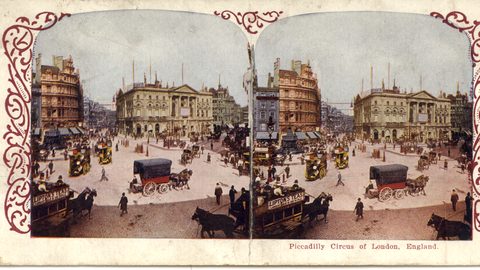
 Piccadilly Without Spending the Day in Shops
Visit the Royal Academy, browse Hatchards bookshop, walk the Burlington Arcade, and book afternoon tea at The Wolseley—no Regent Street shopping required.
Piccadilly Without Spending the Day in Shops
Visit the Royal Academy, browse Hatchards bookshop, walk the Burlington Arcade, and book afternoon tea at The Wolseley—no Regent Street shopping required.
-
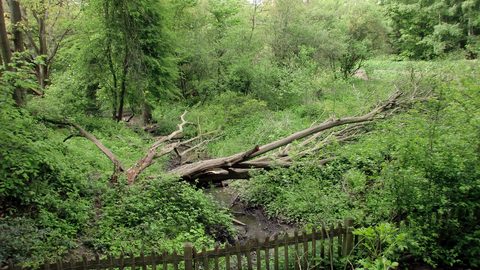 Hampstead Heath and the Village A London Day That Needs Decent Weather
Climb Parliament Hill for the skyline view, swim in the mixed pond, and retreat to Kenwood House if the weather turns—all from Hampstead station.
Hampstead Heath and the Village A London Day That Needs Decent Weather
Climb Parliament Hill for the skyline view, swim in the mixed pond, and retreat to Kenwood House if the weather turns—all from Hampstead station.
-
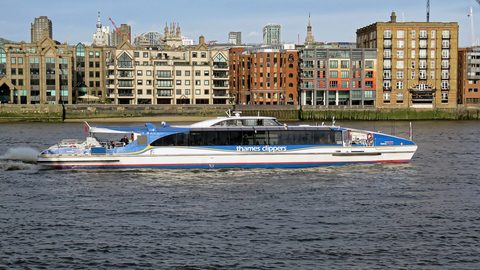 Thames Boat or Tube When the Slow Route Earns Its Fare
The Uber Boat beats the Tube on three specific Thames journeys: Bankside to Greenwich, Westminster to Tower Pier, and Blackfriars to Canary Wharf.
Thames Boat or Tube When the Slow Route Earns Its Fare
The Uber Boat beats the Tube on three specific Thames journeys: Bankside to Greenwich, Westminster to Tower Pier, and Blackfriars to Canary Wharf.
-
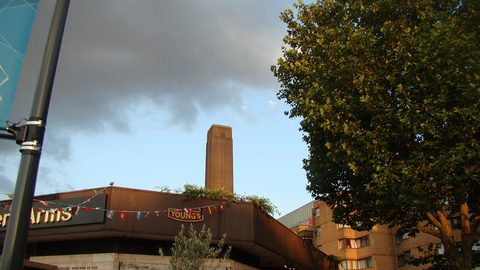 A South Bank Walk That Is Worth Your Time Not an Attraction Checklist
Start at Southwark Bridge, move through Bankside and the Tate Modern's Turbine Hall, then reach Borough Market before the 11:30am lunch crush.
A South Bank Walk That Is Worth Your Time Not an Attraction Checklist
Start at Southwark Bridge, move through Bankside and the Tate Modern's Turbine Hall, then reach Borough Market before the 11:30am lunch crush.
-
 Tower of London Without Losing Half a Day to the Crown Jewels Queue
Book the 9am Tuesday slot, walk straight to the Crown Jewels in Waterloo Block, then join the 9:30am Beefeater tour before the courtyard fills.
Tower of London Without Losing Half a Day to the Crown Jewels Queue
Book the 9am Tuesday slot, walk straight to the Crown Jewels in Waterloo Block, then join the 9:30am Beefeater tour before the courtyard fills.
-
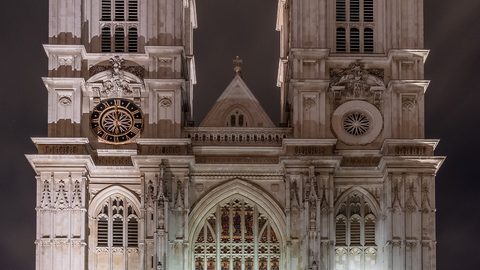 Westminster Before the Coaches An Efficient Morning Route
Route through Parliament Square and Westminster Abbey before the coach groups arrive at 10am, then exit via Whitehall and St James's Park.
Westminster Before the Coaches An Efficient Morning Route
Route through Parliament Square and Westminster Abbey before the coach groups arrive at 10am, then exit via Whitehall and St James's Park.
-
 SIMs, eSIMs and Staying Connected on Long-Distance Walking Routes
Honest look at mobile connectivity on long-distance walking routes. Real costs of local SIMs vs eSIMs, rural coverage gaps, and activation headaches in border zones.
SIMs, eSIMs and Staying Connected on Long-Distance Walking Routes
Honest look at mobile connectivity on long-distance walking routes. Real costs of local SIMs vs eSIMs, rural coverage gaps, and activation headaches in border zones.