Doing Piccadilly Without Spending the Day in Shops
Visit the Royal Academy, browse Hatchards bookshop, walk the Burlington Arcade, and book afternoon tea at The Wolseley—no Regent Street shopping required.
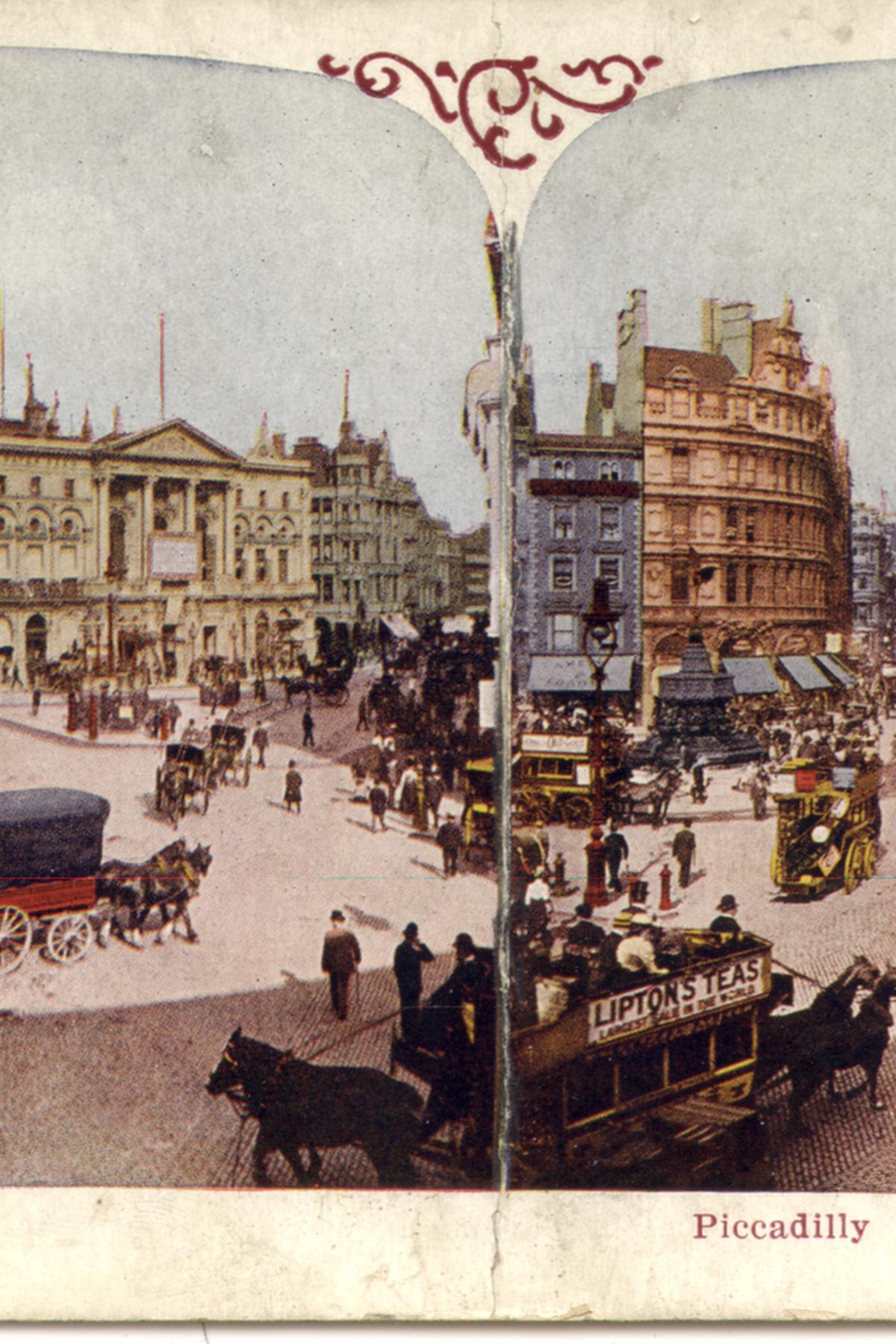

Doing Piccadilly Without Spending the Day in Shops
You want to see Piccadilly without spending the day in shops. That is harder than it sounds because the district is built around Regent Street and Oxford Street, two of the world's densest retail corridors. The route below treats those streets as transit rather than destinations and builds the day around four fixed points: the Royal Academy of Arts, Burlington Arcade, Hatchards bookshop, and the ground floor of Fortnum and Mason. Arrive at Green Park station and you skip the Piccadilly Circus Tube exit scrum entirely.
The entire walk from Green Park to Piccadilly Circus via St James's Church and Jermyn Street is 1.8 km. That is 25 minutes without stops or 2 to 3 hours with the itinerary below. Total cost of the walk itself for buildings, arcades, church, and park is zero.
Piccadilly Non-Shopping Itinerary
Start at Green Park station (Piccadilly, Victoria, and Jubilee lines, 28.3 million entries and exits in 2023). Exit onto Piccadilly itself and walk east toward the Royal Academy of Arts. The station sits on the edge of Green Park, 19 hectares of grass and London plane trees with no flower beds by royal decree. It is a quiet entry point that avoids the pedestrian crush at the Piccadilly Circus junction.
Royal Academy of Arts: Anchor the Morning
The Royal Academy of Arts at Burlington House, founded in 1768, is the only cultural reason to be in this zone. The temporary exhibitions are the draw. Standard adult admission in 2024 ran £22 to £24.50 depending on the show, but check the RA website before booking because prices shift each season. Major exhibitions sell out weekend slots two to three weeks ahead, timed entry is strictly enforced, and there is no re-entry. The central courtyard, café, shop, and the small permanent Collection Gallery are free and do not need a ticket.
If you arrive and find the exhibition sold out, the Collection Gallery and courtyard are still worth the detour. The Summer Exhibition runs June through August annually and is the busiest period. Book ahead.
Burlington Arcade: Architecture, Not Jewellers
The covered walkway runs 179 metres from Burlington Gardens into Piccadilly, opened in 1819. Its roughly 40 shops are mostly jewellery and luxury goods, but you are here for the passage itself. The beadles enforce the original 1819 bylaws in frock coats and top hats: no whistling, no running, no open umbrellas, no humming. Walk the length once. It takes four minutes. Then cross Piccadilly.
Hatchards: London's Oldest Bookshop
Hatchards on Piccadilly has been trading since 1797. It sits opposite the Royal Academy and is small enough to browse in 15 minutes. The downstairs room holds new releases and staff picks; the upper floor is mostly art and illustrated books. It is quieter than the chain bookshops on Regent Street and does not require a purchase to look.
Royal Academy of Arts London: What to See and What to Skip
The Royal Academy of Arts London is at Burlington House on Piccadilly, W1J 0BD. It opened in 1768 and has no permanent collection in the way the National Gallery does. Its value is in temporary exhibitions that change every few months. The free-access area is the central courtyard, where the café and shop are, plus the Collection Gallery, a single room holding a rotating selection of works from the Academy's holdings.
The failure case: major exhibitions sell out weekend slots two to three weeks in advance. Timed entry is strictly enforced. If you arrive on a Saturday in August without a ticket and the show is sold out, you cannot queue for a later slot. The courtyard is still open, but that is a ten-minute stop, not a morning.
The free option: walk into the courtyard, look at the building's facade, visit the shop, and leave. That is a valid use of 15 minutes if you want to save the admission cost and move on to St James's Church.
Fortnum and Mason Food Hall Only: 20 Minutes, Ground Floor Only
Fortnum and Mason at 181 Piccadilly, founded in 1707, is a department store. The ground-floor Food Hall is the only part worth your time on a non-shopping day. It holds the famous hampers, loose-leaf teas in tins, biscuits, jams, and the counters where staff weigh out chocolates and dried fruit. Browse it in 20 minutes. Touch nothing you do not intend to buy; the staff are attentive and the floor is narrow.
The upper floors are clothing, homeware, and the Diamond Jubilee Tea Salon on the fourth floor. Skip the Tea Salon. The standard afternoon tea sits at the top end of London pricing, but check Fortnum's website for the current figure as rates rise annually. Weekend slots require booking 8 to 12 weeks ahead, the room is windowless, the 90-minute slot feels rushed, and the scone course arrives pre-plated and often dry. The Palm Court at The Ritz (150 Piccadilly, confirm on the Ritz website as these rates change) and the dining room at The Wolseley are better uses of the same money.
St James’s Church Piccadilly: the Quiet Stop
St James's Church Piccadilly was designed by Christopher Wren and consecrated in 1684. It was gutted by Luftwaffe incendiary bombs on 14 October 1940 and restored by 1954. The churchyard hosts the Piccadilly Market Tuesday to Friday, 10:00 to 18:00, but the stalls are about 80% street food and 20% antiques. This is not a flea market.
The church interior is plain by Wren standards, worth ten minutes if the door is open. Lunchtime recitals are common; tickets run £10 to £35, and some are free with a retiring collection. The church sits 350 metres from St James's Palace via Jermyn Street, but the palace has no public access, no changing of the guard, and is a working royal office. Do not walk there expecting a ceremony.
After the church, walk west along Jermyn Street toward Green Park. Jermyn Street is the shirtmaker cluster: Turnbull and Asser at number 71-72, Harvie and Hudson at 77, Hilditch and Key at 73, Emma Willis at 66. Bespoke shirts from Turnbull and Asser start at several hundred pounds per shirt in 2024 with a minimum order of six and a lead time of 10 to 12 weeks; ring the shop for current pricing as cloth costs move. That is for shoppers, not browsers. Paxton and Whitfield at 93 Jermyn Street, founded 1797, sells about 200 cheeses from a 25-square-metre shop floor. Saturday afternoons exceed comfortable capacity.
The Wolseley: Book Afternoon Tea Weeks Ahead
The Wolseley is the destination that ends the day, not the shopping streets around it. Its art deco dining room on a quiet Mayfair edge is the reason to book. Afternoon tea here requires booking weeks ahead, same as Fortnum's or The Ritz, but the room has natural light and the service is less rushed. The alternative is The Ritz Palm Court, which sits in a corridor between hotel functions; the 17:30 sitting overlaps with bar noise, and the dress code requires a jacket and tie for men with no jeans or trainers. Jacket loaners exist but in limited sizes. The Wolseley does not enforce jacket and tie but smart casual is expected.
If you cannot get a reservation at either, walk through the covered passage to Piccadilly Circus, take the Piccadilly line two stops to Knightsbridge, and try the department-store tea rooms at Harrods or Harvey Nichols. Both take walk-ins on weekday afternoons. Neither is as good as The Wolseley, but both are better than the Fortnum's Tea Salon.
Piccadilly Without Spending the Day in Shops: the Walk
This section makes the title promise deliverable. Start at Green Park station exit onto Piccadilly. Walk east past The Ritz (150 Piccadilly) and Fortnum and Mason (181 Piccadilly). Cross into the arcade at the Piccadilly entrance. Walk the full 179 metres. Exit into Burlington Gardens. Enter the Royal Academy courtyard (free). Either buy a timed ticket for the exhibition or spend 15 minutes in the courtyard and shop. Exit the Royal Academy back onto Piccadilly. Cross Piccadilly to Hatchards bookshop. Spend 15 minutes browsing. Continue east along Piccadilly to St James's Church (Wren's 1684 building, 350 metres from the palace). Check the courtyard market if it is a weekday before 18:00. Walk west along Jermyn Street past the shirtmakers and Paxton and Whitfield. Turn left into Green Park at the end of Jermyn Street. Walk through the park to Green Park station. Total walking distance: 1.8 km. Total time without stops: 25 minutes. With the stops above: 2 to 3 hours. Cost: £0 for the walk, £22 to £24.50 if you buy an RA exhibition ticket, plus whatever you spend at Fortnum's Food Hall or on Jermyn Street.
Piccadilly Circus: 90 Seconds at the Eros Statue
Piccadilly Circus is a road junction connecting Regent Street, Shaftesbury Avenue, Coventry Street, Glasshouse Street, and Piccadilly. The Eros statue in the centre is actually Anteros, the Angel of Christian Charity. It is made of aluminium and sits on the Shaftesbury Memorial Fountain, installed in 1893 and sculpted by Alfred Gilbert. The Piccadilly Lights above the junction were first illuminated in 1908; the current single curved LED screen dates to 2017 and is operated by Landsec. A two-week advertising slot in 2024 cost between £50,000 and £150,000, though Landsec negotiates each placement individually so those figures are indicative.
Stop for one photo. Do not linger. The pedestrian crush on Regent Street and around the junction makes standing still uncomfortable. The station below serves the Piccadilly and Bakerloo lines and handled 27.7 million entries and exits in 2023. Use Green Park station instead for arrival and departure. If you must use Piccadilly Circus station, exit via the Glasshouse Street or Shaftesbury Avenue stairs, which are less crowded than the Regent Street exit.
| Item | Detail | Cost or Time |
|---|---|---|
| Green Park to Piccadilly Circus walk | 1.8 km (1.1 miles) | 25 minutes without stops |
| Full walk with stops | RA courtyard, Burlington Arcade, Hatchards, Fortnum's ground floor, St James's Church, Jermyn Street browse | 2 to 3 hours |
| Walk cost | All streets, arcades, church, Green Park | £0 |
| RA exhibition admission (2024) | Standard adult | £22 to £24.50 |
| Fortnum's afternoon tea | Diamond Jubilee Tea Salon, standard tier | Check Fortnum's website for current pricing |
| The Ritz afternoon tea | Standard without Champagne | Check the Ritz website for current pricing |
| The Wolseley afternoon tea | Book weeks ahead | Check The Wolseley website for current pricing |
| Burlington Arcade length | Opened 1819 | 179 metres (196 yards) |
| St James's Church | Wren, 1684, bombed 1940 | Free entry |
| Piccadilly Circus station entries (2023) | 27.7 million | Use Green Park instead |
Read next
-

 Hampstead Heath and the Village A London Day That Needs Decent Weather
Climb Parliament Hill for the skyline view, swim in the mixed pond, and retreat to Kenwood House if the weather turns—all from Hampstead station.
Hampstead Heath and the Village A London Day That Needs Decent Weather
Climb Parliament Hill for the skyline view, swim in the mixed pond, and retreat to Kenwood House if the weather turns—all from Hampstead station.
-
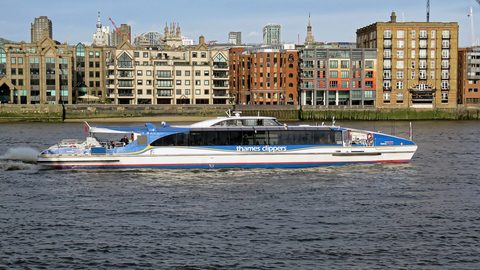 Thames Boat or Tube When the Slow Route Earns Its Fare
The Uber Boat beats the Tube on three specific Thames journeys: Bankside to Greenwich, Westminster to Tower Pier, and Blackfriars to Canary Wharf.
Thames Boat or Tube When the Slow Route Earns Its Fare
The Uber Boat beats the Tube on three specific Thames journeys: Bankside to Greenwich, Westminster to Tower Pier, and Blackfriars to Canary Wharf.
-
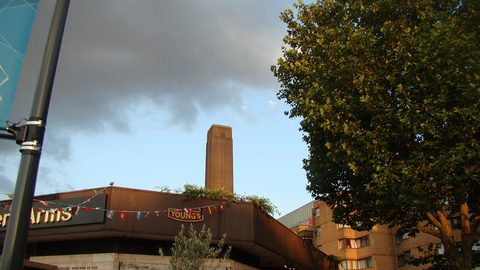 A South Bank Walk That Is Worth Your Time Not an Attraction Checklist
Start at Southwark Bridge, move through Bankside and the Tate Modern's Turbine Hall, then reach Borough Market before the 11:30am lunch crush.
A South Bank Walk That Is Worth Your Time Not an Attraction Checklist
Start at Southwark Bridge, move through Bankside and the Tate Modern's Turbine Hall, then reach Borough Market before the 11:30am lunch crush.
-
 Tower of London Without Losing Half a Day to the Crown Jewels Queue
Book the 9am Tuesday slot, walk straight to the Crown Jewels in Waterloo Block, then join the 9:30am Beefeater tour before the courtyard fills.
Tower of London Without Losing Half a Day to the Crown Jewels Queue
Book the 9am Tuesday slot, walk straight to the Crown Jewels in Waterloo Block, then join the 9:30am Beefeater tour before the courtyard fills.
-
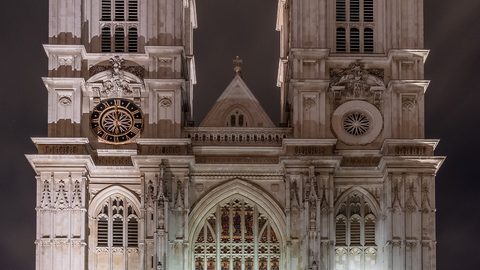 Westminster Before the Coaches An Efficient Morning Route
Route through Parliament Square and Westminster Abbey before the coach groups arrive at 10am, then exit via Whitehall and St James's Park.
Westminster Before the Coaches An Efficient Morning Route
Route through Parliament Square and Westminster Abbey before the coach groups arrive at 10am, then exit via Whitehall and St James's Park.
-
 Volunteering in London without being part of the problem
How to volunteer in London as a visitor without causing harm, from food banks to canal trust conservation days that welcome short-term help.
Volunteering in London without being part of the problem
How to volunteer in London as a visitor without causing harm, from food banks to canal trust conservation days that welcome short-term help.
-
 SIMs, eSIMs and Staying Connected on Long-Distance Walking Routes
Honest look at mobile connectivity on long-distance walking routes. Real costs of local SIMs vs eSIMs, rural coverage gaps, and activation headaches in border zones.
SIMs, eSIMs and Staying Connected on Long-Distance Walking Routes
Honest look at mobile connectivity on long-distance walking routes. Real costs of local SIMs vs eSIMs, rural coverage gaps, and activation headaches in border zones.