The few things that make your London travel photos look different
London travel photography tips that move you past the same tourist shots, from using overcast light to finding the Greenwich Park observatory angle.

The Few Things That Make Your London Travel Photos Look Different
Stop waiting for the sun to come out. The sun is the enemy of depth in London. The grey is the friend. A blue sky on a July afternoon gives you the same postcard as every phone in the city. An overcast November Tuesday, handled correctly, gives you something no one else has.
You are not fighting light here. You are learning to read what is already in front of you. The city has a specific set of light conditions, interior constraints, and legal boundaries that define what works. Ignore camera gear entirely. The advice that follows works on a 2026 flagship phone with a 1-inch type sensor or on a full frame body. The decisions that matter are about time, position, and restraint.
London Light is Not What You Think
The Summer Trap
From the summer solstice, sunrise comes at 04:43 GMT and sunset at 21:21 GMT. That gives you over sixteen hours of daylight. The golden hour lasts only 20 to 40 minutes either side of sunrise and sunset. It is real light. It is warm. But it is also the time every photographer in the city is standing at the same spot on the Albert Bridge. Skip it. The summer midday light is harsh. High contrast. Deep shadows under eyes and brows. It makes skin look hard. It flattens the texture of the city. Do not fight it. Do not wait for it. Use it for high contrast black and white street compositions where the hard shadow is the subject, not the person. The shadow is your shape. The highlight is your detail. The midtones do not exist.
The Winter Gift
At the winter solstice, the sun rises at 08:06 and sets at 15:51. That is less than eight hours of usable daylight. The sun stays low all day. It wraps every building in a long, soft cross light. Go to the Barbican at 14:00 in December and stand on the high walkway between the towers. The shadows are three storeys long. The concrete reads as warm grey, not cold grey. The Barbican Estate concrete textures catch a low November light that makes the brutalist surface look like sandstone. No one photographs it. Most people walk past it. That is a London photograph.
The Grey Day Is The Best Day
The overcast sky is not a problem to solve. It is an asset. Cloud acts as a giant diffuser. It kills the harsh highlight of a direct sun and turns the entire city into a soft studio box. Colours become saturated. Skintones improve. The Tower of London under a white sky reads as textured stone, not as a overexposed wall. The failure people make is to edit the grey out. Do not lift the contrast. Do not increase saturation beyond +10 in Lightroom. That destroys the colour subtlety of the London overcast sky. The grey is your white balance reference. The grey is the ceiling of the room. Leave it alone.
The Thames at Different Times Carries the Picture
The Thames is not a backdrop. It is a reflector. Stand on the Albert Bridge at 05:15 in June. Face east. The light hits your subject from below, from the water. It erases the need for a reflector. You get soft eye light without a second person holding a disk. At sunrise in summer, the east flowing water catches the warm light before the buildings do. The sun hits the surface at a low angle and bounces back up into the underside of the bridges. That soft fill light is not replicable anywhere else.
At civil twilight in November, the sky behind the City of London goes a deep violet blue for about 20 minutes. The office towers are still lit from inside. The water is black. The contrast between the warm office glow and the cold blue sky is the entire colour palette of a London winter. Do not go to the South Bank. Go to the rooftop of the Peckham Levels car park at 16:30 in December. No tripod needed. The railings are stable. The view is unobstructed. Security is not present. You shoot handheld.
The Interior City: Tube Stations and Museums
Work The Great Court At Opening Time
Midday light is harsh. The solution is not to hide. Go indoors and let the existing light work for you. The interiors of London are the city's best studio. Arrive at the British Museum Great Court at 10:00 on a weekday, when the crowd density is low. The roof diffuses the midday sun into a soft cylinder of light. The floor reflects it upwards. You get even illumination on a face without fill. Stand in the centre of the court and shoot upward into the glass. The geometry is the composition.
Shoot The Tube Handheld, Off Centre
Tube stations are another interior system. The London Underground ban tripods and flash without a TfL filming permit. Handheld is permitted. That is enough. Go to Westminster station. It has exposed concrete vaults and escalator tunnels that compress space into a single line. Stand at the bottom of the escalator at a non peak hour. Wait for a person in a bright coat. Shoot upward. The escalator lines lead the eye. The person is the scale reference. Do not centre them. Place them in the left third of the frame. The Tube is not a backdrop. It is leading lines that already exist. You just close one eye and pick the moment.
.jpg)
The Landmark Problem and the Foreground Fix
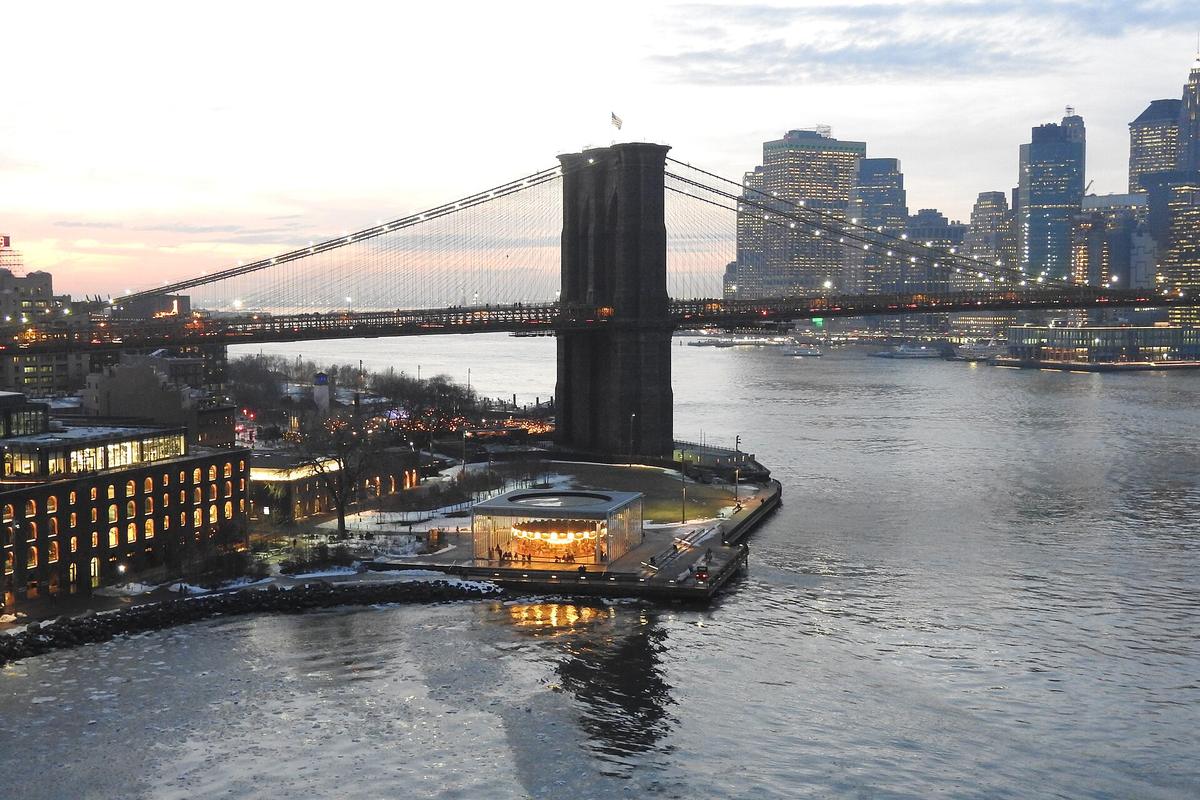
The most over photographed London landmark by geotag count is Tower Bridge from the More London walkway facing west at sunset. Every person who visits London takes that shot. The composition places the bridge dead centre. The frame is a statement of fact. A bridge exists. The viewer moves on.
The fix is a foreground element placed within the bottom third of the frame at a distance of under two metres from the lens. A railing. A puddle. A person with an umbrella. A wet cobblestone reflecting the bridge lights. Frames with a dominant foreground element hold viewer attention longer than landmark only frames. The value is not about making the landmark look small. It is about giving the eye an entry point and a path. The eye lands on the foreground, follows the leading line to the landmark, and stays there longer because it arrived by a path it chose. St Paul's Cathedral from the Millennium Bridge is the same problem. If you stand in the centre, you get the same shot as everyone else. Stand at the south end of the bridge instead. Shoot through the handrail cables as an abstract diagonal in the bottom left. You get a frame that reads as London and not as a GPS coordinate.
The Legal Ground You Stand on
What You Can Shoot On The Street
The UK law is permissive for photographers. You do not need permission to photograph people in public places from public land. The exception is commercial use of an identifiable person's image, which requires a model release. Photography of children is subject to heightened scrutiny under the Protection of Children Act 1978 in certain contexts. That is the edge you need to know. Do not photograph children you do not know. Do photograph the crowd at Oxford Circus. The law is on your side for street photography.
Where The Rules Change Underfoot
Where the law stops is where private land starts. Tripods require a permit in Trafalgar Square, Parliament Square, and South Bank private estate land. Security will stop you from using a tripod on the Canary Wharf estate, Liverpool Street Station concourse, and London Bridge Station concourse. Photography is prohibited entirely inside the Supreme Court, inside certain Crown Court buildings, and on Ministry of Defence land. Know which land you are on. If the floor changes from public pavement to polished private stone, the rules change. The backup plan is to shoot handheld at a higher ISO and trust the noise reduction. A grainy frame you made is worth more than a sharp one you were told to delete.
Read next
-
 London on Sunday Markets Churches and Closures You Need to Plan Around
-
 A Rainy London Day Built by Neighbourhood Not a List of Museums
Stay dry in South Kensington via the station tunnel between the V&A and Natural History Museum, or spend the day in Clerkenwell from the Barbican to Exmouth Market.
A Rainy London Day Built by Neighbourhood Not a List of Museums
Stay dry in South Kensington via the station tunnel between the V&A and Natural History Museum, or spend the day in Clerkenwell from the Barbican to Exmouth Market.
-
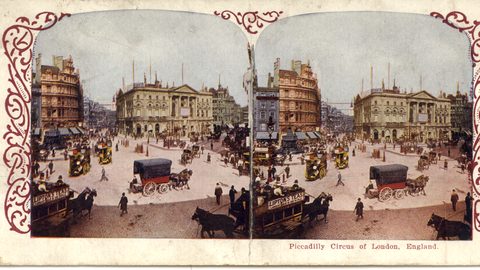 Piccadilly Without Spending the Day in Shops
Visit the Royal Academy, browse Hatchards bookshop, walk the Burlington Arcade, and book afternoon tea at The Wolseley—no Regent Street shopping required.
Piccadilly Without Spending the Day in Shops
Visit the Royal Academy, browse Hatchards bookshop, walk the Burlington Arcade, and book afternoon tea at The Wolseley—no Regent Street shopping required.
-
 Hampstead Heath and the Village A London Day That Needs Decent Weather
Climb Parliament Hill for the skyline view, swim in the mixed pond, and retreat to Kenwood House if the weather turns—all from Hampstead station.
Hampstead Heath and the Village A London Day That Needs Decent Weather
Climb Parliament Hill for the skyline view, swim in the mixed pond, and retreat to Kenwood House if the weather turns—all from Hampstead station.
-
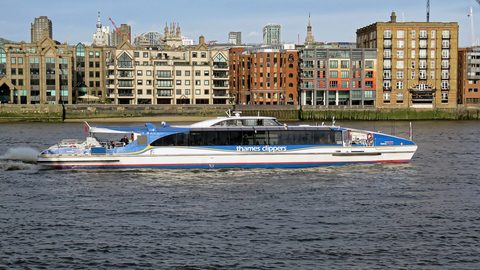 Thames Boat or Tube When the Slow Route Earns Its Fare
The Uber Boat beats the Tube on three specific Thames journeys: Bankside to Greenwich, Westminster to Tower Pier, and Blackfriars to Canary Wharf.
Thames Boat or Tube When the Slow Route Earns Its Fare
The Uber Boat beats the Tube on three specific Thames journeys: Bankside to Greenwich, Westminster to Tower Pier, and Blackfriars to Canary Wharf.
-
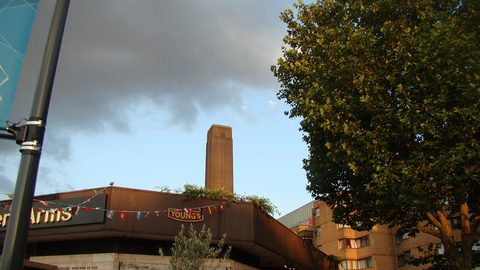 A South Bank Walk That Is Worth Your Time Not an Attraction Checklist
Start at Southwark Bridge, move through Bankside and the Tate Modern's Turbine Hall, then reach Borough Market before the 11:30am lunch crush.
A South Bank Walk That Is Worth Your Time Not an Attraction Checklist
Start at Southwark Bridge, move through Bankside and the Tate Modern's Turbine Hall, then reach Borough Market before the 11:30am lunch crush.
-
 SIMs, eSIMs and Staying Connected on Long-Distance Walking Routes
Honest look at mobile connectivity on long-distance walking routes. Real costs of local SIMs vs eSIMs, rural coverage gaps, and activation headaches in border zones.
SIMs, eSIMs and Staying Connected on Long-Distance Walking Routes
Honest look at mobile connectivity on long-distance walking routes. Real costs of local SIMs vs eSIMs, rural coverage gaps, and activation headaches in border zones.