How to actually meet people when you are travelling in London
Ten ways to meet people while travelling in London that actually work, from Southbank Centre benches to Borough Market communal tables.

Ten Ways to Actually Meet People When You Are Travelling in London
The hostel bar is a trap. By 17:00, phone use in London hostel common areas exceeds 80%, and the noise level on a pub crawl hits 85 decibels. You cannot hold a chat below a shout. The generic advice you read about hostels and CouchSurfing and Reddit meetups no longer applies. The Lonely Planet Thorn Tree forum closed in 2020. CouchSurfing city groups collapsed between 2018 and 2020. r/LondonSocialClub moderators put the subreddit into read-only for new posts in 2023. The methods that still work in London are precise, venue-specific, and time-sensitive. Here is what actually works.
Walking Tours That Actually Produce Conversations
Choose The Right Operator And Tour
Walking tours in London group 8 to 30 people, and 60 to 70 percent of attendees are solo travellers. That statistic alone makes them the highest-probability starting point in the city. The operator with the largest footprint is Strawberry Tours, which runs on a tip-based model where the typical contribution lands between £10 and £15. You pay nothing upfront, so there is no financial barrier to leaving your hotel and trying one out.
Commercial operators also work. London Walks runs over 40 tours per week and prices a standard two-hour walk between £15 and £20 as of the 2026 rate. The trick is to pick a niche tour, not the generic Westminster Abbey loop. A Jack the Ripper walk, a pub history walk, or a street art walk in Shoreditch attracts people who chose that subject, which means they came ready to engage. The generic tour attracts people who just wanted a walk.
Work The Gaps Between Stops
The dynamic matters more than the route. On a walking tour, talk happens in the gaps between stops as you move from one point to the next. That moving window is your opportunity. Use it. Ask someone which other London stops they have planned. People who book multiple tours tend to be in London for days, not hours, and they are actively looking for company.
If you need to exit a chat, use the most effective phrase tested in London settings: "I'm going to grab another drink or do a lap. Really nice talking to you." After 5 to 10 minutes, if there is no mutual interest, that is the norm. After 15 to 20 minutes, if the exchange is pleasant but finite, use the same line. Do not lie about leaving the venue. You will be seen.
Cooking Classes That Build Real Contact
A one-hour cooking class with 30 people is a lecture. A three-hour class with a maximum of 16 people is a dinner party. The Kitchen at Borough Market runs classes lasting between 2 and 5 hours, priced between £65 and £190 at the 2026 rate, and caps attendance at 16. The class length forces extended interaction. You cannot stand next to someone for three hours without talking about the food you are both handling.
E5 Bakehouse in London Fields offers a similar window. Their classes run 3 to 6 hours and cost between £55 and £180 as of 2026. The bread-making format is especially effective because the process involves long waiting periods while dough proves. During those gaps, the room becomes social by default.
Book the longest class you can afford. A 2-hour class ends before you have said more than two sentences to your neighbour. A 5-hour class guarantees multiple breaks and a shared meal at the end.
Day Hikes: the Antidote to Pub Crawl Failure
Why Hiking Works
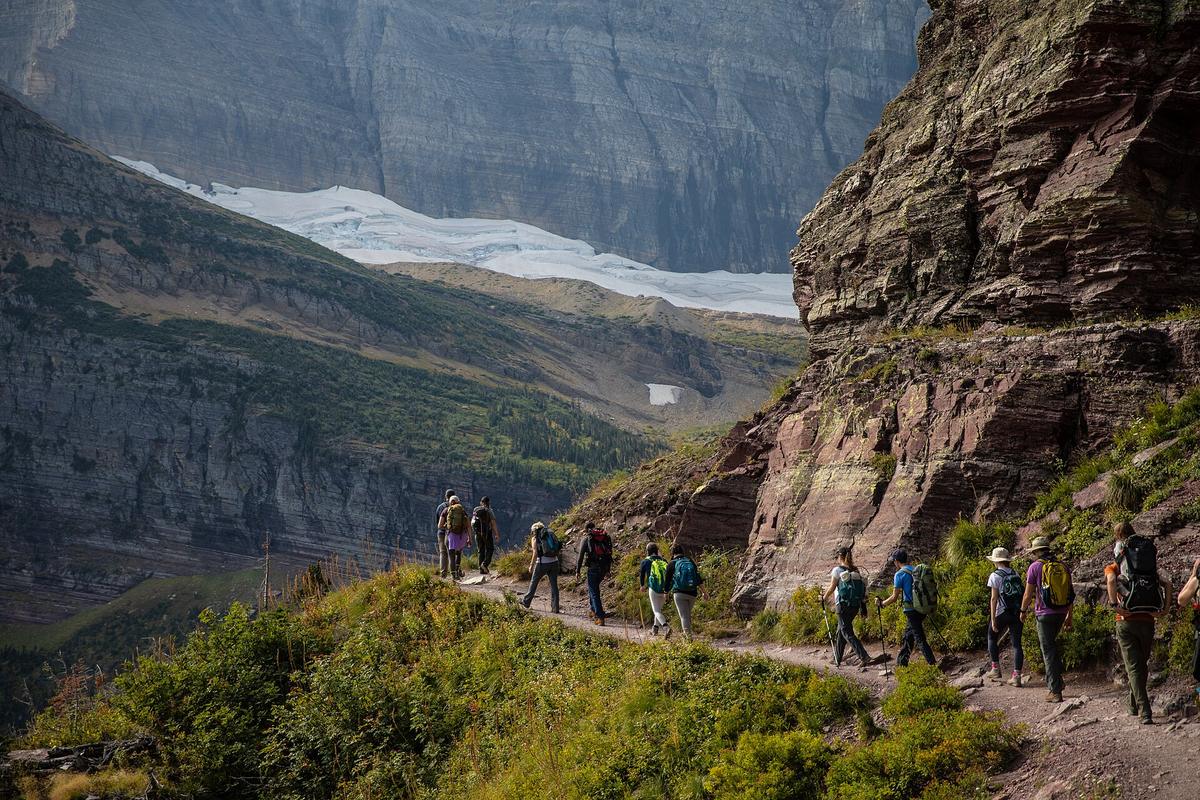
London hiking groups produce talk because the format forces it. You walk side by side on a single-file trail for hours. There is no phone reception in stretches of Epping Forest or on sections of the Box Hill escarpment. The fallback to a screen is removed.
The London Hiking Group on Meetup is the largest in the city and it is free to join. Some walks charge a £5 to £10 organiser fee at the 2026 rate, but membership itself costs nothing. Typical weekend day-hike attendance runs between 15 and 35 people. That is too many to stay anonymous but too few to fragment into cliques.
Two Routes You Can Reach Without A Car
From London Victoria, take the train to Box Hill and Westhumble station. The journey takes 50 to 55 minutes. The circular walk from the station is 8 miles. From Stratford, take the Central line to the terminus at Epping Forest. The Oak Trail covers 6.7 miles. Both routes give you five to six hours of walking time, which is enough to talk to four or five different people if you rotate companions at rest stops.
Running Clubs: Faster Pace, Faster Conversation
Walking tours filter by interest. Running clubs filter by fitness and pace, which is a better predictor of whether you will get along with someone. The pace-group system pre-sorts by exertion level and distance tolerance, and chat happens alongside the activity rather than as the activity itself.
London City Runners runs the largest weekly turnout in the city. Every Wednesday at 18:45, 150 to 250 people gather at The Bermondsey Bierkeller for a free run. Five to six pace groups cover speeds from a 7:00 mile up to an 11:00 mile, which means no one gets dropped. Membership costs nothing. After the run, the group stays at the venue. That post-run window is when people actually talk.
Run Dem Crew meets Tuesday at 18:45 from 1948 London in Shoreditch. The turnout of 80 to 120 is smaller. But the format is different. Run Dem Crew requires an invite or an open guest night; you cannot drop in without prior contact. If you can get into it, the smaller group size and the invite-only structure produce higher quality interaction. If you cannot, go to London City Runners instead.
Language Exchanges: High Volume, Low Friction
Mundo Lingo runs three weekly London events, and the Tuesday night session at Bar Salsa near Temple draws between 200 and 400 attendees. The format is simple. You get flag stickers for the languages you speak. You stick them on your shirt. You talk to whoever has a flag you can use. Free entry, no registration, no RSVP that you can skip.
The other venues are The Lighthouse in Shoreditch and The Alex in Clapham, both of which attract smaller but still significant crowds. The key is timing. Arrive between 19:30 and 20:30. Before 19:30, the room is half empty and the first arrivals form closed groups. After 20:30, the noise level rises and the flag system becomes harder to read.
The exit rule applies here too. After 10 minutes with one person, do a lap. The flag system makes it socially acceptable to move on. You are expected to practice multiple languages. You are not expected to stay with one speaker all night.
Climbing Gyms and the Collaborative Problem
Climbing gyms outperform cooking classes for repeat social interaction because problem-solving is collaborative by design. At a cooking class, you make your own dish. At a climbing wall, you attempt the same route as the person next to you, and the problem-grade opener is the standard entry point. No one reads a climbing route in silence.
The Climbing Hangar operates four London locations: Parsons Green, Liverpool Street, London Bridge, and Hackney. A day pass costs £15 at the 2026 rate, and shoe hire adds £4. Walk in, climb a route near someone else, and ask what grade they think the problem is rated. That is the entire social script.
If you want a regular partner, the UKClimbing forums still host an active partner-finding subforum as of 2026. Post your location and grade range. The response rate is higher than any friend-finding app.
Solo Dining Seating Strategy
Counter Seating: The Top Tier
Counter seating at restaurant bars produces the highest interaction rate for solo diners in London. The mechanism is proximity. You sit within 40 centimetres of the adjacent diner, and the open kitchen becomes a shared focal point. Watching a chef work gives you a topic that does not require you to invent one.
Four venues in London have reliable counter seating. Kiln in Soho has 14 counter seats. Barrafina on Dean Street has 23. The Barbary in Covent Garden has 24. Speedboat Bar in Soho has 18. At all of these, the counter is the prime real estate, not the tables. Sit at the counter. If the host offers you a table, decline and say you prefer the counter.
Chef's Tables And Communal Dining
Chef's table or omakase counters rank second in interaction rate. Taku in Mayfair has 16 counter seats. Endo at the Rotunda has 10. Sushi Kanesaka at the Dorchester has 12. The price range runs from £120 to £420 at the 2026 rate, which filters by budget and intention. Everyone at those counters chose to spend that amount on a dinner. They are present in a way that a table of tourists on a budget is not.
Communal-table restaurants rank third. Padella at Borough Market seats 30 at communal tables. It operates walk-in only, and the queue forms 30 to 45 minutes before opening. At 18:30 on a Friday, the wait runs 45 to 90 minutes. If you join the queue as a solo diner, offer to hold a spot for someone else in line. That 90-minute wait is your window to strike up a chat. Blacklock in Soho, Shoreditch, City, and Canary Wharf also uses communal seating with a better wait time.
.jpg)
| Strategy | Interaction Mechanism | Typical Interaction Window | Price Range 2026 |
|---|---|---|---|
| Counter seating at restaurant bars | Proximity under 40 cm; open kitchen as focal point | Entire meal (45-90 min) | £15-£65 per person |
| Chef's table or omakase counter | Shared attention on chef; small group size | Entire meal (90-120 min) | £120-£420 per person |
| Communal table restaurants | Shared table surface; queue wait as lead-in | Queue time plus meal (60-150 min) | £10-£40 per person |
Hostel Timing and the 90-Minute Window
The hostel bar works, but only during a specific 90-minute window. Standard London hostel check-in time is 14:00 to 15:00. The first 60 to 90 minutes after that, between 15:00 and 16:30, is when new arrivals are dropping bags and looking for company. By 17:00, the phone use rate in common areas climbs above 80%, and the social window closes. Arrive early. Drop your bag. Go to the bar immediately. Do not unpack.
Large hostel chains with co-working lobbies, such as Generator and Wombat's in London, are counterproductive. After 10:00, the headphone-on rate in their lobbies exceeds 70%. The co-working norm overrides the social norm. Skip those lobbies entirely and go to the bar instead.
Which Apps Still Work and Which Do Not
Bumble BFF has the highest London user base among friend-finding apps, but the match-to-meet conversion rate falls below 10%. You will get matches. You will not meet them. Meetup shows a similar failure mode: the RSVP-to-attendee drop-off rate for free events exceeds 50%. People sign up and stay home.
The apps that work are activity-specific booking platforms. ClassBento books you into a London cooking or craft class where the payment locks attendance. Meetup paid events, where the organiser collects a fee, see a much lower no-show rate than free events. For climbing partners, the UKClimbing partner-finding forum still works. For hiking, book a day hike through a paid event on Meetup. The £5 to £10 fee filters out the people who would RSVP and not show up.
Who London Suits and Who Should Skip It
London suits the solo traveller who wants genuine exchange, not a crowd. It suits the person who is willing to arrive at a running club on a Wednesday evening or queue at Padella on a Friday because they know the structure of the activity will produce the interaction. It suits the traveller who understands that meeting people is a numbers game with specific venues and specific times.
London does not suit the traveller who wants to walk into a hostel bar at 21:00 and find company waiting. It does not suit the person looking for a single app that magically produces friends. It does not suit anyone who expects London to behave like a small town or a backpacker hostel in Southeast Asia. London demands precision. Use the precise venues, the precise times, and the precise exit phrases above, and you will leave with more than a collection of museum tickets.
Read next
-
 London on Sunday Markets Churches and Closures You Need to Plan Around
-
 A Rainy London Day Built by Neighbourhood Not a List of Museums
Stay dry in South Kensington via the station tunnel between the V&A and Natural History Museum, or spend the day in Clerkenwell from the Barbican to Exmouth Market.
A Rainy London Day Built by Neighbourhood Not a List of Museums
Stay dry in South Kensington via the station tunnel between the V&A and Natural History Museum, or spend the day in Clerkenwell from the Barbican to Exmouth Market.
-
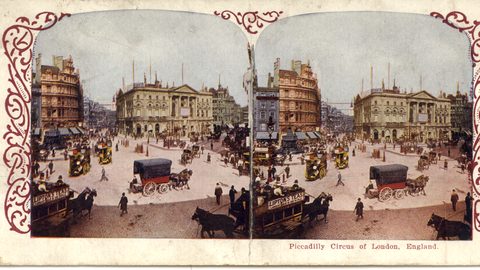 Piccadilly Without Spending the Day in Shops
Visit the Royal Academy, browse Hatchards bookshop, walk the Burlington Arcade, and book afternoon tea at The Wolseley—no Regent Street shopping required.
Piccadilly Without Spending the Day in Shops
Visit the Royal Academy, browse Hatchards bookshop, walk the Burlington Arcade, and book afternoon tea at The Wolseley—no Regent Street shopping required.
-
 Hampstead Heath and the Village A London Day That Needs Decent Weather
Climb Parliament Hill for the skyline view, swim in the mixed pond, and retreat to Kenwood House if the weather turns—all from Hampstead station.
Hampstead Heath and the Village A London Day That Needs Decent Weather
Climb Parliament Hill for the skyline view, swim in the mixed pond, and retreat to Kenwood House if the weather turns—all from Hampstead station.
-
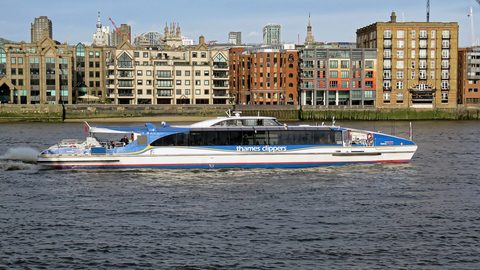 Thames Boat or Tube When the Slow Route Earns Its Fare
The Uber Boat beats the Tube on three specific Thames journeys: Bankside to Greenwich, Westminster to Tower Pier, and Blackfriars to Canary Wharf.
Thames Boat or Tube When the Slow Route Earns Its Fare
The Uber Boat beats the Tube on three specific Thames journeys: Bankside to Greenwich, Westminster to Tower Pier, and Blackfriars to Canary Wharf.
-
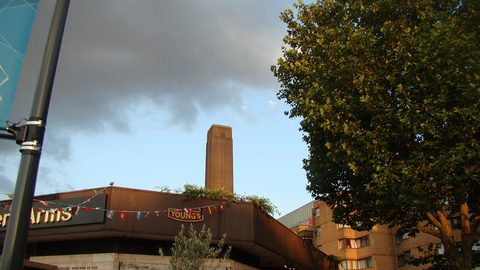 A South Bank Walk That Is Worth Your Time Not an Attraction Checklist
Start at Southwark Bridge, move through Bankside and the Tate Modern's Turbine Hall, then reach Borough Market before the 11:30am lunch crush.
A South Bank Walk That Is Worth Your Time Not an Attraction Checklist
Start at Southwark Bridge, move through Bankside and the Tate Modern's Turbine Hall, then reach Borough Market before the 11:30am lunch crush.
-
 SIMs, eSIMs and Staying Connected on Long-Distance Walking Routes
Honest look at mobile connectivity on long-distance walking routes. Real costs of local SIMs vs eSIMs, rural coverage gaps, and activation headaches in border zones.
SIMs, eSIMs and Staying Connected on Long-Distance Walking Routes
Honest look at mobile connectivity on long-distance walking routes. Real costs of local SIMs vs eSIMs, rural coverage gaps, and activation headaches in border zones.