The four London spending decisions that determine your whole trip budget
The four London spending decisions that dominate your trip budget, from zone choice to the Oyster versus contactless calculation.
.jpg)
The Four London Spending Decisions That Determine Your Whole Trip Budget
You are standing on the concourse at Paddington Station. You have just spent £25 on a 15-minute train ticket from the airport because it seemed fast and official, the hotel you booked in zone 1 cost a fortune and has a shower head that drips into the toilet, and you are now wondering whether the £42 London Eye ticket is worth a single rotation. This is how a London budget dies: not in big gestures, but in the four decisions you made before you left home. Fix those four and the rest takes care of itself.
Accommodation, getting around, attractions, and food are not equally important. For a trip of five nights or longer, accommodation swallows 45 to 60 percent of your total spend. Long haul airfare takes another 25 to 40 percent. Food, attractions, and local travel together account for only 15 to 25 percent of the total. Chasing £3 savings on coffee is a distraction. The real money lives in where you sleep, how you move, what you buy tickets for, and where you eat.
Accommodation Zone Choice is the Single Lever That Moves Your Budget
Pay attention to the zone. A double room with a private bath in zone 1 or 2 during shoulder season costs between £110 and £220 a night. In peak season that same room jumps to £190 to £450. The shoulder season runs from mid April to late May and late September to early November. Peak hits June through August and December 14 through 28. Low months are January, February, early March, and late November. Move your dates into shoulder and you save 1.8 to 2.5 times the room rate compared to peak. Transatlantic fliers also save £180 to £400 per ticket in shoulder. European short haul passengers save £50 to £140.
Staying In Zone 3 Is The Clear Win For A Six Night Trip
A hotel in zone 3 costs 30 to 45 percent less than an equivalent category in zone 1. Your Tube commute to central London takes 20 to 35 minutes each way. The daily cap for zone 1 to 3 travel is £10.50. For a couple, the net saving per night after that added fare lands between £40 and £90. That is real money. But the math flips for a short trip. If you are in London for three nights or fewer, the time you lose commuting cuts into your day too much. The zone 3 stay becomes a false economy. For six nights or more it is a clear win. For a first visit you need at least four nights and should not exceed eight or nine nights before fatigue sets in.
Which Room Type Delivers At The £90 To £130 Price Point
A three star hotel in zone 1 at £90 to £130 a night is the most disappointing accommodation in London. The rooms are small. The street noise is constant. The maintenance is deferred. At that same price point a premium hostel private room or an apart hotel in zone 2 overdelivers. You get a private bathroom. You get a kitchenette. You get quiet. The tradeoff is a short Tube ride into zone 1. Take the tradeoff.
Transport Pass Strategy: Ignore the Travelcard and Read the Caps
The single most overpriced journey in London is the express train walk up ticket at £25. The single most underpriced is the Piccadilly Line from the airport to zone 1 at £3.60 off peak for a 50 minute journey. The Elizabeth Line costs £12.80 off peak and takes 10 to 15 minutes longer than the express. The Piccadilly Line takes 35 to 45 minutes longer. If your time is worth more than the difference, take the Elizabeth Line. If you can spare an hour each way, take the Piccadilly Line. Never walk up to an express ticket machine.
Pay As You Go Beats A Weekly Travelcard In Most Cases
Transport for London caps your daily contactless spending. In zone 1 and 2 the 2025 daily cap is £8.50. The weekly cap is £42.70. That is exactly what a seven day Travelcard for zones 1 and 2 costs. So the Travelcard buys you nothing you do not already get by tapping your phone or card. If you stay in zone 3 your daily cap is £10.50. Still, pay as you go is the right move. Only if you need zone 1 through 6 travel every single day does the £74 weekly Travelcard beat the daily caps. For most visitors, that is not the case.
Getting From The Airport: Three Numbers That Matter
Black cab to zone 1 costs £60 to £110. Uber costs £40 to £70. Pre booked minicab costs £45 to £60. Piccadilly Line costs £3.60 off peak. Take the Piccadilly Line. The time difference is 35 to 45 minutes longer than the express. That is a podcast episode, not a hardship. If you have extreme luggage or a late arrival, pre book the minicab for £45 to £60. Do not take a black cab. Do not walk up to the express.
Attraction Pre Booking is Not About Queues. it is About the Maths.
London has over twenty major museums and galleries with free permanent collection entry. The British Museum, the Natural History Museum, and Tate Modern all charge £0. That alone should shape your itinerary. The paid attractions that justify their price are not the ones with the biggest marketing budgets.
What The London Pass Actually Breaks Even On
A three day London Pass costs £109 for an adult in 2025. To break even you need to visit three to four paid attractions per day. The Tower of London costs £33.60 online. That is a slow start. The London Pass delivers weakest value on the Tower because the ticket price is low relative to the daily quota it consumes. The pass delivers strongest value when you combine Westminster Abbey at £30, a Thames River Cruise, and a hop on hop off bus day which together exceed £85 in walk up value. If you plan to see Westminster Abbey, ride a boat, and take a bus tour, buy the pass. If your plan is museums and one tower, skip it.
The Single Most Overpriced Attraction And The Free Version
The London Eye charges £33 to £42 for a 30 minute rotation. That is £1 to £1.40 per minute. The viewing level at Tate Modern costs £0, faces the river, and has no time limit. Walk into Tate Modern, take the lift to the top floor, and look at the same skyline for free. If you want a river view with a drink, buy a pint at a zone 1 Thames side pub for £6.50 to £8.00. For the same pint walk 400 metres inland and pay £5.00 to £6.20.
Pre Booking Saves Real Money At Three Specific Places
Tower of London walk up is £34.80. Online advance is £33.60. That is a £1.20 saving. St Paul's Cathedral walk up is £25. Online is £23. That is £2. Westminster Abbey has no walk up discount in the data. The £2 saving on St Paul's matters only if you are already organized. The real saving is not the ticket price. It is the guarantee that you get in. Book St Paul's and the Tower in advance online. Skip the third party bundles. Buy general admission direct from the venue.

The Restaurant Versus Market Meal Split That Keeps Food in Its Place
Food should not be a budget category that causes stress because it represents only a small share of total spend. But you can still waste money on it. A main course at a mid range restaurant costs £16 to £28. A meal deal lunch from a supermarket costs £3.50 to £5.00. Borough Market stalls serve a substantial lunch for £10 to £18 per person. A sit down restaurant inside Borough Market costs £25 to £45 for a main and a drink. The move is clear: eat your one big restaurant meal at lunch, not dinner. Lunch prices are the same as dinner but you skip the 12.5 percent service charge that restaurants add automatically at dinner. For dinner, eat market food or cook in your apart hotel kitchenette.
Pre Theatre Dinner Is A Trap If You Do Not Have A Show
A pre theatre dinner menu in Covent Garden costs £22 to £35 for two courses. That price is fine if you are seeing a show. If you are not, you are paying a premium for speed. The same quality meal elsewhere in zone 1 costs less and you can linger. West End theatre tickets in the midweek stalls run £45 to £150. Day seats or lotteries cost £15 to £35. If you want a show, buy a day seat or enter the lottery. Use the savings on dinner.
Pints And Coffee Are Not The Problem
A pint of cask ale in a zone 2 pub costs £4.80 to £6.20. A flat white in a specialty coffee shop costs £3.50 to £4.50. These are not the items that break a London budget. Do not stress about them. Buy the pint. Buy the coffee. Skip the London Eye and you have paid for a week of pints.
Read next
-
 London on Sunday Markets Churches and Closures You Need to Plan Around
-
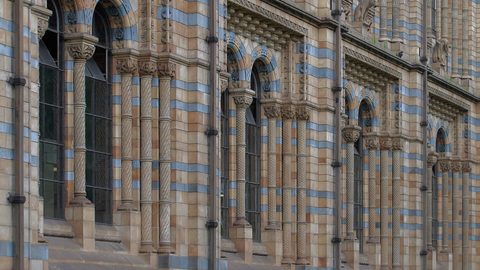 A Rainy London Day Built by Neighbourhood Not a List of Museums
Stay dry in South Kensington via the station tunnel between the V&A and Natural History Museum, or spend the day in Clerkenwell from the Barbican to Exmouth Market.
A Rainy London Day Built by Neighbourhood Not a List of Museums
Stay dry in South Kensington via the station tunnel between the V&A and Natural History Museum, or spend the day in Clerkenwell from the Barbican to Exmouth Market.
-
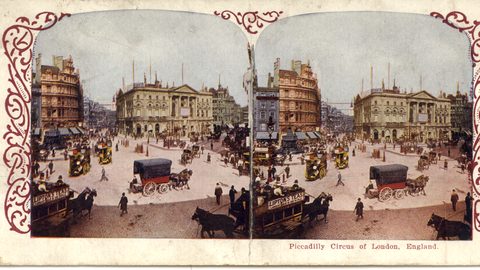 Piccadilly Without Spending the Day in Shops
Visit the Royal Academy, browse Hatchards bookshop, walk the Burlington Arcade, and book afternoon tea at The Wolseley—no Regent Street shopping required.
Piccadilly Without Spending the Day in Shops
Visit the Royal Academy, browse Hatchards bookshop, walk the Burlington Arcade, and book afternoon tea at The Wolseley—no Regent Street shopping required.
-
 Hampstead Heath and the Village A London Day That Needs Decent Weather
Climb Parliament Hill for the skyline view, swim in the mixed pond, and retreat to Kenwood House if the weather turns—all from Hampstead station.
Hampstead Heath and the Village A London Day That Needs Decent Weather
Climb Parliament Hill for the skyline view, swim in the mixed pond, and retreat to Kenwood House if the weather turns—all from Hampstead station.
-
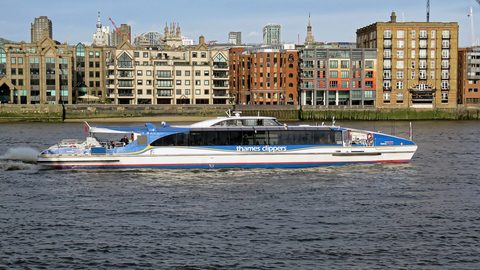 Thames Boat or Tube When the Slow Route Earns Its Fare
The Uber Boat beats the Tube on three specific Thames journeys: Bankside to Greenwich, Westminster to Tower Pier, and Blackfriars to Canary Wharf.
Thames Boat or Tube When the Slow Route Earns Its Fare
The Uber Boat beats the Tube on three specific Thames journeys: Bankside to Greenwich, Westminster to Tower Pier, and Blackfriars to Canary Wharf.
-
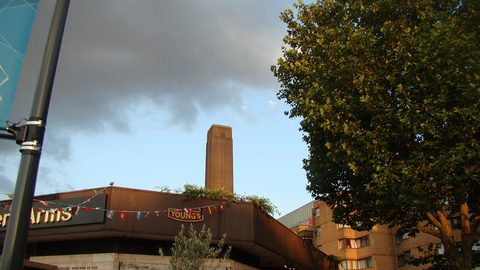 A South Bank Walk That Is Worth Your Time Not an Attraction Checklist
Start at Southwark Bridge, move through Bankside and the Tate Modern's Turbine Hall, then reach Borough Market before the 11:30am lunch crush.
A South Bank Walk That Is Worth Your Time Not an Attraction Checklist
Start at Southwark Bridge, move through Bankside and the Tate Modern's Turbine Hall, then reach Borough Market before the 11:30am lunch crush.
-
 SIMs, eSIMs and Staying Connected on Long-Distance Walking Routes
Honest look at mobile connectivity on long-distance walking routes. Real costs of local SIMs vs eSIMs, rural coverage gaps, and activation headaches in border zones.
SIMs, eSIMs and Staying Connected on Long-Distance Walking Routes
Honest look at mobile connectivity on long-distance walking routes. Real costs of local SIMs vs eSIMs, rural coverage gaps, and activation headaches in border zones.